Parsa National Park

Trip Overview
Parsa National Park, located in the south-central part of Nepal, offers a serene and enriching escape into the heart of nature. Spanning 637 square kilometers, the park was initially established as a wildlife reserve in 1984 and later upgraded to national park status in 2017. Its lush landscapes featuring Sal forests, grasslands and riverine forests provide a diverse habitat for an array of wildlife, making it a captivating destination for nature enthusiasts.
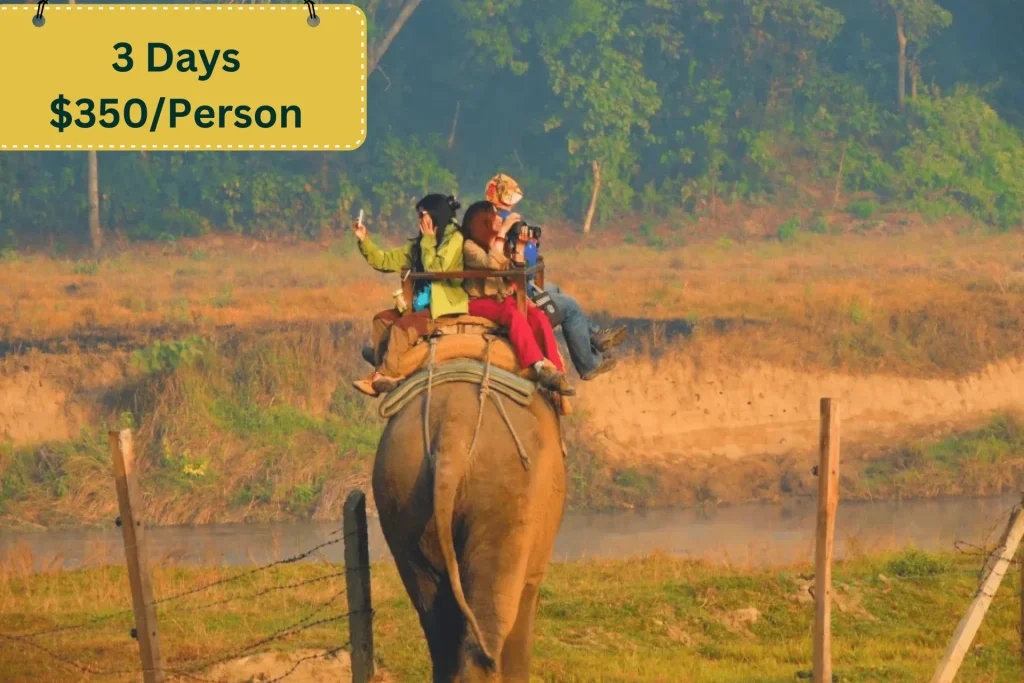
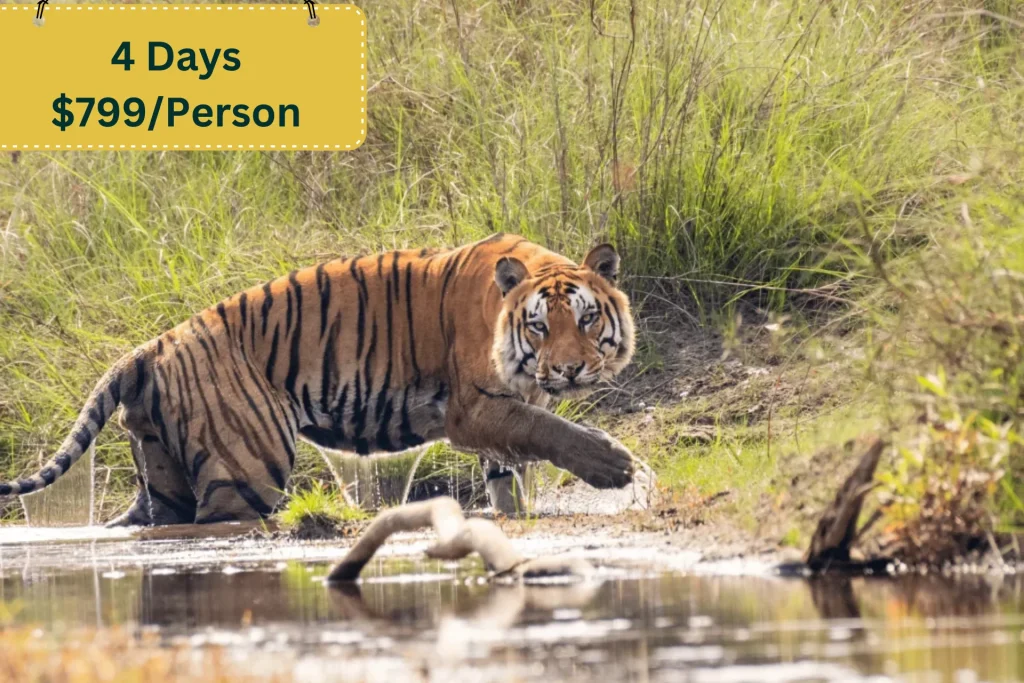
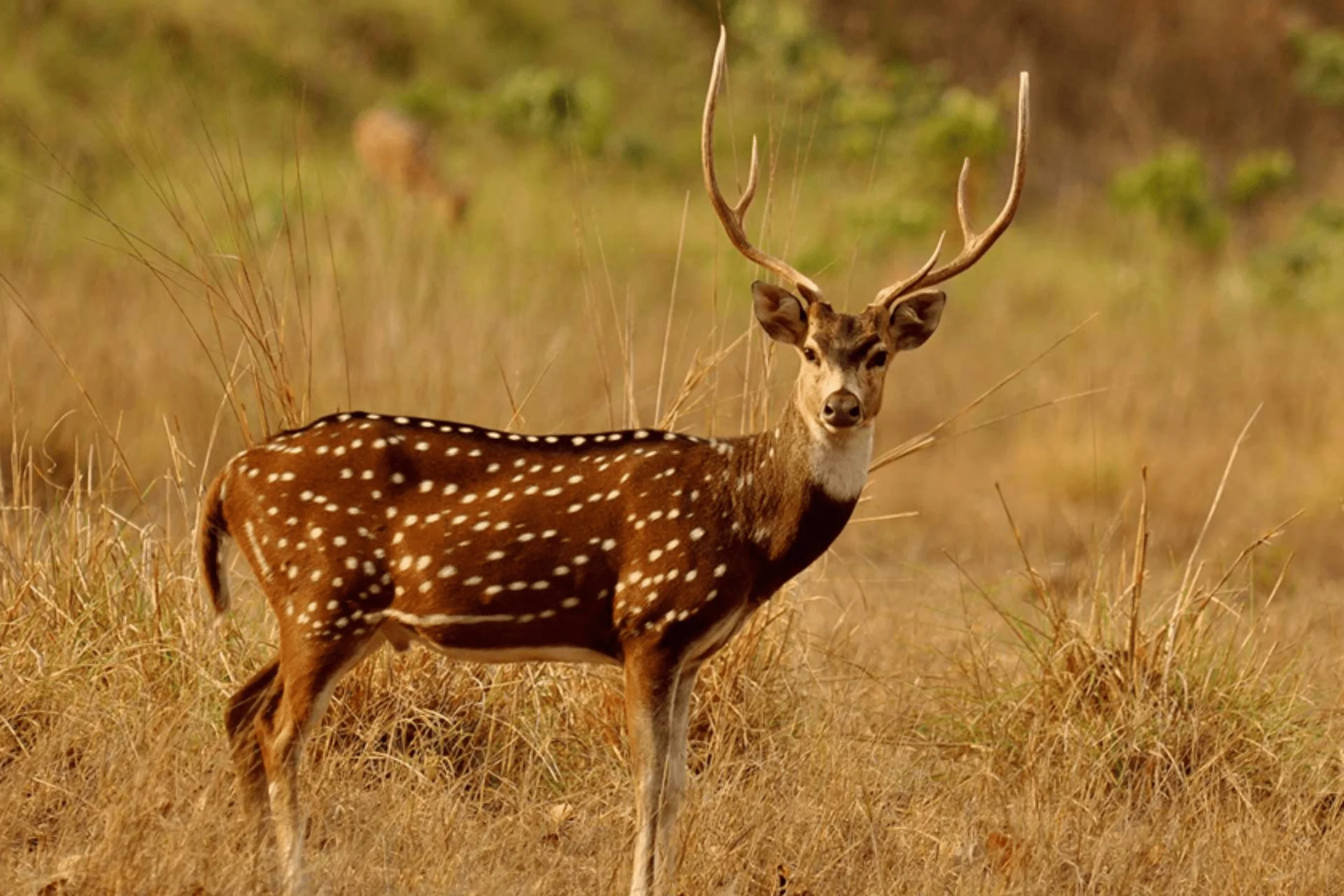
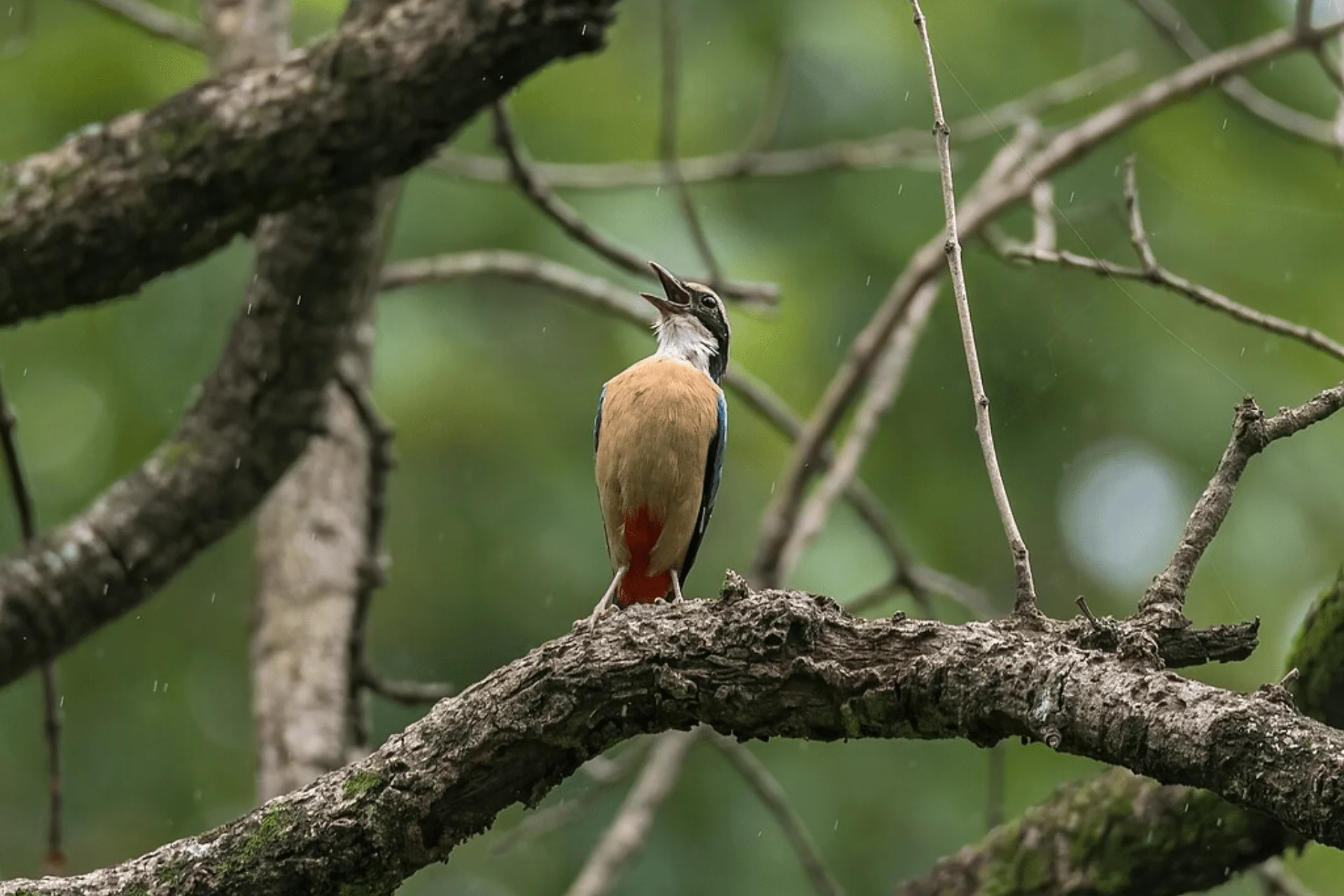
The journey to Parsa National Park typically begins with a flight to Simara or Bharatpur Airport, followed by a scenic drive through the Terai region. As you approach the park, the landscape transforms into dense forests and open grasslands, setting the stage for an exciting wildlife adventure. Upon arrival, visitors are welcomed with the opportunity to embark on guided jeep safaris which offer the best chance to spot the park’s famed Bengal tigers as well as elephants, leopards, sloth bears and various species of deer.In addition to its impressive mammalian fauna, Parsa National Park is a paradise for birdwatchers. The park is home to over 500 species of birds including the great hornbill, giant hornbill and a variety of eagles and owls.
Beyond wildlife viewing, Parsa National Park offers a rich cultural experience. The park is surrounded by Tharu villages where visitors can immerse themselves in the local culture and traditions. The Tharu people, indigenous to the region, are known for their unique customs and deep connection to the land. Exploring Parsa National Park can be done through various activities including jeep safaris, guided nature walks and cultural tours. Accommodations near the park range from basic lodges to more luxurious resorts, ensuring a comfortable stay for all visitors. Whether you’re a wildlife enthusiast, bird lover, or simply seeking a peaceful retreat, Parsa National Park promises an unforgettable adventure in one of Nepal’s most pristine natural environments.
Highlights:
→ Biodiversity
→ Vegetation
→ Wildlife Safari
→ Bird Watching
→ Jungle Walks
→ Cultural Experience
→ Scenic Beauty
→ Accessibility
→ Camping and Picnicking
Cost Includes:
- Accommodation
- Meals
- Transportation
- Park Entrance Fees
- Guiding Service
Cost Excludes:
- Personal Equipments
- Travel Insurance
- Additional Snacks/Drinks
- Miscellaneous Personal Expenses
- Cost Due To Unforeseen Events
Guidelines/Information
Location: Parsa National Park is situated in the south-central part of Nepal, covering parts of Parsa, Makwanpur and Bara districts.
Area: The park spans approximately 637 square kilometers.
Established: Originally designated as a wildlife reserve in 1984 and upgraded to national park status in 2017.
Climate: The park experiences a tropical climate with hot summers, mild winters and a monsoon season from June to September.
Flora and Fauna: The park is home to diverse ecosystems including Sal forests, grasslands and riverine forests. It hosts Bengal tigers, elephants, leopards, sloth bears, deer species and over 500 bird species.
Permits: An entry permit is required to enter Parsa National Park. Permits can be obtained at the park’s entrance or through authorized tour operators.
ID Requirements: Carry a valid ID or passport for permit verification.
Stay with Your Group: Always stay with your group during safaris and guided walks.
Maintain Distance: Keep a safe distance from all wildlife. Do not attempt to feed or touch any animals.
Quiet Observation: Maintain silence or speak in low tones to avoid disturbing wildlife.
Follow Guide Instructions: Always follow the instructions given by your guides and park staff.
Clothing: Wear neutral-colored clothing to blend into the environment long-sleeved shirts, long pants and sturdy walking shoes.
Sun Protection: Bring a hat, sunglasses and sunscreen to protect against the sun.
Insect Repellent: Carry insect repellent to protect against mosquitoes and other insects.
Equipment: Binoculars and cameras (avoid using flash) for wildlife viewing and photography.
Hydration: Carry a reusable water bottle and stay hydrated.
First-Aid: Bring a basic first-aid kit and any necessary personal medications.
Travel Insurance: Ensure you have comprehensive travel insurance covering medical emergencies and evacuations.
Respect the Environment: Do not litter. Carry out all trash and dispose of it properly.
No Smoking: Smoking is prohibited within the park to prevent forest fires.
No Off-Road Driving: Stick to designated paths and trails to avoid disturbing the habitat.
Support Local Communities: Engage with and support the local Tharu community by purchasing local crafts and services.
Emergency Contacts: Note down emergency contact numbers provided by your guides and park authorities.
Best Time to Visit: October to April is the best time for wildlife viewing and pleasant weather. Avoid the monsoon season from June to September due to heavy rains and potential flooding.
Parsa National Park is located in the south-central part of Nepal, covering parts of Parsa, Makwanpur,and Bara districts.
The best time to visit Parsa National Park is from October to April, during the dry season when wildlife sightings are more frequent and the weather is pleasant. The park is closed during the monsoon season from June to September due to heavy rains and flooding.
You can reach Parsa National Park by taking a domestic flight from Kathmandu to Simara Airport or Bharatpur Airport. From there, it is a 1-2 hour drive to the park. Alternatively, you can drive from Kathmandu, which takes approximately 5-6 hours depending on road conditions.
The park is known for its diverse wildlife including Bengal tigers, elephants, leopards, sloth bears, various species of deer and over 500 species of birds. It’s also home to smaller mammals and reptiles.
Yes, there are accommodations available near Parsa National Park ranging from basic lodges to more luxurious resorts. It’s advisable to book in advance, especially during peak tourist seasons.
Yes, an entry permit is required to enter Parsa National Park. Permits can be obtained at the park’s entrance or through authorized tour operators. Carry a valid ID or passport for permit verification.
Popular activities include jeep safaris for wildlife viewing, guided nature walks to explore the park’s flora and fauna, birdwatching tours and cultural visits to nearby Tharu villages to learn about the local culture and traditions.
Yes, it is safe to visit Parsa National Park. However, it’s important to follow the guidelines provided by your guides and park authorities, maintain a safe distance from wildlife and stay with your group during activities.
Yes, photography is allowed in the park. However, avoid using flash as it can disturb wildlife. Respect wildlife and their habitats while taking photos.
By visiting Parsa National Park, you contribute to conservation efforts. Respect the environment, avoid littering, support local communities like the Tharu people who play a vital role in conservation and follow responsible tourism practices.
→ Domestic flight from Kathmandu to Simara Airport (approximately 20 minutes) or Bharatpur Airport (approximately 25 minutes).
→ Upon arrival, drive to Parsa National Park (1-2 hours). Check-in at your lodge or resort near the park.
→ Orientation about the park, its history and the wildlife you can expect to see.
→ Dinner at the lodge.
→ After breakfast, embark on a jeep safari. Early morning is prime time for spotting Bengal tigers, elephants and other wildlife.
→ Continue the safari, exploring the park’s diverse habitats including Sal forests and grasslands.
→ Return to the lodge for lunch and a brief rest.
→ Head out for a birdwatching tour. The park is home to over 500 bird species, including the great hornbill and various eagles and owls.
→ Return to the lodge. Share your experiences with fellow travelers and enjoy dinner.
→ After breakfast, take a guided nature walk. This offers a closer look at the park’s flora and smaller fauna. Guide will provide detailed insights into the local ecosystems.
→ Visit the park’s wetlands and riverine forests to observe unique ecosystems and their inhabitants.
→ Return to the lodge for lunch. In the afternoon, visit a nearby Tharu village to learn about the local culture.
→ Enjoy a cultural performance by the Tharu community, featuring traditional music and dance. Return to the lodge for dinner.
→ Take an early morning jeep safari for a final chance to spot wildlife, especially any species you may have missed earlier.
→ Return to the lodge, have breakfast and prepare for departure.
→ Transfer back to Simara or Bharatpur airport for your flight to Kathmandu.
→ Arrive in Kathmandu and transfer to your hotel. You can spend the evening exploring the city’s attractions or simply relaxing.
Trip Start & End | Kathmandu – Kathmandu | Meals | Breakfast, Lunch and Dinner |
Maximum Altitude | 435m-950m | Difficulty Level | Easy |
Transportation | Flight, Car, Jeep or Bus | Best season | October-April |
Accommodation | Hotels, Lodges, Resorts | Trip Area | Parsa, Makawanpur And Bara District |
Related Treks