Chitwan National Park

Trip Overview
Chitwan National Park, nestled in the subtropical inner Terai lowlands of south-central Nepal, is a treasure trove of biodiversity and a haven for nature enthusiasts. Spanning an area of 932 square kilometers, it was established in 1973 and later designated a UNESCO World Heritage Site in 1984. The park’s landscape is a mosaic of dense jungles, grasslands and riverine forests providing a rich habitat for a variety of wildlife species, making it one of the premier destinations for wildlife safaris in Asia.
A trip to Chitwan National Park offers a range of exciting activities designed to immerse visitors in its natural splendor. Wildlife safaris, whether by jeep or on the back of an elephant are among the most popular attractions. The park is also home to a significant population of bird species. In addition to its wildlife, Chitwan National Park offers cultural experiences that highlight the unique traditions of the Tharu people, the indigenous inhabitants of the region. Water-based activities are another highlight of a trip to Chitwan. Canoeing on the Rapti or Narayani rivers provides a serene way to observe aquatic wildlife such as gharials and mugger crocodiles as well as a variety of birds that frequent the riverbanks. For those interested in conservation, a visit to the Elephant Breeding Center is a must.
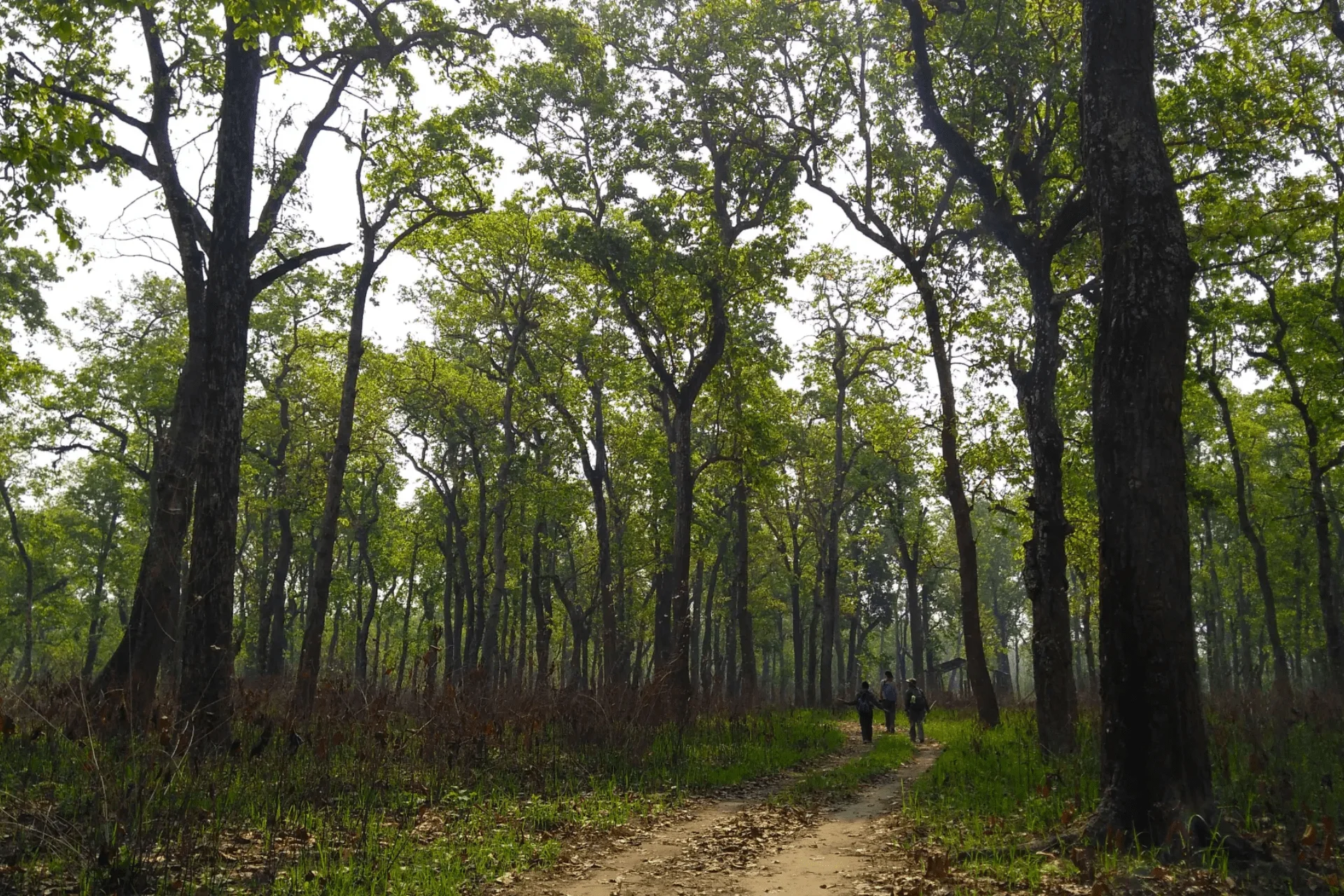
One of the most enchanting experiences in Chitwan National Park is the jungle walk, where guided tours take visitors deep into the forest to explore the park’s flora and fauna up close. Additionally, the park’s Bishazari Tal, also known as Twenty Thousand Lakes, provides a tranquil spot for nature lovers to enjoy the scenic beauty and abundant birdlife. As the day winds down, the park offers stunning sunset views over the Rapti River providing a picturesque conclusion to a day of adventure and exploration. With its blend of thrilling wildlife encounters, cultural experiences and natural beauty a trip to Chitwan National Park promises a memorable and enriching experience for all who visit.
Highlights
→ Jeep Safari
→ Elephant Safari
→ Bird Watching
→ Canoeing
→ Tharu Culture
→ Elephant Breeding Center
→ Jungle Walk
→ Bishazari Tal (Twenty Thousand Lakes)
→ Sunset Views
Cost Includes:
- Accommodation
- Meals
- Transportation
- Park Entrance Fees
- Guiding Service
Cost Excludes:
- Personal Equipments
- Travel Insurance
- Additional Snacks/Drinks
- Miscellaneous Personal Expenses
- Cost Due To Unforeseen Events
Guidelines/Information
Permits and Entry Fees
- Visitors must obtain a park entry permit.
- Fees vary for Nepali citizens, SAARC nationals and other foreigners.
- Permits can be obtained at the park’s entry points or through authorized travel agencies.
Best Time to Visit
October to March: Cool and dry, ideal for wildlife viewing.
April to June: Hot, but good for viewing birds and other wildlife.
July to September: Monsoon season, the park may be less accessible due to heavy rains and flooding.
Wildlife Viewing Guidelines
- Maintain a safe distance from animals.
- Avoid making loud noises or sudden movements.
- Do not feed or disturb the wildlife.
- Follow the instructions of guides and park authorities.
Environmental Responsibility
- Do not litter; take all trash with you.
- Avoid using plastic as much as possible.
- Use biodegradable products to minimize environmental impact.
Safety Precautions
- Wear appropriate clothing and footwear for jungle activities.
- Use insect repellent to protect against mosquito bites.
- Carry sufficient water and sun protection.
- Be aware of leeches during the monsoon season.
Respect Local Culture
- Dress modestly, especially when visiting Tharu villages.
- Seek permission before taking photos of local people.
- Learn and respect local customs and traditions.
Accommodations
- Various options are available ranging from luxury lodges to budget-friendly guesthouses.
- Staying within the park or in nearby Sauraha town is recommended for easy access to activities and tours.
The best time to visit is from October to March, when the weather is cool and dry. This period is ideal for wildlife viewing as animals gather around water sources. The months of April and May are warmer but also good for wildlife spotting, while the monsoon season (June to September) sees heavy rainfall, making some areas inaccessible.
You can reach Chitwan by a short domestic flight from Kathmandu to Bharatpur Airport, followed by a drive to the park. Alternatively, you can take a tourist bus or hire a private vehicle for a scenic drive from Kathmandu which takes about 5-7 hours.
Accommodations range from budget lodges and guesthouses to mid-range hotels and luxury resorts. Most accommodations are situated in Sauraha, near the park’s main entrance and offer various amenities depending on the price range.
Pack light, breathable clothing in neutral colors to blend with the environment and avoid startling wildlife. Include comfortable walking shoes, a hat, sunglasses, sunscreen, insect repellent, a water bottle, binoculars and a good camera. For winter months, bring warm clothing as mornings and evenings can be chilly.
Consult with a travel doctor before your trip for vaccinations and advice on malaria prophylaxis. Carry a basic first aid kit and any personal medications. Use insect repellent to protect against mosquito bites.
Yes, it is safe, but it’s important to follow the instructions of your guides, especially during jungle activities. Do not wander off alone, stay inside the designated areas and be cautious of wildlife.
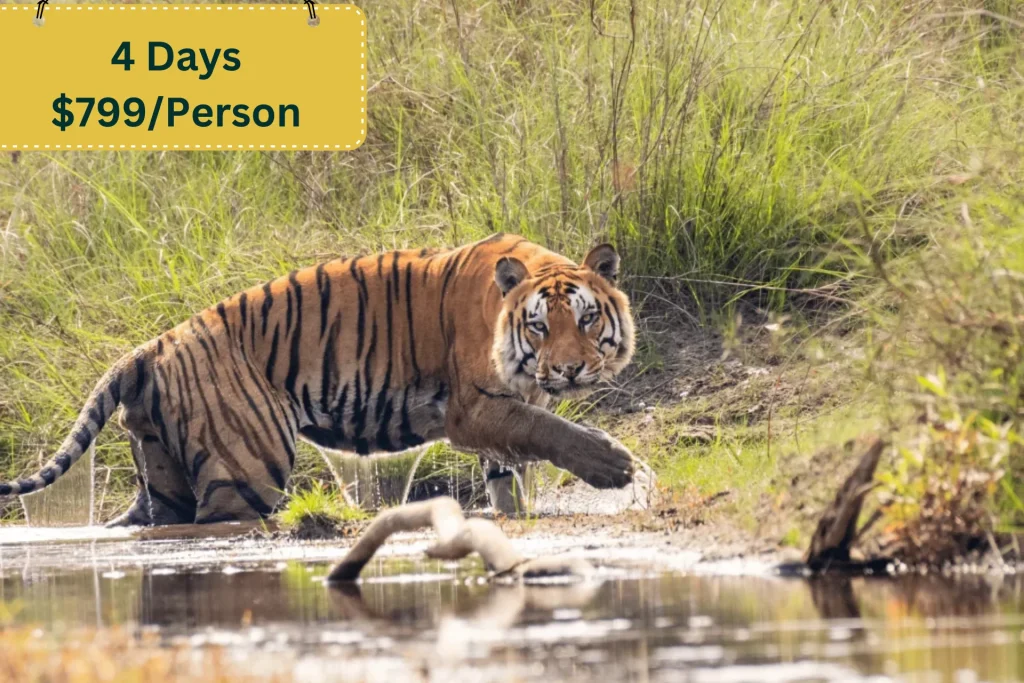
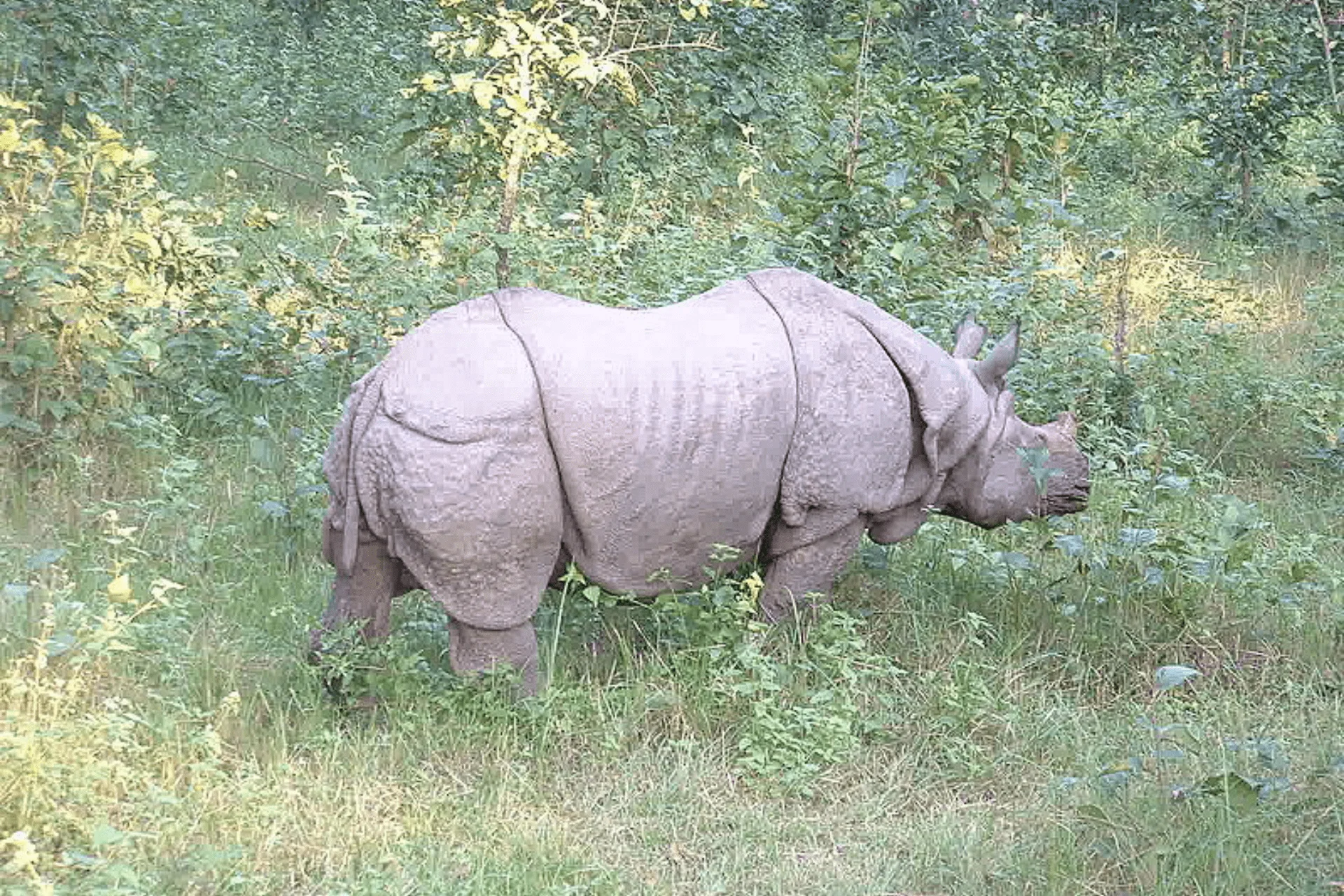
The park is home to diverse wildlife including the Bengal tiger, one-horned rhinoceros, leopard, sloth bear, wild elephant, gaur, various species of deer and over 500 species of birds. Aquatic species like gharials and mugger crocodiles can be seen in the rivers.
Activities include jeep safaris, elephant safaris, jungle walks, canoe rides, bird watching, visiting the Elephant Breeding Center, exploring Tharu villages and enjoying Tharu cultural performances.
Yes, visitors must follow park regulations to ensure safety and conservation. These include not disturbing the wildlife, sticking to designated paths and avoiding plastic waste. Flash photography is usually prohibited to avoid disturbing animals.
Visitors can engage in cultural experiences like visiting Tharu villages to learn about their traditions and lifestyle, participating in traditional Tharu dance performances and exploring local markets.
Follow the instructions of your guides, stay on designated trails, do not feed or disturb the wildlife, carry out all your trash and respect the natural habitat. Adhering to these rules helps in conserving the park’s environment and ensuring the safety of both visitors and wildlife.
→ Arrive at Bharatpur Airport or drive from Kathmandu to Chitwan.
→ Check-in at your lodge or hotel in Chitwan.
→ Village Tour and Tharu Culture
→ Visit the Tharu Museum to learn about the history and culture of the Tharu people.
→ Tharu Cultural Program
→ Wake up early and enjoy tea or coffee.
→ Head out for an elephant safari or jeep safari through the park. Spot wildlife such as one-horned rhinoceroses, Bengal tigers, deer and various bird species.
→ Visit the Elephant Breeding Center to learn about the conservation efforts and see baby elephants.
→ Head to the Rapti River for a relaxing evening. Enjoy the stunning sunset views over the river.
→ Wake up early and join a bird-watching tour. With over 500 species of birds, Chitwan is a bird watcher’s paradise. Spot species like the giant hornbill, kingfishers and egrets.
→ Take a trip to Bishazari Tal, also known as Twenty Thousand Lakes. This area is great for more bird watching and enjoying the serene environment.
→ Return to the lodge, pack your belongings and check out.
→ Depending on your departure schedule, enjoy some free time for last-minute exploration or relaxation.
→ Transfer to Bharatpur Airport for flight back to Kathmandu or start your drive back.
Trip Start & End | Kathmandu – Kathmandu | Meals | Breakfast, Lunch and Dinner |
Maximum Altitude | 100-815m | Difficulty Level | Easy |
Transportation | Flight, Car, Jeep or Bus | Best season | October-March |
Accommodation | Hotels, Lodges, Resorts | Trip Area | Chitwan District |
Related Trips