Bardiya National Park
Trip Overview
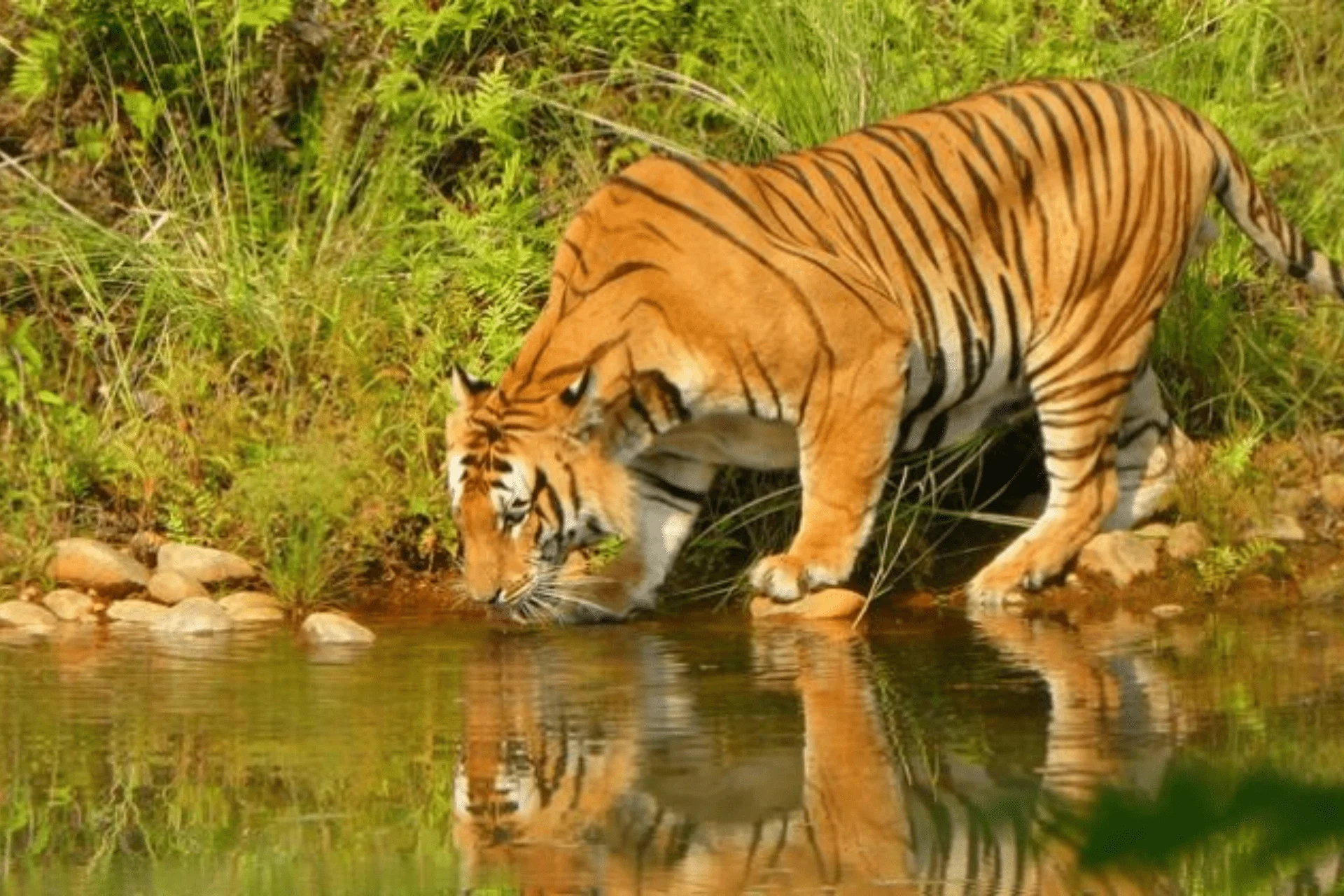
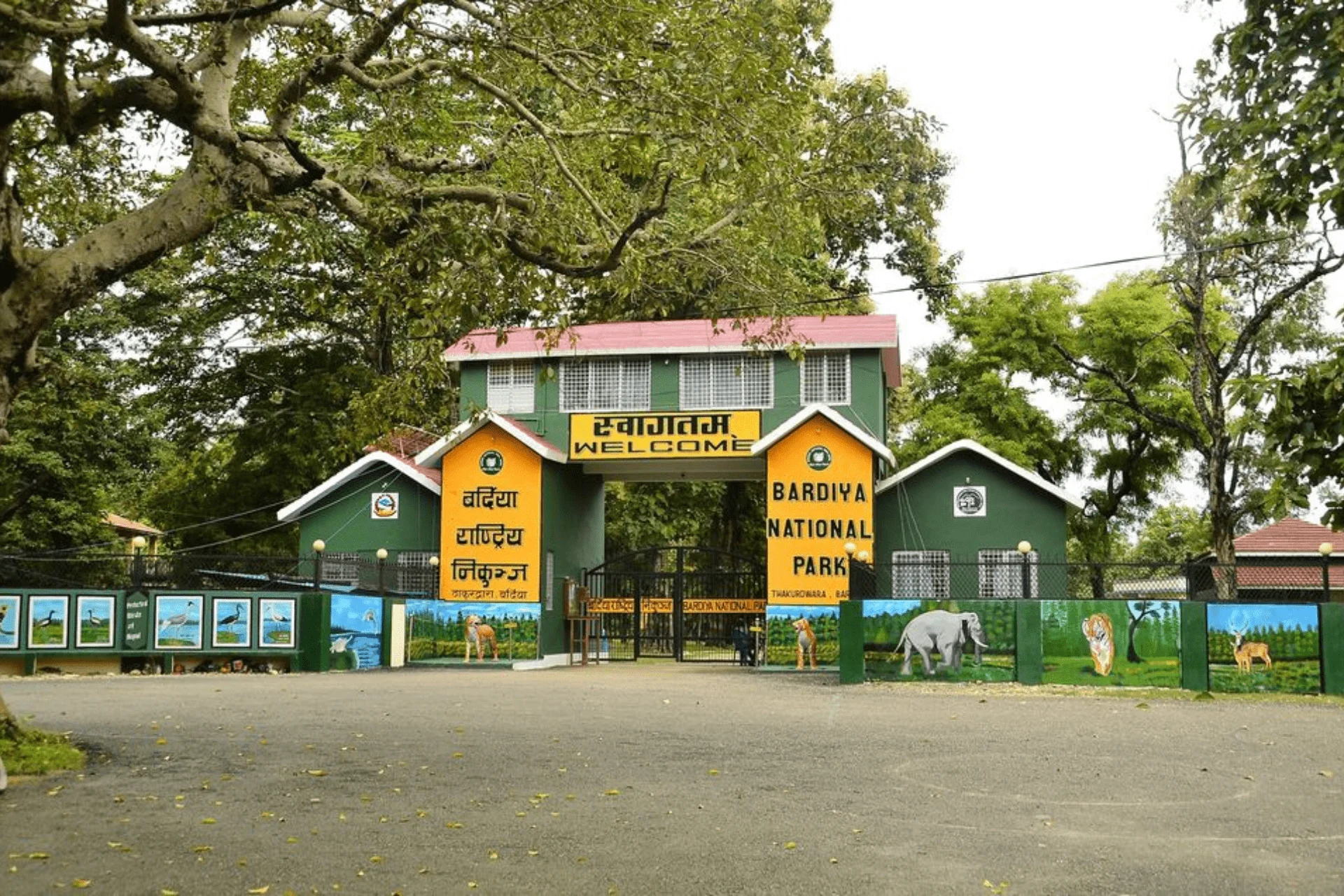
Bardiya National Park, located in the remote western Terai region of Nepal, is a pristine sanctuary that offers a unique and immersive wildlife experience. Established in 1988 and covering an area of 968 square kilometers, it is one of the largest and least disturbed national parks in the country. The park’s diverse ecosystems include dense Sal forests, expansive grasslands and the winding Karnali River providing a haven for a wide range of flora and fauna. Bardiya is particularly renowned for its significant populations of Bengal tigers and one-horned rhinoceroses.
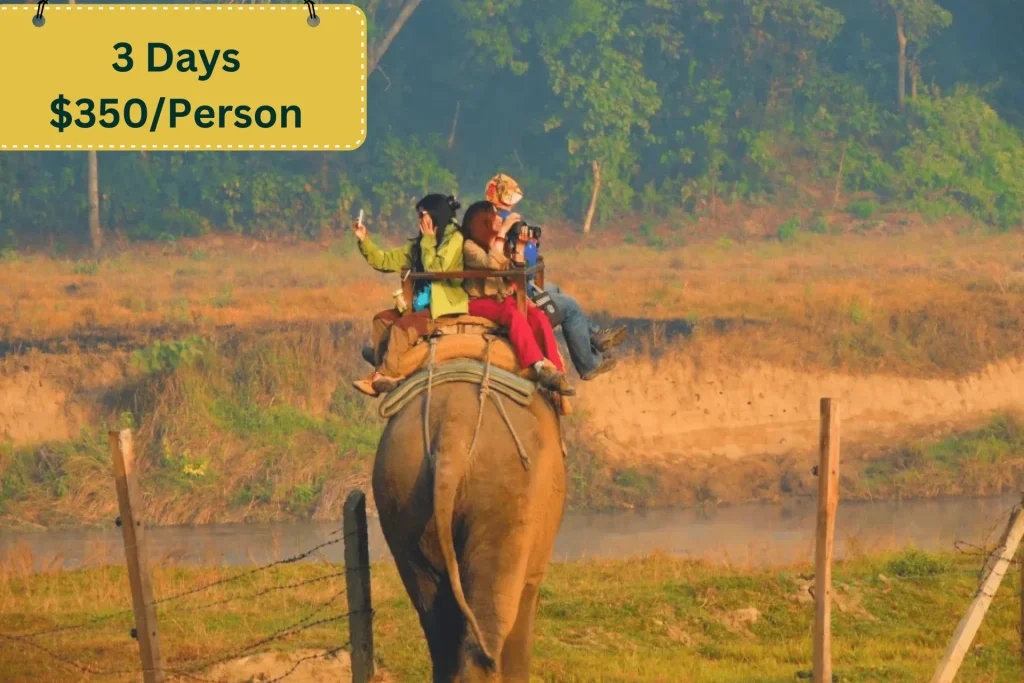
A trip to Bardiya National Park begins with a journey through the Terai plains, a landscape characterized by lush vegetation and agricultural fields. The park’s remoteness means fewer visitors, allowing for a more secluded and authentic experience. The adventure in Bardiya includes a variety of guided safaris that cater to different interests. For a more intimate experience, walking safaris provide an opportunity to explore the park on foot, guided by experienced guides. Canoeing along the tranquil waters of the Karnali River allows visitors to observe aquatic species such as gharials, mugger crocodiles and even the endangered Gangetic dolphin.
Bird watching is another highlight of Bardiya National Park, which boasts over 400 species of birds. Cultural immersion is an integral part of the Bardiya experience. The indigenous Tharu people, who have lived in harmony with the forest for centuries, offer visitors a glimpse into their traditional way of life. Bardiya National Park is not only about wildlife and adventure but also about conservation and sustainability.A trip to Bardiya National Park is a journey into one of Nepal’s most untouched natural realms.
Highlights:
→ Jeep Safari
→ Walking Safari
→ Bengal Tiger Sightings
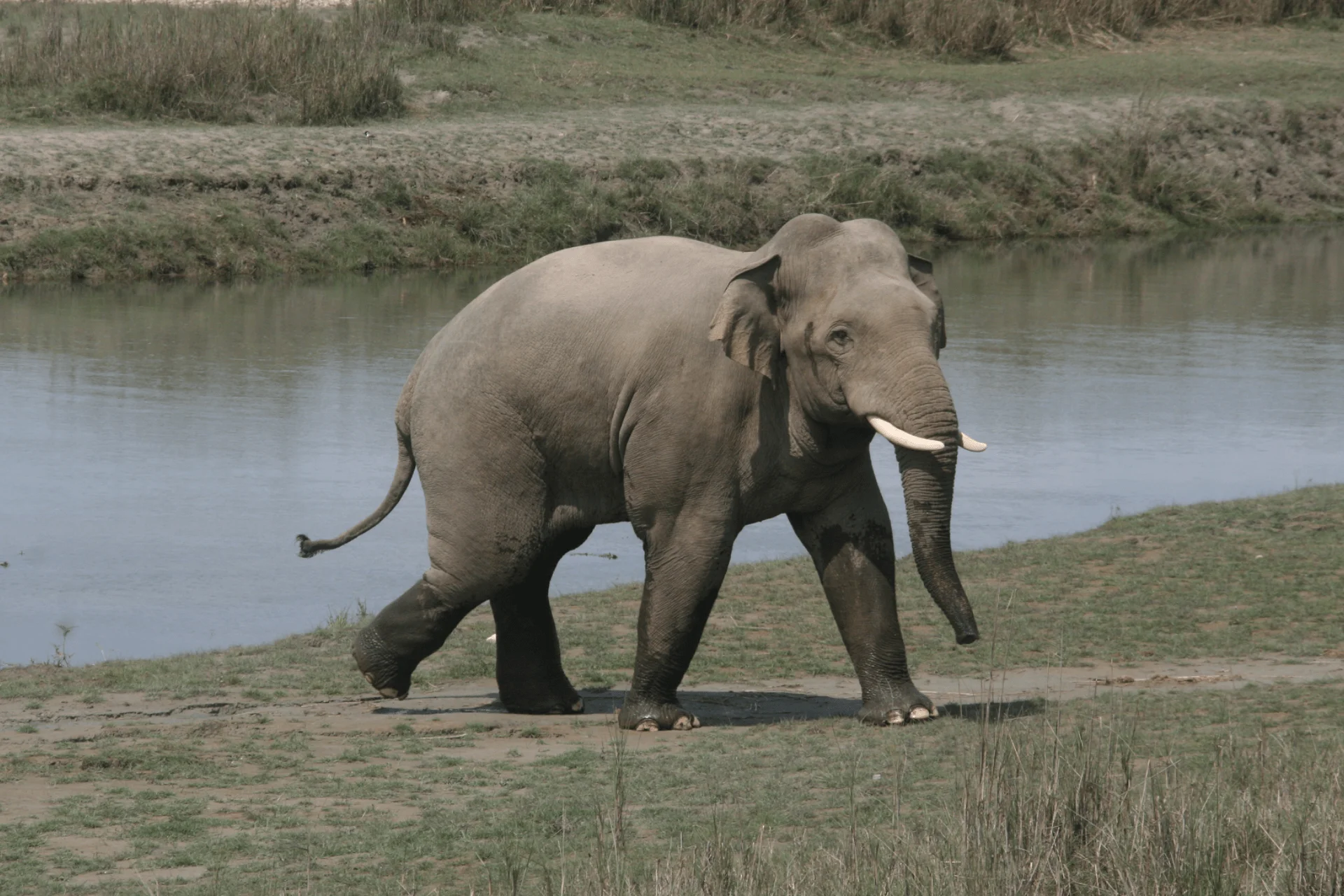
→ Elephant Tracking
→ Bird Watching
→ River Activities
→ Tharu Culture
→ Bardiya’s Pristine Wilderness
→ Rhinoceros Spotting
→ Local Cuisine
Cost Includes:
- Accommodation
- Meals
- Transportation
- Park Entrance Fees
- Guiding Service
Cost Excludes:
- Personal Equipments
- Travel Insurance
- Additional Snacks/Drinks
- Miscellaneous Personal Expenses
- Cost Due To Unforeseen Events
Guidelines/Information
Location: Bardia District, Lumbini Province, western Nepal.
Area: Approximately 968 square kilometers.
Established: 1988.
Permits and Entry Fees
- Visitors must obtain a park entry permit.
- Fees vary for Nepali citizens, SAARC nationals and other foreigners.
- Permits can be obtained at the park’s entry points or through authorized travel agencies.
Best Time to Visit
October to March: Cool and dry, ideal for wildlife viewing.
April to June: Hot, but good for viewing birds and other wildlife.
July to September: Monsoon season, the park may be less accessible due to heavy rains and flooding.
Wildlife Viewing Guidelines
- Maintain a safe distance from animals.
- Avoid making loud noises or sudden movements.
- Do not feed or disturb the wildlife.
- Follow the instructions of guides and park authorities.
Environmental Responsibility
- Do not litter; take all trash with you.
- Avoid using plastic as much as possible.
- Use biodegradable products to minimize environmental impact.
Safety Precautions
- Wear appropriate clothing and footwear for jungle activities.
- Use insect repellent to protect against mosquito bites.
- Carry sufficient water and sun protection.
- Be aware of leeches during the monsoon season.
Respect Local Culture
- Dress modestly, especially when visiting Tharu villages.
- Seek permission before taking photos of local people.
- Learn and respect local customs and traditions.
Accommodations
- Various options are available ranging from luxury lodges to budget-friendly guesthouses.
- Staying within the park or in nearby Thakurdwara village is recommended for easy access to activities and tours.
The best time to visit is from October to April, when the weather is cool and dry, making wildlife viewing more favorable. The months of February to April are particularly good for spotting tigers as the dry season makes wildlife more visible near water sources.
You can reach Bardiya by flying from Kathmandu to Nepalgunj Airport, followed by a 2-3 hour drive to the park. Alternatively, you can take a long-distance bus or hire a private vehicle for a scenic drive from Kathmandu which takes about 12-14 hours.
Accommodations range from budget lodges and guesthouses to mid-range hotels and luxury eco-resorts. Most are located in or near Thakurdwara, the gateway village to the park.
Pack light, breathable clothing in neutral colors to blend with the environment and avoid startling wildlife. Include comfortable walking shoes, a hat, sunglasses, sunscreen, insect repellent, a water bottle, binoculars and a good camera. For winter months, bring warm clothing as mornings and evenings can be chilly.
Consult with a travel doctor before your trip for vaccinations and advice on malaria prophylaxis. Carry a basic first aid kit and any personal medications. Use insect repellent to protect against mosquito bites.
Yes, it is safe, but it’s important to follow the instructions of your guides, especially during jungle activities. Do not wander off alone, stay inside the designated areas and be cautious of wildlife.
Bardiya is home to Bengal tigers, one-horned rhinoceroses, elephants, leopards, swamp deer, wild boars and various species of birds and reptiles. Aquatic species like gharials, mugger crocodiles and Gangetic dolphins can be seen in the rivers.
Activities include jeep safaris, walking safaris, bird watching, canoe rides on the Karnali River, visits to the Elephant Breeding Center and exploring Tharu villages and cultural programs.
Yes, visitors must follow park regulations to ensure safety and conservation. These include not disturbing the wildlife, sticking to designated paths and avoiding plastic waste. Flash photography is usually prohibited to avoid disturbing animals.
Visitors can engage in cultural experiences like visiting Tharu villages to learn about their traditions and lifestyle, participating in traditional Tharu dance performances and exploring local markets.
Follow the instructions of your guides, stay on designated trails, do not feed or disturb the wildlife, carry out all your trash and respect the natural habitat. Adhering to these rules helps in conserving the park’s environment and ensuring the safety of both visitors and wildlife.
→ Arrive at Nepalgunj Airport then drive 2-3 hour to Bardiya National Park.
→ Check-in at your lodge or eco-resort.
→ Orientation and Village Tour
→ Take a guided tour of a nearby Tharu village. Learn about the Tharu people’s traditional way of life, visit their homes and see their unique mud and thatch houses.
→ Tharu Cultural Program
→ Wake up early and enjoy a hearty breakfast.
→ Embark on a jeep safari through the park. Your guide will help you spot various wildlife including Bengal tigers, one-horned rhinoceroses, elephants, deer and numerous bird species.
→ Return to the lodge for lunch.
→ Take a serene canoe ride along the Karnali River. Look for aquatic wildlife such as gharials, mugger crocodiles and various birds along the riverbanks.
→ Dinner at the lodge.
→ After breakfast, head out for an elephant tracking experience. Walk with guides to find and observe wild elephants in their natural habitat.
→ Continue your morning with a bird-watching tour. Bardiya is home to over 400 species of birds including the Bengal florican, Sarus crane and many others.
→ Return to the lodge for lunch.
→ Head to a scenic spot along the Karnali River to enjoy a breathtaking sunset.
→ After an early breakfast, participate in a conservation tour. Learn about the various conservation projects in Bardiya, including anti-poaching efforts and wildlife monitoring programs.
→ Return to the lodge for lunch.
→ Pack your belongings and check out.
→ Drive back to Nepalgunj Airport for your flight back to Kathmandu.
Trip Start & End | Kathmandu – Kathmandu | Meals | Breakfast, Lunch and Dinner |
Maximum Altitude | 150-1500m | Difficulty Level | Easy |
Transportation | Flight, Car, Jeep or Bus | Best season | October-March |
Accommodation | Hotels, Lodges, Homestay | Trip Area | Western Terai Region of Nepal |
Related Trips