Dhorpatan Hunting Reserve
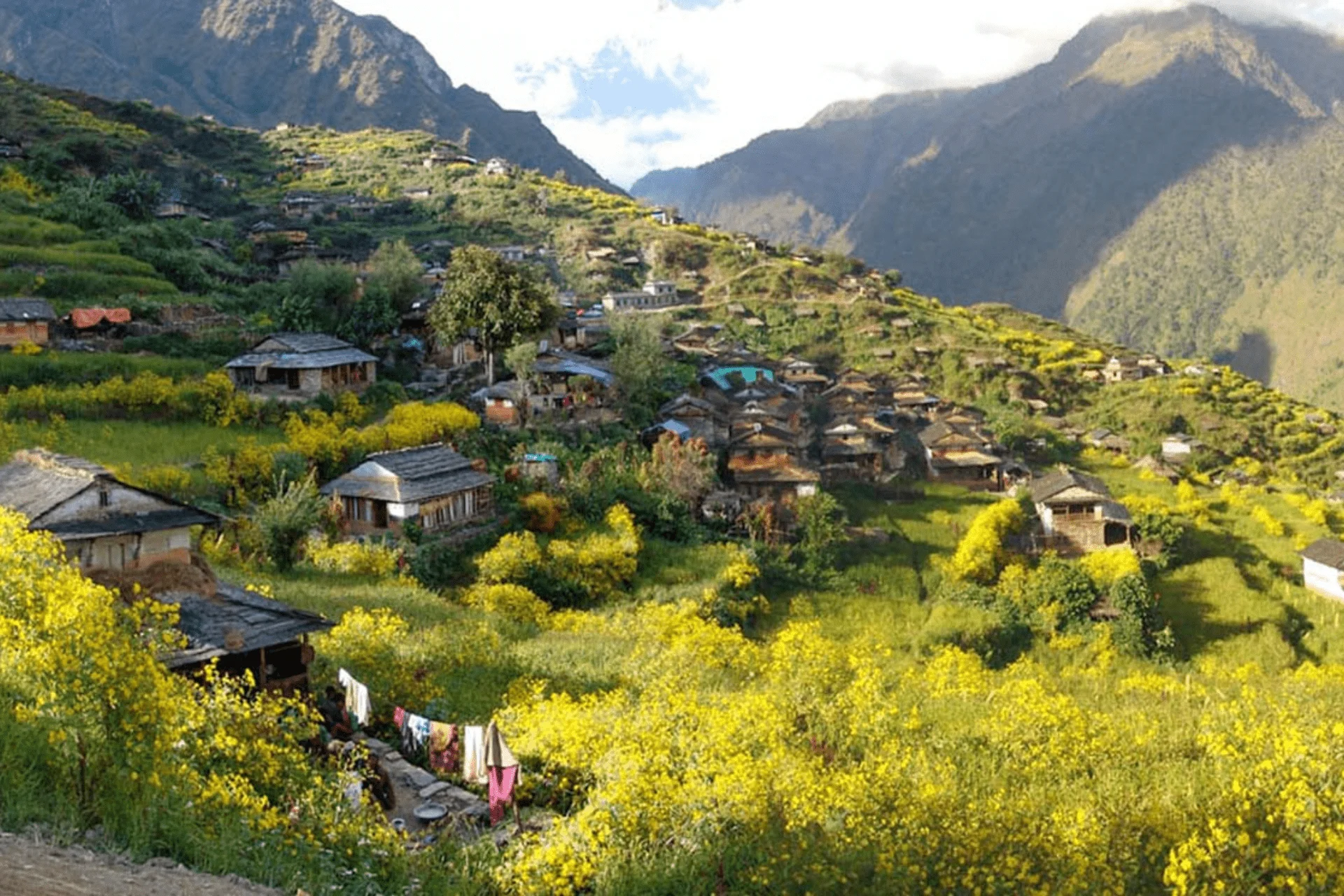
Trip Overview
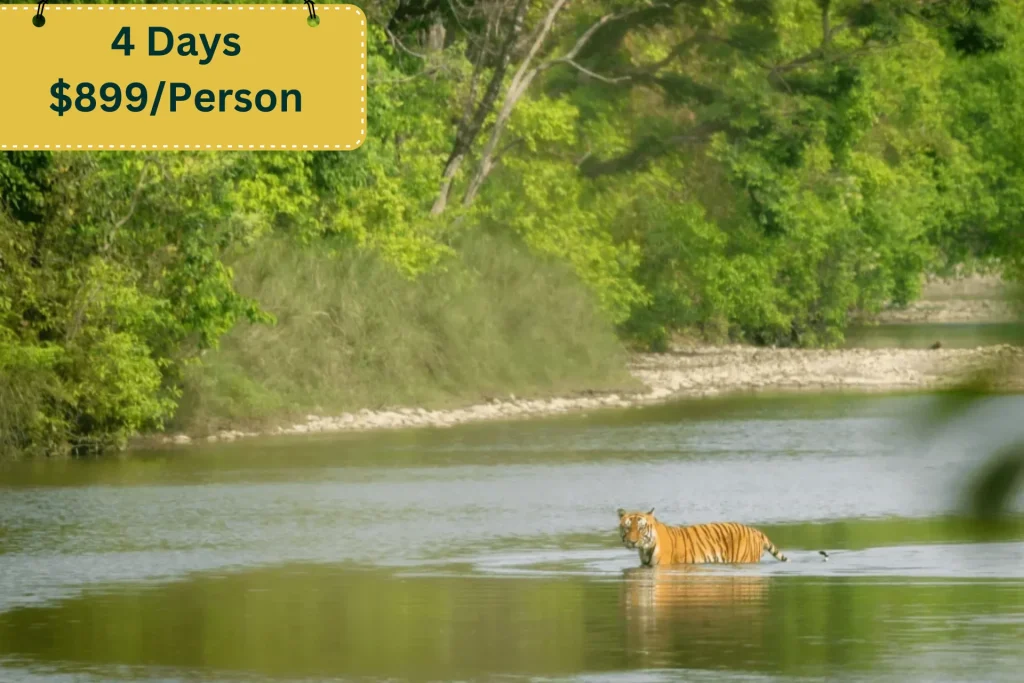
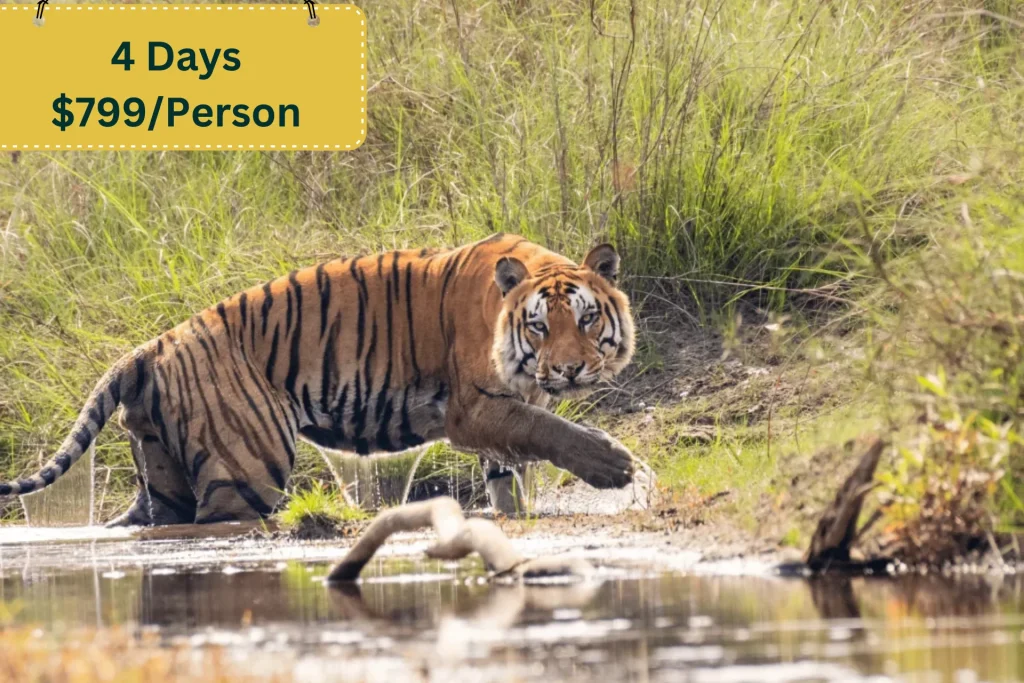
Dhorpatan Hunting Reserve, nestled in the western Himalayas of Nepal, offers a unique and enriching experience for travelers seeking a blend of wildlife exploration, cultural immersion and stunning natural landscapes. Spanning over 1,325 square kilometers across Myagdi, Baglung and Rukum districts, this reserve stands out for its conservation efforts and controlled hunting practices which support local communities while preserving biodiversity.
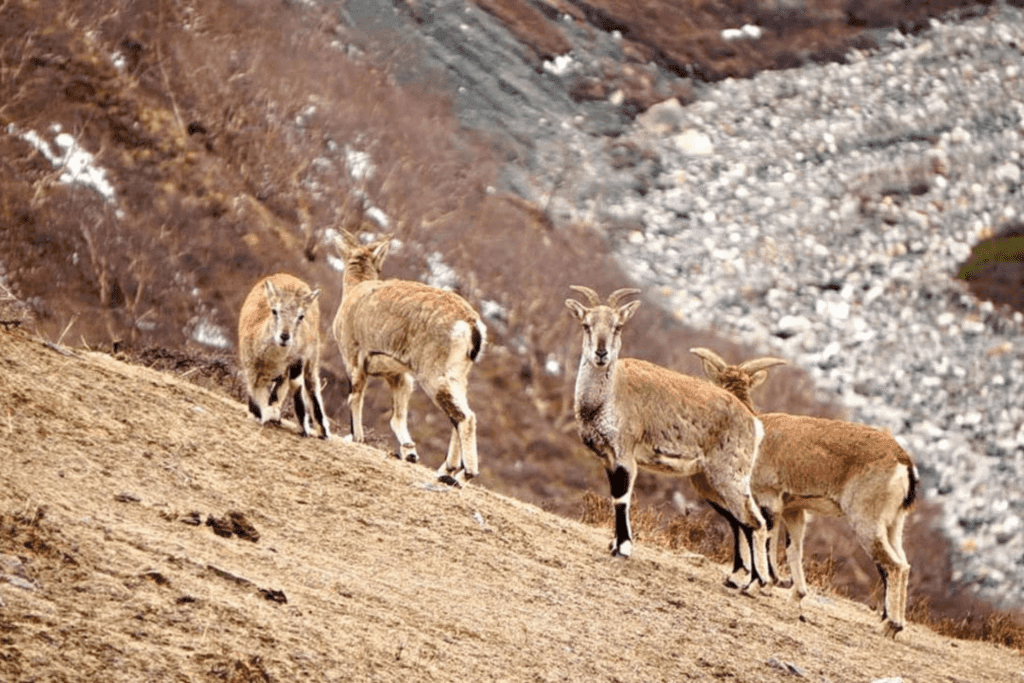
Journey begins with a scenic drive from Kathmandu to Beni, followed by a picturesque road trip through rural Nepal to reach Dhorpatan. Upon arrival, settle into your chosen accommodation, ranging from cozy lodges to tented camps, offering a peaceful retreat amidst the Himalayan wilderness. Attend an orientation session to understand the reserve’s conservation principles, hunting regulations and the diverse wildlife that call this area home.Start your day with an exhilarating wildlife safari, guided by experienced naturalists. Keep your eyes peeled for iconic species like Himalayan blue sheep (bharal), Himalayan tahr and if lucky, spot elusive predators such as snow leopards and Himalayan black bears.Visit nearby villages inhabited by Gurung, Thakali and Tibetan communities. Engage with locals, learn about their traditional practices.
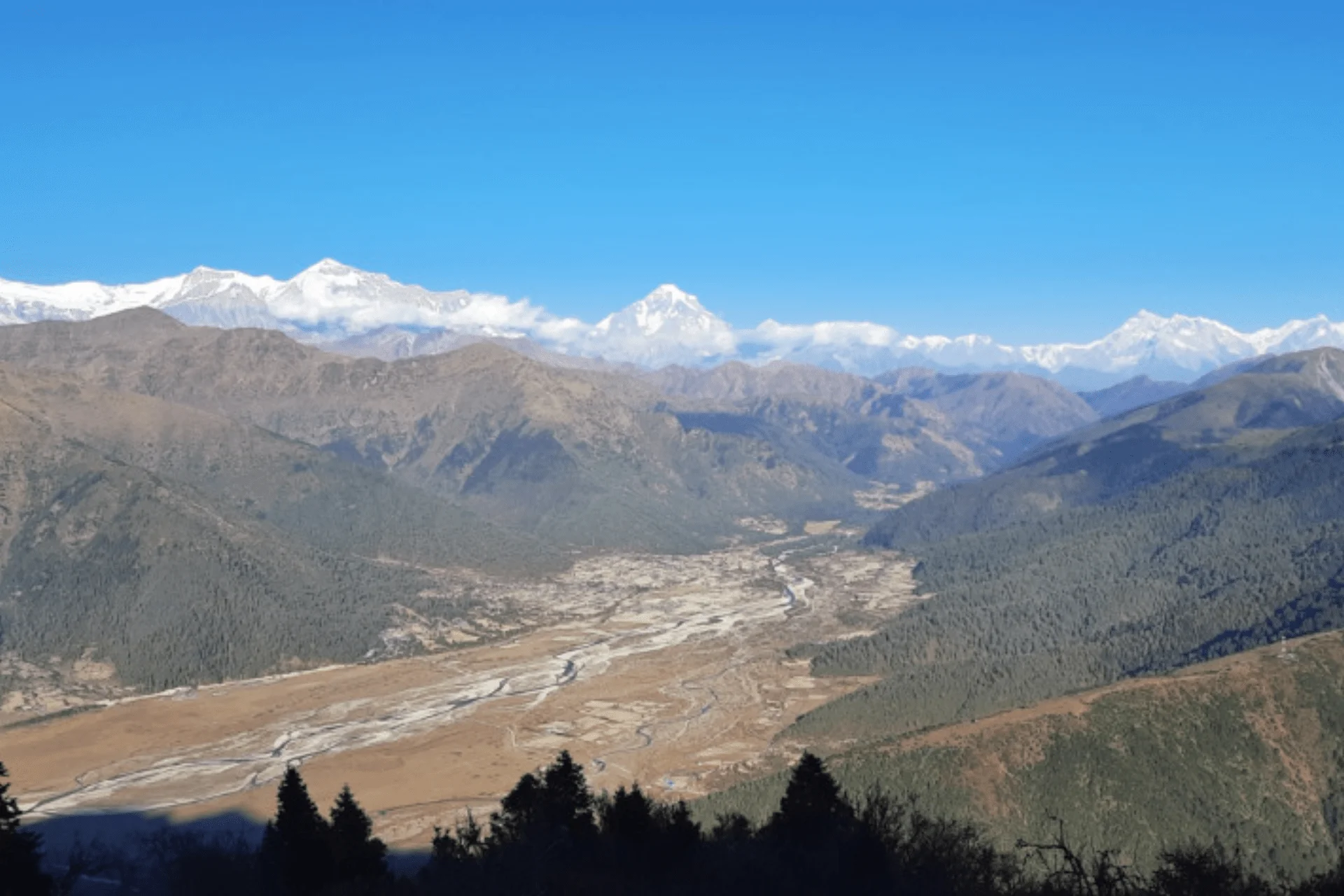
Embark on a trekking adventure through Dhorpatan’s diverse terrain, ranging from alpine meadows to dense forests. The trails offer breathtaking views of the Dhaulagiri and Annapurna mountain ranges providing ample opportunities for nature photography and wildlife sightings. Dhorpatan Hunting Reserve operates under strict conservation guidelines to ensure the preservation of its natural habitats and wildlife populations. Controlled hunting practices, managed by local communities and government authorities, play a crucial role in maintaining ecological balance and supporting sustainable livelihoods.A visit to Dhorpatan Hunting Reserve promises an immersive and educational journey, offering a deeper understanding of Nepal’s natural heritage and the delicate balance between conservation and sustainable use of natural resources.
Highlights:
→ Location and Landscape
→ Wildlife Diversity
→ Birdwatching
→ Cultural Encounters
→ Hunting (Conservation Hunting)
→ Trekking and Adventure
→ Conservation and Management
Cost Includes:
- Accommodation
- Meals
- Transportation
- Park Entrance Fees
- Guiding Service
Cost Excludes:
- Personal Equipments
- Travel Insurance
- Additional Snacks/Drinks
- Miscellaneous Personal Expenses
- Cost Due To Unforeseen Events
Guidelines/Information
Controlled Hunting
Dhorpatan is one of the few areas in Nepal where controlled hunting is permitted under strict regulations. It is managed to maintain a balanced ecosystem and support local communities. Hunting permits are limited and strictly regulated by the Department of National Parks and Wildlife Conservation.
Wildlife Diversity
The reserve is home to diverse wildlife including Himalayan blue sheep (bharal), Himalayan tahr, musk deer, snow leopards and various bird species. The conservation efforts aim to protect these species and their habitats.
Entry Permit
Visitors require an entry permit to enter Dhorpatan Hunting Reserve. These permits can be obtained through authorized tour operators or directly at the reserve’s entry point.
Hunting Permits
For those interested in hunting, specific permits are required. These permits are limited and issued based on quotas and conservation guidelines. Hunters must comply with all regulations and guidelines set forth by Nepalese authorities.
Safety Precautions
Follow safety guidelines provided by your guides and park authorities. Maintain a safe distance from wildlife, especially during hunting expeditions.
Environmental Ethics
Respect the environment and local customs. Dispose of litter responsibly and avoid damaging flora and fauna.
Local Communities
Engage respectfully with local communities including Gurung, Thakali and Tibetan ethnic groups. Learn about their cultural practices, traditions and livelihoods.
Cultural Sensitivity
Respect local customs, traditions and beliefs. Seek permission before photographing individuals or cultural events.
Accommodation
Lodging options range from lodges to tented camps within and around the reserve. It’s advisable to book accommodations in advance, especially during peak seasons.
Climate and Clothing
The weather can vary significantly, so pack accordingly with layered clothing, sturdy footwear and rain gear especially during monsoon season (June to September).
Health Considerations
Carry necessary medications and insect repellent. Ensure you have comprehensive travel insurance covering medical emergencies and evacuations.
Sustainable Practices
Support sustainable tourism practices by adhering to park regulations and supporting local conservation initiatives.
Education and Awareness
Learn about the reserve’s conservation efforts and contribute to wildlife protection by respecting park rules and guidelines.
Yes, controlled hunting is permitted in Dhorpatan Hunting Reserve under strict regulations and quotas set by the Nepalese government. Permits are required and issued for specific species to maintain ecological balance and support local communities.
Dhorpatan is home to diverse wildlife including Himalayan blue sheep (bharal), Himalayan tahr, musk deer, snow leopards and various bird species. It’s renowned for its biodiversity and unique Himalayan flora and fauna.
Entry permits for visiting Dhorpatan Hunting Reserve can be obtained through authorized tour operators or directly at the reserve’s entry points. Hunting permits are issued by the Department of National Parks and Wildlife Conservation and are subject to strict regulations.
Besides hunting, visitors can engage in wildlife safaris, birdwatching, nature walks and cultural visits to nearby villages inhabited by Gurung, Thakali and Tibetan communities. Trekking through the reserve’s scenic landscapes is also popular.
The best time to visit Dhorpatan is during the dry seasons from October to April, when weather conditions are favorable for wildlife viewing, trekking and cultural experiences. The reserve is closed during the monsoon season from June to September due to heavy rains.
Yes, there are lodging options ranging from basic lodges to tented camps within and around the reserve. It’s recommended to book accommodations in advance, especially during peak tourist seasons.
Pack appropriate clothing for varying weather conditions including layered clothing, sturdy footwear for trekking, rain gear and insect repellent. Binoculars and a camera are also recommended for wildlife viewing and photography.
Yes, it is safe to visit Dhorpatan Hunting Reserve. Follow guidelines provided by your guides and park authorities. Respect wildlife and local customs to ensure a safe and enjoyable experience.
→ Departure early for a scenic drive from Kathmandu to Pokhara.
→ Arrive in Pokhara.
→ Check-in at your hotel.
→ Continue your journey to Dhorpatan a drive that takes you through challenging landscapes of hills and valleys.
→ Arrive in Dhorpatan.
→ Check in at your hotel or campsite. Relax and enjoy dinner amidst the tranquil surrounding.
→ Start the day with an early wildlife safari in Dhorpatan Hunting Reserve. Look out for Himalayan blue sheep (bharal), Himalayan tahr and other wildlife species.
→ Visit nearby villages inhabited by Gurung, Thakali and Tibetan communities. Experience local hospitality, learn about traditional lifestyles and explore local craftsmanship.
→ Return to your accommodation for dinner and rest, reflecting on the day’s experiences.
→ Embark on a trekking adventure through Dhorpatan’s diverse terrain. Trek through alpine meadows, dense forests and along scenic trails that offer panoramic views of the Himalayan peaks.
→ Enjoy a packed lunch amidst nature. Continue trekking, observing wildlife and capturing scenic views with your camera.
→ Return to your lodge. Relax and enjoy a hearty dinner after a day of trekking.
→ Engage in birdwatching activities, spotting Himalayan monal, blood pheasant and other bird species endemic to the region.
→ Explore more of the reserve’s natural beauty with a guided nature walk. Learn about the flora and fauna unique to Dhorpatan.
→ Enjoy leisure time at your lodge. Share stories with fellow travelers and prepare for your departure the next day.
→ Depart from Dhorpatan and drive back to Pokhara
→ Explore Pokhara
→ Overnight stay in Pokhara.
→ Early morning drive back to Kathmandu.
→ The travel time is around 7 to 9 hours, depending on traffic and road conditions.
→ Arrive in Kathmandu and transfer to your hotel.
Trip Start & End | Kathmandu – Kathmandu | Meals | Breakfast, Lunch and Dinner |
Maximum Altitude | 2850m-5500m | Difficulty Level | Moderate |
Transportation | Flight, Jeep or Bus | Best season | October-March |
Accommodation | Hotel, Homestay, Camping | Trip Area | Rukum, Myagdi And Baglung District |
Related Treks