Nar Phu Valley
Trip Overview
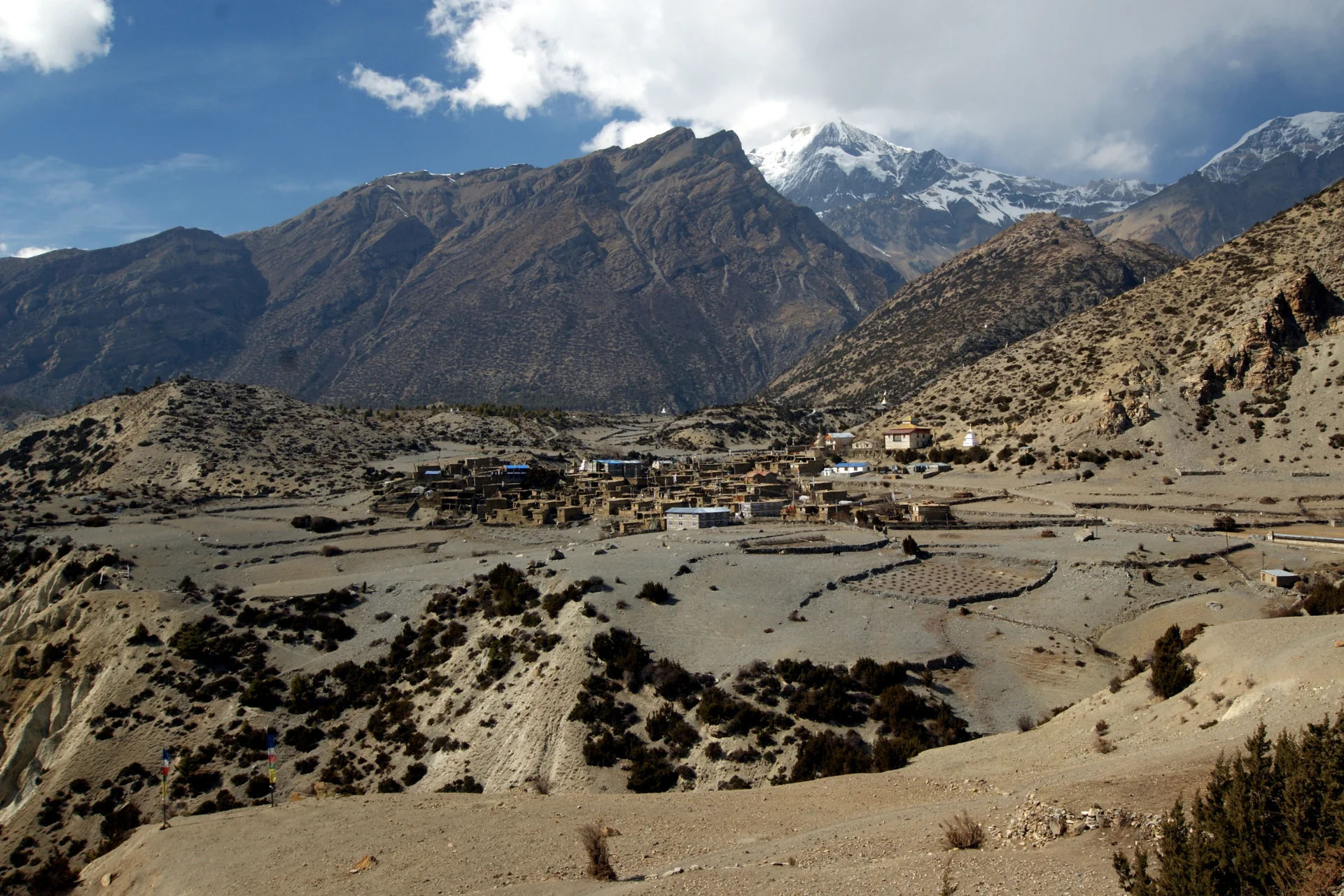
The Nar Phu Valley Trek is a captivating journey into one of the most remote and culturally rich regions of the Annapurna Himalayas in Nepal. The Nar and Phu valleys offer an experience that blends stunning natural beauty with deep cultural immersion. This trek takes you into the heart of a region that has been largely untouched by modernity, where ancient Tibetan Buddhist traditions are still practiced in their purest forms. The journey involves trekking through narrow canyons, crossing suspension bridges over deep gorges and navigating steep, rocky trails that offer breathtaking views of snow-capped peaks like Annapurna II, Himlung Himal and Gangapurna. The landscape is incredibly diverse, ranging from lush forests to high-altitude deserts, providing a constantly changing backdrop to your trek.
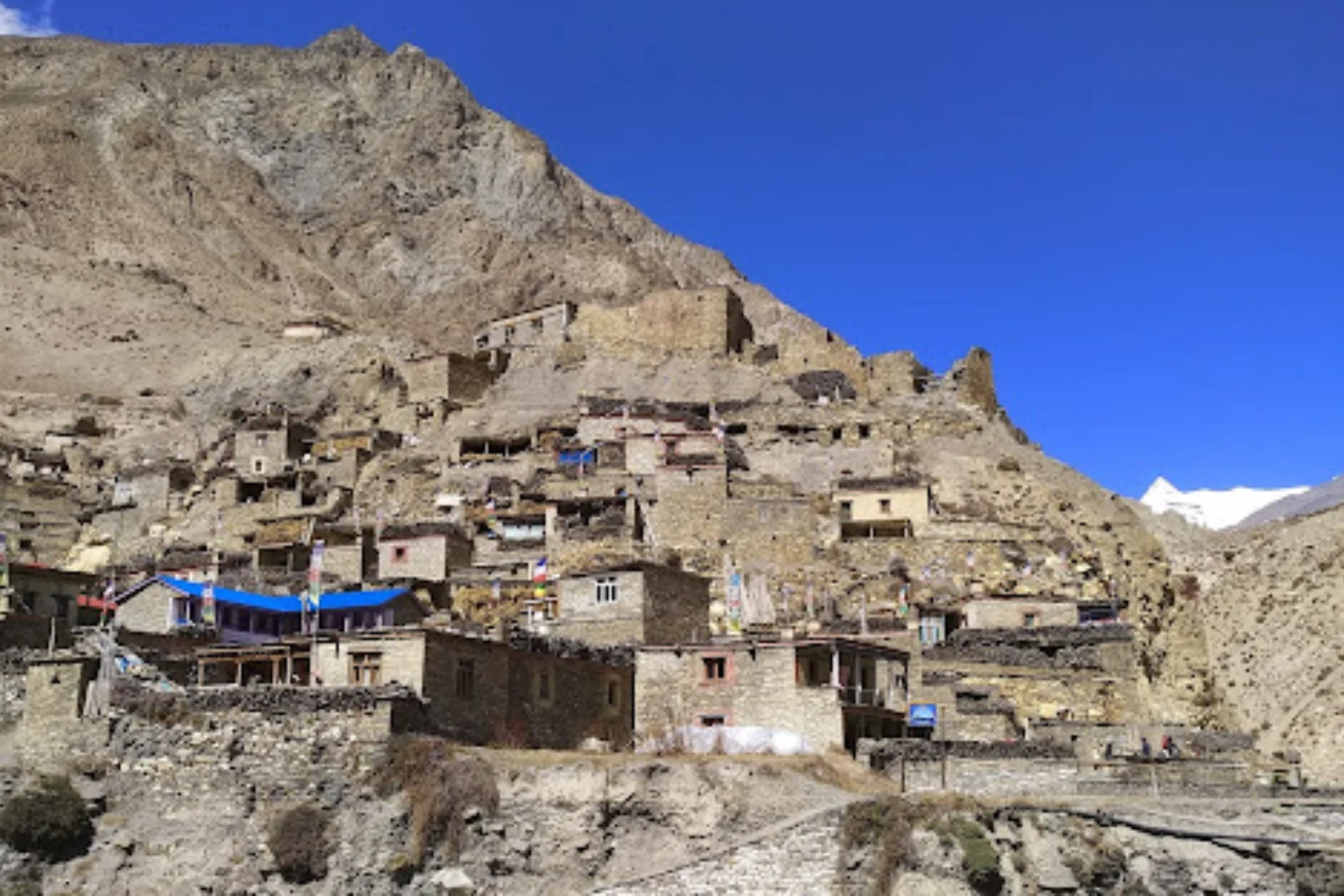
As you approach the villages of Nar and Phu, you’ll encounter ancient monasteries, chortens and prayer flags fluttering in the wind, signaling the deep spiritual significance of the region. These villages are like living museums, where traditional stone houses and ancient Buddhist practices are preserved, offering a rare glimpse into a way of life that has remained unchanged for centuries. The hospitality of the local people is heartwarming and staying in their homes or teahouses provides an authentic cultural experience.
One of the trek’s highlights is crossing the Kang La Pass at 5,320 meters, a challenging but rewarding ascent that offers panoramic views of the Annapurna and Dhaulagiri ranges. This trek is not just about the physical challenge; it’s also about experiencing the raw beauty of the Himalayas and the rich cultural tapestry of its inhabitants. For trekkers seeking an off-the-beaten-path adventure that combines natural wonders with cultural depth, the Nar Phu Valley Trek is an unforgettable journey into one of Nepal’s most hidden corners.
- Remote and Untouched Villages
- Stunning Mountain Scenery
- High Mountain Passes
- Diverse Landscapes
- Rich Cultural Heritage
- Off-the-Beaten-Path Adventure
- Wildlife and Flora
- Tibetan Culture and Traditions
- Authentic Homestay Experience
- Connection to Annapurna Circuit
Cost Includes:
- Trekking Permits
- Transportation
- Accommodation during trek *
- Guide and Porter
- Meals during trek *
- First Aid Kit
- Taxes and Fees
- Insurance for Guide And Porter
- Airport pick up and drop off
Cost Excludes:
- International Flights
- Visa fees
- Travel Insurance
- Personal Expenses
- Additional Services
- Alcoholic Beverages
- Extra Accommodation
- Cost Due To Unforeseen Events
* The cost for each trip may vary based on the selected itinerary, the duration of the trip, and any personal preferences you may have. During treks, your package includes accommodation with breakfast, lunch, and dinner. However, for your stay in major cities, accommodation is provided at a hotel where only breakfast is included, served by the hotel itself.
Permits
Obtain the Annapurna Conservation Area Permit (ACAP), a special restricted area permit and (Trekkers Information Management System) card for Nar Phu Valley.
Physical Preparation
Prepare physically with regular cardio, strength training and prior trekking experience. The trek involves steep ascents and high altitudes.
Acclimatization
Acclimatize properly to prevent altitude sickness. Include rest days and ascend gradually to allow your body to adjust to the altitude.
Travel Insurance
Ensure you have comprehensive travel insurance that covers high-altitude trekking, emergency evacuation, and medical treatment.
Accommodation
Accommodation ranges from basic teahouses and lodges to monastery stays. Facilities are limited, so be prepared for simple living conditions.
Weather
The best times to trek are during the spring (March to May) and autumn (September to November) when weather conditions are stable. Be prepared for cold temperatures at higher altitudes.
Packing
Pack layers of warm clothing, waterproof gear, sturdy trekking boots and essential trekking equipment. A good sleeping bag and personal first aid kit are also important.
Respect Local Culture
Respect the local Tibetan culture and traditions. Seek permission before photographing people and be mindful of cultural norms, especially around monasteries.
Environment
Follow Leave No Trace principles. Dispose of waste properly, minimize your environmental impact, respect wildlife and natural surroundings.
Food and Water
Food options are basic and typically include Nepali and Tibetan dishes. Drink only boiled or purified water to avoid illness.
How difficult is the Nar Phu Valley Trek?
The Nar Phu Valley Trek is moderately difficult with steep ascents, high altitudes and remote terrain. Previous trekking experience and good physical fitness are recommended.
What is the best time to trek in Nar Phu Valley?
The best times to trek are during the pre-monsoon (March to May) and post-monsoon (September to November) seasons when the weather is more stable and the views are clear.
How long does the trek take?
The Nar Phu Valley Trek typically takes 12 days, including travel to and from Kathmandu, acclimatization days and trekking time.
Do I need a special permit for this trek?
Yes, you need the Annapurna Conservation Area Permit (ACAP) and a special restricted area permit for Nar Phu Valley. These can be obtained through a registered trekking agency.
What kind of accommodation is available?
Accommodation ranges from basic teahouses and lodges. Facilities are simple with limited amenities especially in the more remote areas.
How do I handle altitude sickness?
Acclimatize gradually, stay hydrated and monitor for symptoms of altitude sickness. Include acclimatization days in your itinerary, and descend if symptoms worsen.
What should I pack for the trek?
Pack layers of warm clothing, waterproof gear, sturdy trekking boots and essential trekking equipment. Include a sleeping bag, first aid kit and water purification methods.
Are there ATMs on the trek?
No, there are no ATMs in the Nar Phu Valley. Bring sufficient cash in Nepali Rupees for your entire trek, as there are no banking facilities in this remote area.
Is the trek suitable for beginners?
The trek is more suited to experienced trekkers due to the remote location, high altitudes and challenging terrain. Beginners should consider less demanding treks before attempting Nar Phu.
How do I reach the starting point of the trek?
The trek starts in Koto, which is accessible by a drive from Kathmandu via Besisahar. The drive takes about 8-9 hours.
What is the cultural significance of the region?
The Nar Phu Valley is rich in Tibetan culture with ancient monasteries, traditional villages and a way of life that has remained largely unchanged for centuries. Respect local customs and traditions.
Is there internet access on the trek?
Internet access is very limited and often unreliable in the Nar Phu Valley. Prepare for minimal communication and enjoy the opportunity to disconnect.
Can the Nar Phu Valley Trek be combined with other treks?
Yes, the Nar Phu Valley Trek can be combined with the Annapurna Circuit or other treks in the Annapurna region for an extended adventure.
Trip Start & End | Kathmandu – Kathmandu | Meals | Breakfast, Lunch and Dinner |
Maximum Altitude | 5320m, Kang La Pass | Difficulty Level | Challenging |
Transportation | Car, Jeep or Bus | Best season | Sept-Nov, Mar-May |
Accommodation | Tea Houses | Trip Area | Annapurna Conservation Area |
Day 1: Arrival in Kathmandu
→ Activity: Arrive in Kathmandu, the capital city of Nepal. Transfer to your hotel. The rest of the day is free for you to explore the vibrant streets of Thamel or to relax after your journey. In the evening, there will be a briefing about the trek.
→ Overnight: Hotel in Kathmandu.
Day 2: Drive from Kathmandu to Koto via Besisahar
→ Activities: Drive from Kathmandu to Koto (2,600m), passing through scenic landscapes and the town of Besisahar, the gateway to the Annapurna Circuit.
→ Duration: 8-9 hours.
→ Overnight: Lodge in Koto.
Day 3: Trek from Koto to Meta
→ Activities: Start your trek from Koto to Meta (3,560m). The trail follows a narrow, forested gorge, crossing several suspension bridges and offering stunning views of the surrounding peaks.
→ Duration: 7-8 hours.
→ Overnight: Lodge in Meta.
Day 4: Trek from Meta to Phu Village
→ Activities: Continue trekking from Meta to Phu Village (4,080m), passing through the ancient Tibetan villages of Chyakhu and Kyang. The landscape becomes more rugged and arid as you approach Phu.
→ Duration: 6-7 hours.
→ Overnight: Lodge in Phu Village.
Day 5: Acclimatization and Exploration in Phu Village
→ Activities: Spend the day acclimatizing in Phu Village. Explore the village, visit the Tashi Lhakhang Monastery and hike to the nearby Himlung Base Camp for panoramic views.
→ Overnight: Lodge in Phu Village.
Day 6: Trek from Phu Village to Nar Phedi
→ Activities: Trek from Phu Village to Nar Phedi (3,490m), retracing your steps through Kyang and Chyakhu. The trail offers scenic views and passes by several ancient monasteries.
→ Duration: 6-7 hours.
→ Overnight: Monastery Lodge in Nar Phedi.
Day 7: Trek from Nar Phedi to Nar Village
→ Activities: A short but steep trek from Nar Phedi to Nar Village (4,110m). Nar is larger with many chortens and prayer flags adorning the landscape.
→ Duration: 3-4 hours.
→ Overnight: Lodge in Nar Village.
Day 8: Acclimatization and Exploration in Nar Village
→ Activities: Spend the day acclimatizing in Nar Village. Explore the village, visit local monasteries and interact with the local people to learn about their unique culture and traditions.
→ Overnight: Lodge in Nar Village.
Day 9: Trek from Nar Village to Ngawal via Kang La Pass
→ Activities: Begin early to cross the challenging Kang La Pass (5,320m), which offers spectacular views of the Annapurna range. Descend to Ngawal (3,660m) on the other side.
→ Duration: 7-8 hours.
→ Overnight: Lodge in Ngawal.
Day 10: Trek from Ngawal to Pisang, Drive to Besisahar
→ Activities: Trek down to Pisang (3,200m), where you will meet your vehicle for the drive back to Besisahar. The trek gradually descends through pine forests and terraced fields.
→ Duration: 4-5 hours trek, 3-4 hours drive.
→ Overnight: Lodge in Besisahar.
Day 11: Drive from Besisahar to Kathmandu
→ Activities: Drive back to Kathmandu from Besisahar. Upon arrival, you can spend the afternoon relaxing or exploring Kathmandu.
→ Duration: 6-7 hours drive.
→ Overnight: Hotel in Kathmandu.
Day 12: Departure from Kathmandu
→ Transfer to Tribhuvan International Airport for your departure. Alternatively, extend your stay in Nepal with additional activities or tours.
Treks You May Like

