Annapurna Base Camp
Trip Overview
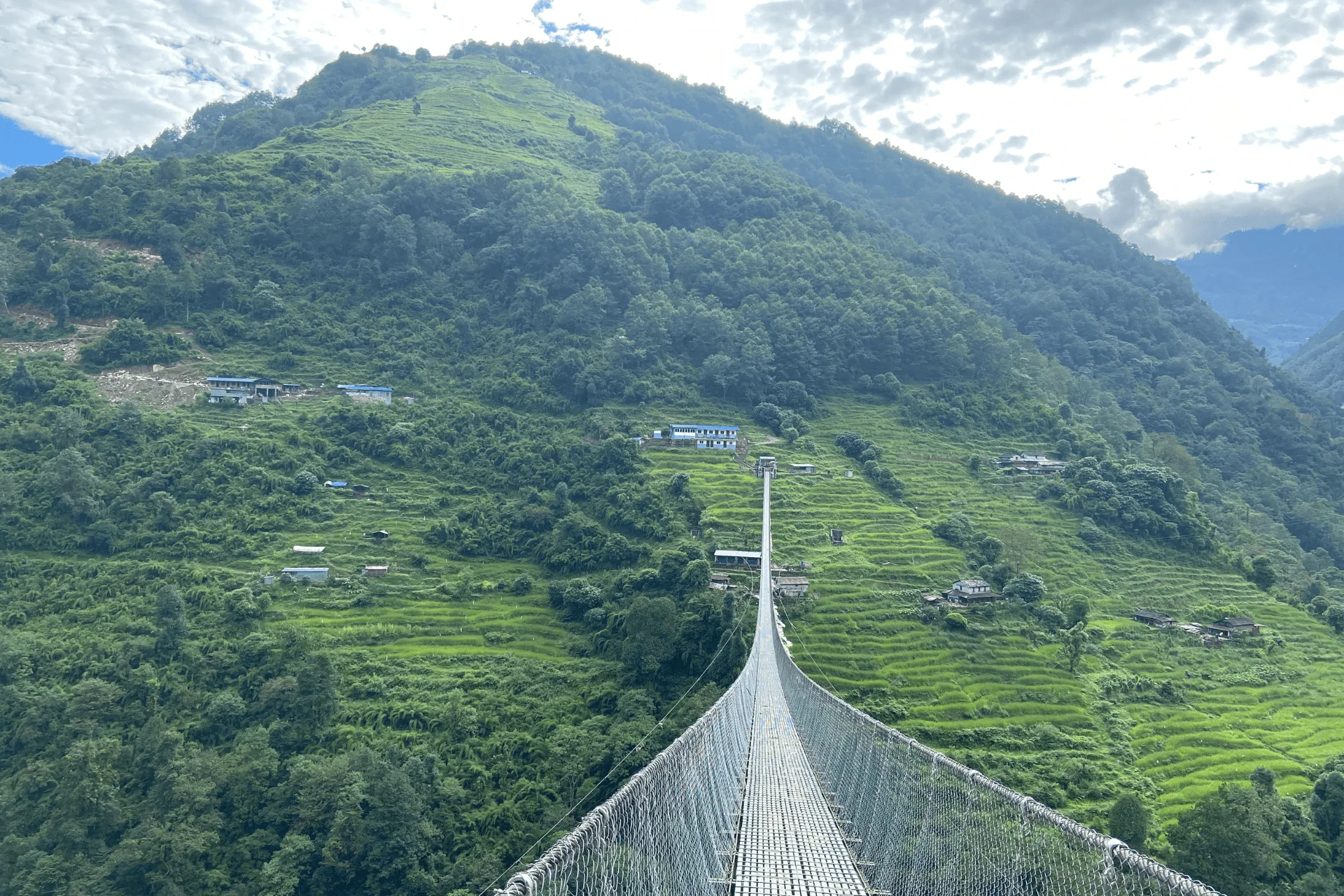
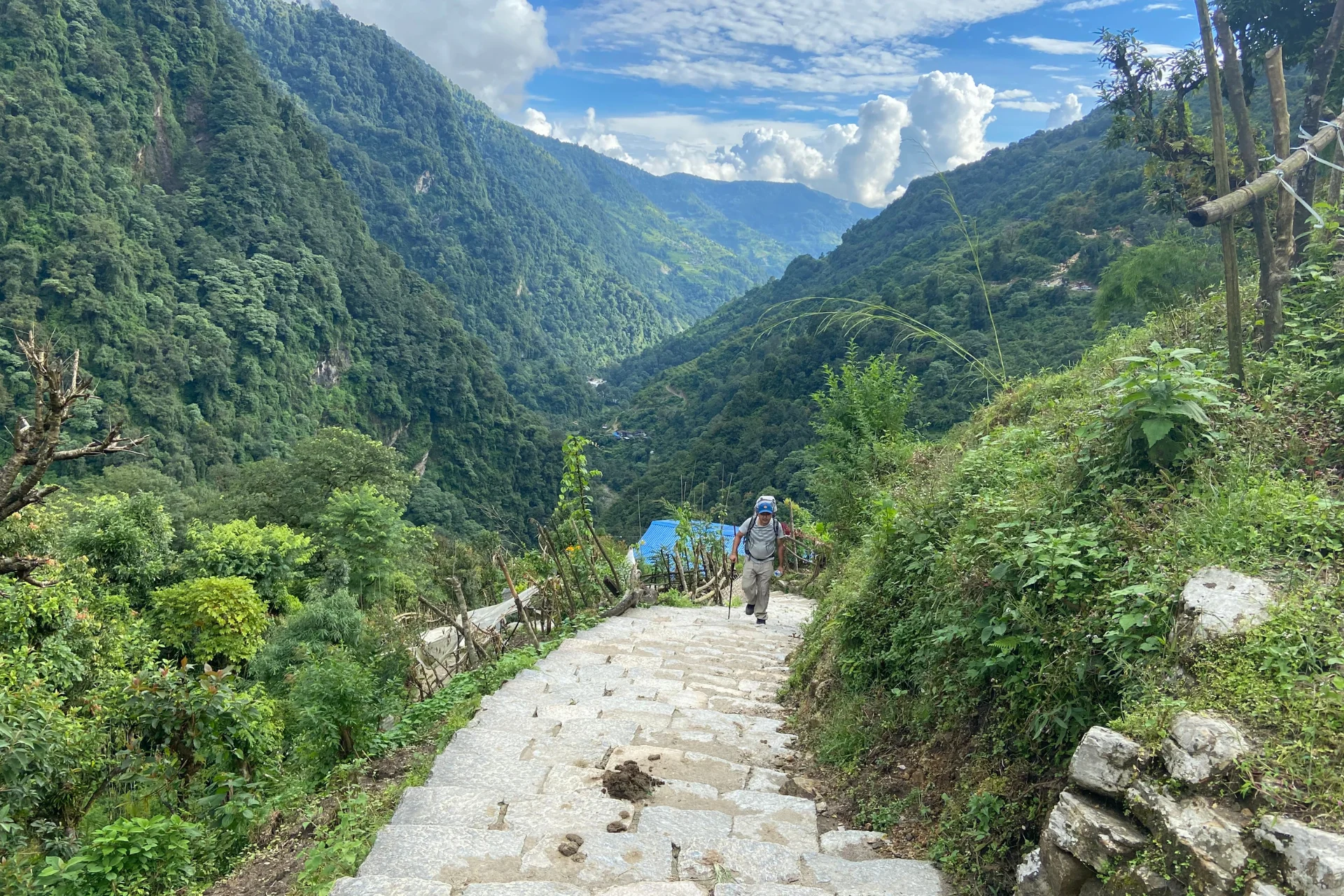
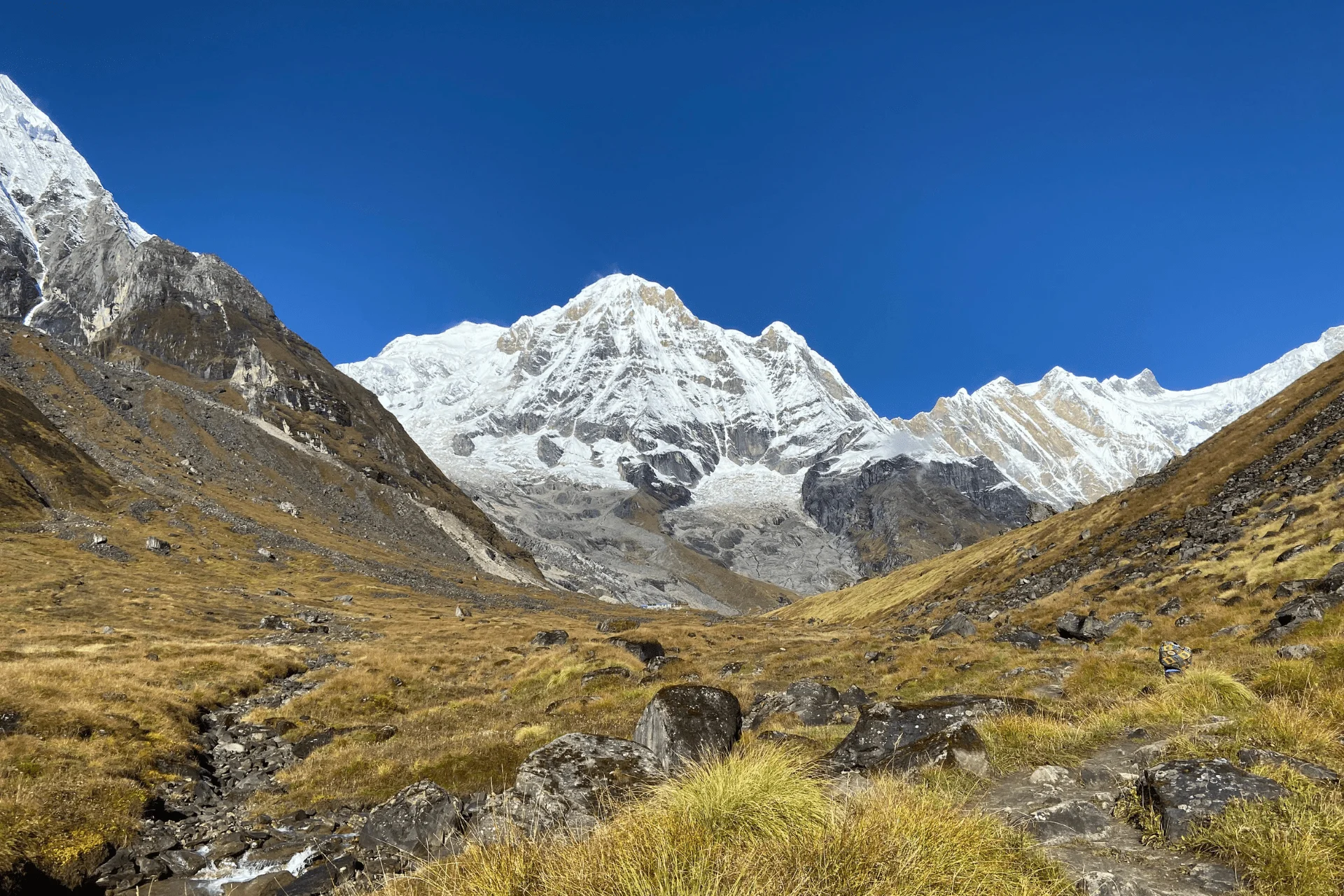
The Annapurna Base Camp (ABC) trek is a captivating journey through the heart of the Annapurna region in Nepal, renowned for its stunning scenery, diverse landscapes and rich cultural heritage. This trek takes adventurers deep into the Annapurna Sanctuary, a natural amphitheater surrounded by towering peaks including the majestic Annapurna range and the iconic Machapuchare (Fishtail) peak. Starting from the lakeside town of Pokhara, the trek begins with a scenic drive to Nayapul where the trail officially commences. From there, trekkers follow a well-marked path that winds through lush rhododendron forests, terraced fields and charming Gurung villages. Along the way, trekkers are treated to panoramic views of the Annapurna and Dhaulagiri mountain ranges as well as glimpses of local life in the Himalayan foothills.
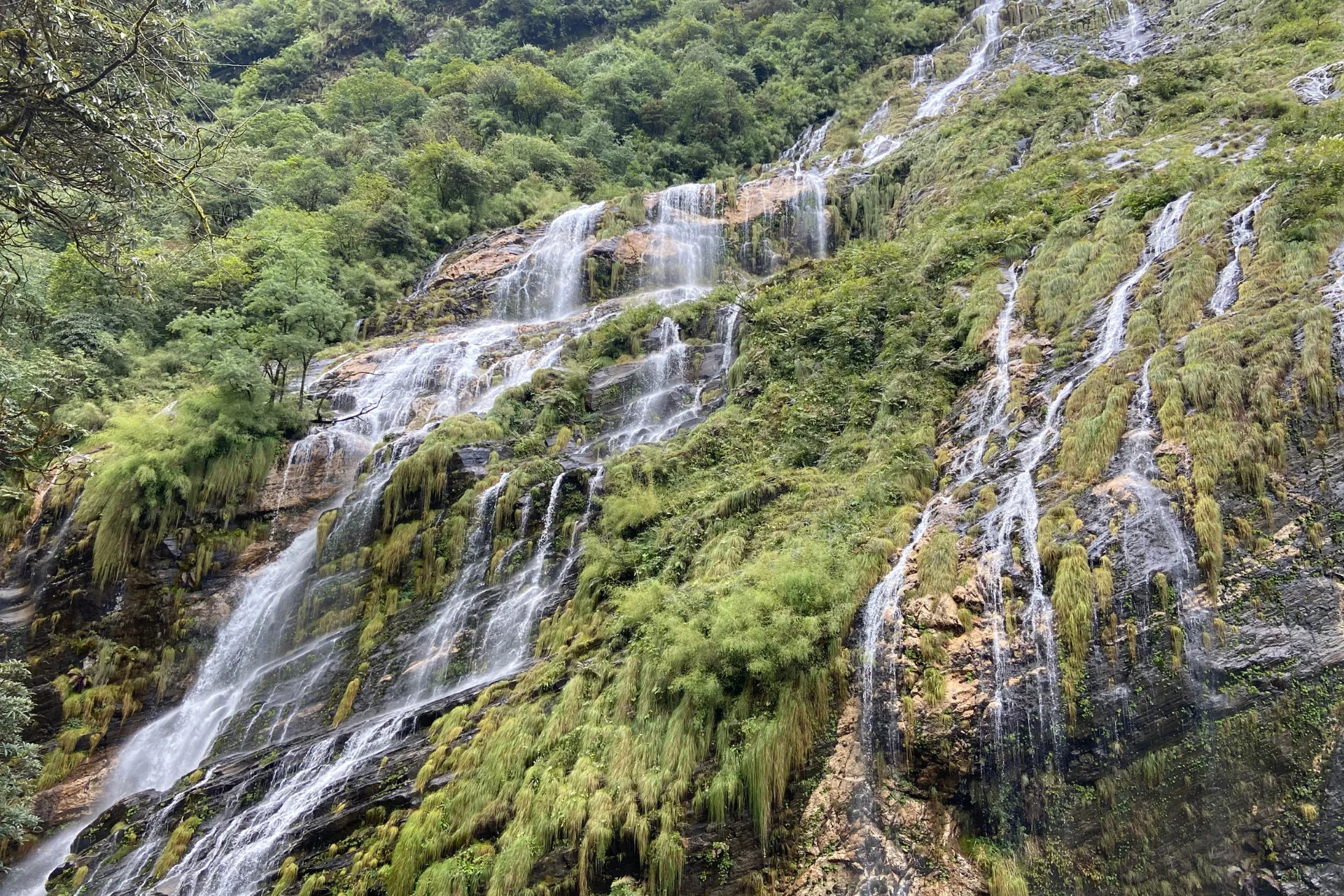
As the trek ascends higher into the mountains, the landscape changes dramatically with cascading waterfalls, alpine meadows and rugged cliffs becoming more prevalent. The trail passes through traditional villages like Chhomrong and Bamboo, where trekkers can experience the warm hospitality of the local communities and sample authentic Nepalese cuisine. One of the highlights of the ABC trek is reaching Machapuchare Base Camp (MBC), nestled beneath the towering peak of Machapuchare. From MBC, trekkers continue their ascent to Annapurna Base Camp, located at an altitude of approximately 4,130 meters (13,550 feet). Here, surrounded by towering peaks and glaciers, trekkers are treated to panoramic views of Annapurna I, Annapurna South, Hiunchuli and other Himalayan giants.
The sense of achievement upon reaching Annapurna Base Camp is profound and trekkers often spend time soaking in the breathtaking scenery, taking photographs and reflecting on their journey. Throughout the trek, trekkers are supported by a network of teahouses and lodges providing comfortable accommodations and hearty meals. The camaraderie among fellow trekkers and the warmth of the local hospitality add to the overall experience creating memories that will last a lifetime. The Annapurna Base Camp trek is suitable for trekkers of all levels and is a perfect introduction to the beauty and majesty of the Himalayas. Whether marveling at the snow-capped peaks, immersing oneself in the local culture, or simply enjoying the tranquility of the mountains, every moment of the ABC trek is sure to be an unforgettable adventure.
Highlights:
- Scenic Drive to Pokhara
- Pokhara
- Ghorepani & Poonhill
- Stunning Sunrise and Sunset
- Diverse Landscapes and Flora
- Cultural Experiences
- Chhomrong Village
- Local Cuisine
- Varied Trekking Terrain
- Annapurna Sanctuary
- Machapuchare Base Camp (MBC)
- Annapurna Base Camp (ABC)
- Hot Springs at Jhinu Danda
Cost Includes:
- Trekking Permits
- Transportation
- Accommodation during trek *
- Guide and Porter
- Meals during trek *
- First Aid Kit
- Taxes and Fees
- Insurance for Guide And Porter
- Airport pick up and drop off
Cost Excludes:
- International Flights
- Visa fees
- Travel Insurance
- Personal Expenses
- Additional Services
- Alcoholic Beverages
- Extra Accommodation
- Cost Due To Unforeseen Events
* The cost for each trip may vary based on the selected itinerary, the duration of the trip, and any personal preferences you may have. During treks, your package includes accommodation with breakfast, lunch, and dinner. However, for your stay in major cities, accommodation is provided at a hotel where only breakfast is included, served by the hotel itself.
Permits
Obtain the necessary permits for the trek. You will need the Annapurna Conservation Area Permit (ACAP) and Trekkers Information Management System (TIMS) card which can be obtained in Kathmandu or Pokhara before starting the trek.
Itinerary
Plan your itinerary carefully considering factors like your fitness level, acclimatization needs and time constraints. The standard Annapurna Base Camp Trek usually takes about 7 to 12 days, depending on the specific route and side trips. It’s recommended to include rest/acclimatization days to avoid altitude sickness.
Season
The best time to trek to Annapurna Base Camp is during the spring (March to May) and autumn (September to November) seasons when the weather is generally stable and the skies are clear. Avoid trekking during the monsoon season (June to August) due to heavy rainfall and the risk of landslides.
Altitude Acclimatization
Proper acclimatization is crucial for avoiding altitude sickness. Ascend gradually allowing your body time to adjust to the increasing altitude. Include rest days in your itinerary and stay hydrated throughout the trek. Familiarize yourself with the symptoms of altitude sickness and know when to seek medical assistance if necessary.
Physical Fitness
The Annapurna Base Camp Trek involves moderate hiking with some steep sections. Prior physical fitness preparation including cardio exercises, strength training and hiking with a loaded backpack will enhance your trekking experience.
Packing
Pack wisely carrying essential items such as sturdy hiking boots, a down jacket, thermal layers, gloves, a hat, sunglasses, sunscreen, a first aid kit and a reusable water bottle. It’s also advisable to pack lightweight, quick-drying clothing and trekking poles for added stability.
Accommodation
The Annapurna region offers a range of accommodation options including teahouses (lodges) and guesthouses along the trail. These establishments provide basic facilities such as meals, accommodation and sometimes hot showers for a reasonable price. It’s recommended to book your accommodation in advance during the peak trekking seasons.
Food and Water
Stay hydrated by drinking plenty of purified water throughout the trek. While bottled water is available at teahouses, it’s more environmentally friendly to use water purification tablets or a portable water filter. Enjoy hearty meals at teahouses, which typically serve a variety of local and international dishes.
Responsible Trekking
Practice responsible trekking by minimizing your environmental impact. Carry out all your trash and dispose of it properly at designated waste collection points. Respect local culture, customs and wildlife along the trail.
Emergency Preparedness
Familiarize yourself with emergency procedures and evacuation routes. Carry a fully charged phone with emergency contacts saved and consider purchasing travel insurance that covers trekking at high altitudes.
The Annapurna Base Camp Trek is a popular trekking route in Nepal that leads to the base camp of Mount Annapurna, the 10th highest mountain in the world. It offers stunning mountain views, diverse landscapes and cultural experiences.
The typical duration for the Annapurna Base Camp Trek is around 7 to 14 days, depending on the specific itinerary and acclimatization needs. However, shorter or longer itineraries are possible depending on your preferences.
The best time to trek to Annapurna Base Camp is during the autumn (September to November) and spring (March to May) seasons. These months offer stable weather, clear skies and comfortable temperatures making for ideal trekking conditions.
Yes, trekking in the Annapurna region requires permits. You will need the Annapurna Conservation Area Permit (ACAP) and the Trekkers’ Information Management System (TIMS) card, which can be obtained in Kathmandu or Pokhara before starting the trek.
The Annapurna Base Camp Trek is considered moderately challenging. It involves moderate hiking with some steep ascents and descents but it is achievable for trekkers of various fitness levels. Proper preparation and acclimatization are key.
Accommodation along the Annapurna Base Camp Trek ranges from basic teahouses (lodges) to more comfortable guesthouses and hotels in larger villages. Teahouses provide simple lodging and meals, while guesthouses offer more amenities. Camping is also an option in some areas.
Altitude sickness is a potential risk when trekking at high altitudes. It’s important to acclimatize properly, stay hydrated and be aware of the symptoms of altitude sickness. The trek itinerary typically includes rest/acclimatization days to minimize these risks.
Essential items to pack for the Annapurna Base Camp Trek include sturdy hiking boots, warm clothing layers, a down jacket, gloves, a hat, sunglasses, sunscreen, a first aid kit, trekking poles and a reusable water bottle. It’s advisable to pack light but smartly for the trek.
Preparation for the Annapurna Base Camp Trek involves physical conditioning including cardiovascular exercises, strength training and hiking practice with a loaded backpack. Familiarize yourself with the trek itinerary, altitude considerations and essential trekking gear to ensure a safe and enjoyable experience.
Yes, comprehensive travel insurance that covers high-altitude trekking, medical emergencies and evacuation is highly recommended.
Trip Start & End | Kathmandu – Kathmandu | Meals | Breakfast, Lunch and Dinner |
Maximum Altitude | 4130m, Annapurna Base Camp | Difficulty Level | Moderate |
Transportation | Flight, Car, Jeep or Bus | Best season | Sept-Nov, Mar-May |
Accommodation | Hotels, Tea Houses & Lodges | Trip Area | Annapurna Conservation Area |
→ Arrive at Tribhuvan International Airport in Kathmandu.
→ Transfer to the hotel and rest and prepare for the trek.
→ Overnight at the hotel.
→ Travel: Drive (6-7 hours) or fly (25 minutes) from Kathmandu to Pokhara.
→ Activities: Explore Pokhara, a scenic lakeside city.
→ Overnight: Stay in Pokhara.
→ Travel: Drive from Pokhara to Nayapul (1-2 hours).
→ Trek: Trek from Nayapul to Tikhedhunga/Ulleri (5-6 hours).
→ Trail: Pass through Birethanti, Hille and Tikhedhunga. Climb steeply to Ulleri.
→ Overnight: Stay in Tikhedhunga or Ulleri.
→ Trek: Trek from Tikhedhunga/Ulleri to Ghorepani (5-6 hours).
→ Trail: Ascend through rhododendron forests and traditional Magar villages.
→ Overnight: Stay in Ghorepani.
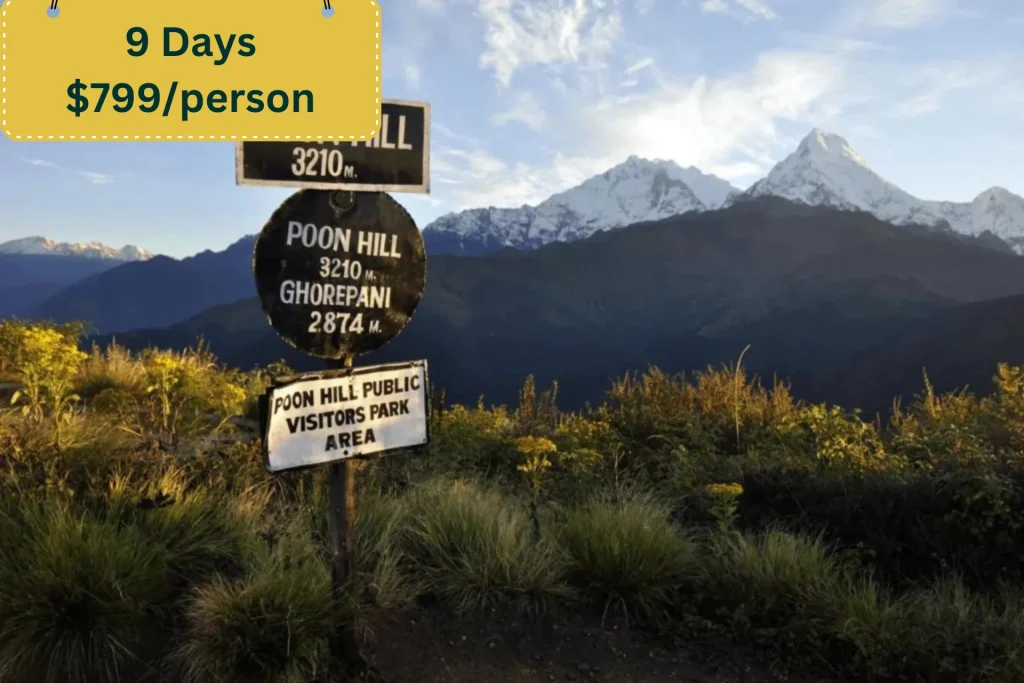
→ Activity: Early morning hike to Poon Hill (3,210 meters) for sunrise views (1-2 hours).
→ Trek: Return to Ghorepani for breakfast, then trek to Tadapani (4-5 hours).
→ Trail: Pass through forests and enjoy views of Annapurna and Dhaulagiri ranges.
→ Overnight: Stay in Tadapani.
→ Trek: Trek from Tadapani to Chhomrong (5-6 hours).
→ Trail: Descend through forests and terraced fields, crossing the Kimrong Khola.
→ Overnight: Stay in Chhomrong, a large Gurung village.
→ Trek: Trek from Chhomrong to Bamboo (4-5 hours).
→ Trail: Descend to Chhomrong Khola, then ascend to Sinuwa and continue through bamboo forests.
→ Overnight: Stay in Bamboo.
→ Trek: Trek from Bamboo to Deurali (4-5 hours).
→ Trail: Pass through dense bamboo and rhododendron forests and cross several small streams.
→ Overnight: Stay in Deurali.
→ Trek: Trek from Deurali to MBC (2-3 hours), then continue to ABC (2-3 hours).
→ Trail: Ascend steadily, enjoying panoramic views of the Annapurna range.
→ Overnight: Stay at Annapurna Base Camp (4,130 meters).
→ Trek: Trek from ABC to Bamboo (6-7 hours).
→ Trail: Retrace steps back down the valley, enjoying the changing perspectives.
→ Overnight: Stay in Bamboo.
→ Trek: Trek from Bamboo to Jhinu Danda (5-6 hours).
→ Trail: Pass through Sinuwa and Chhomrong, then descend to Jhinu Danda.
→ Activity: Relax in the natural hot springs at Jhinu Danda.
→ Overnight: Stay in Jhinu Danda.
→ Trek: Trek from Jhinu Danda to Nayapul (5-6 hours).
→ Travel: Drive from Nayapul to Pokhara (1-2 hours).
→ Overnight: Stay in Pokhara.
→ Travel: Drive (6-7 hours) or fly (25 minutes) from Pokhara to Kathmandu.
→ Activity: Explore Kathmandu or relax before departure.
→ Overnight: Stay in Kathmandu.
→ Depending on your flight schedule, transfer to the airport for your departure from Kathmandu.
Treks You May Like