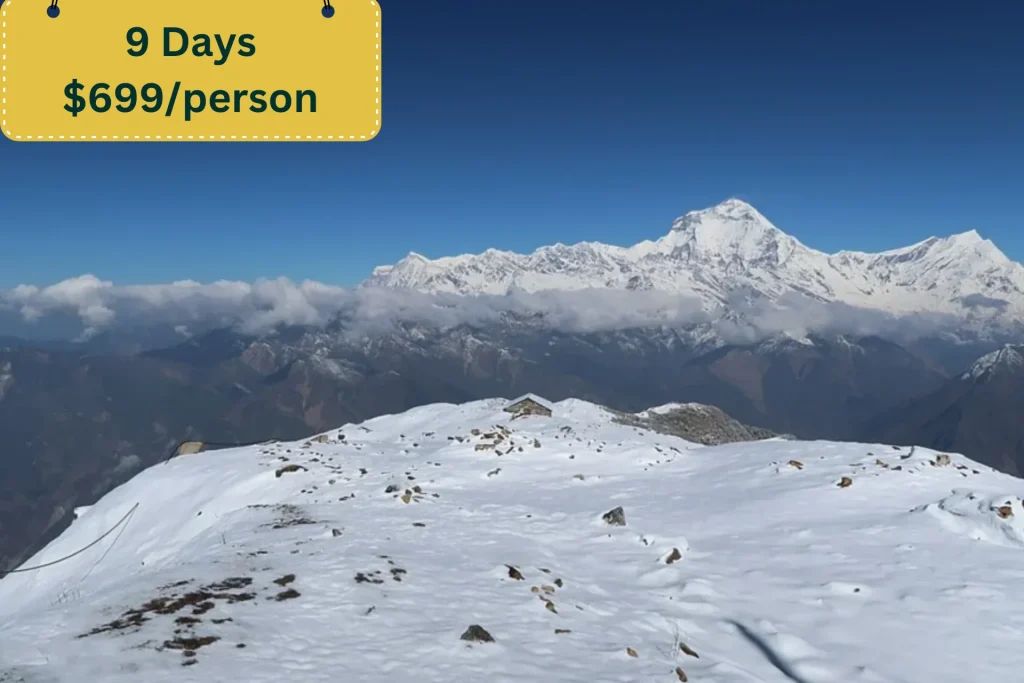
Pikey Peak
Trip Overview
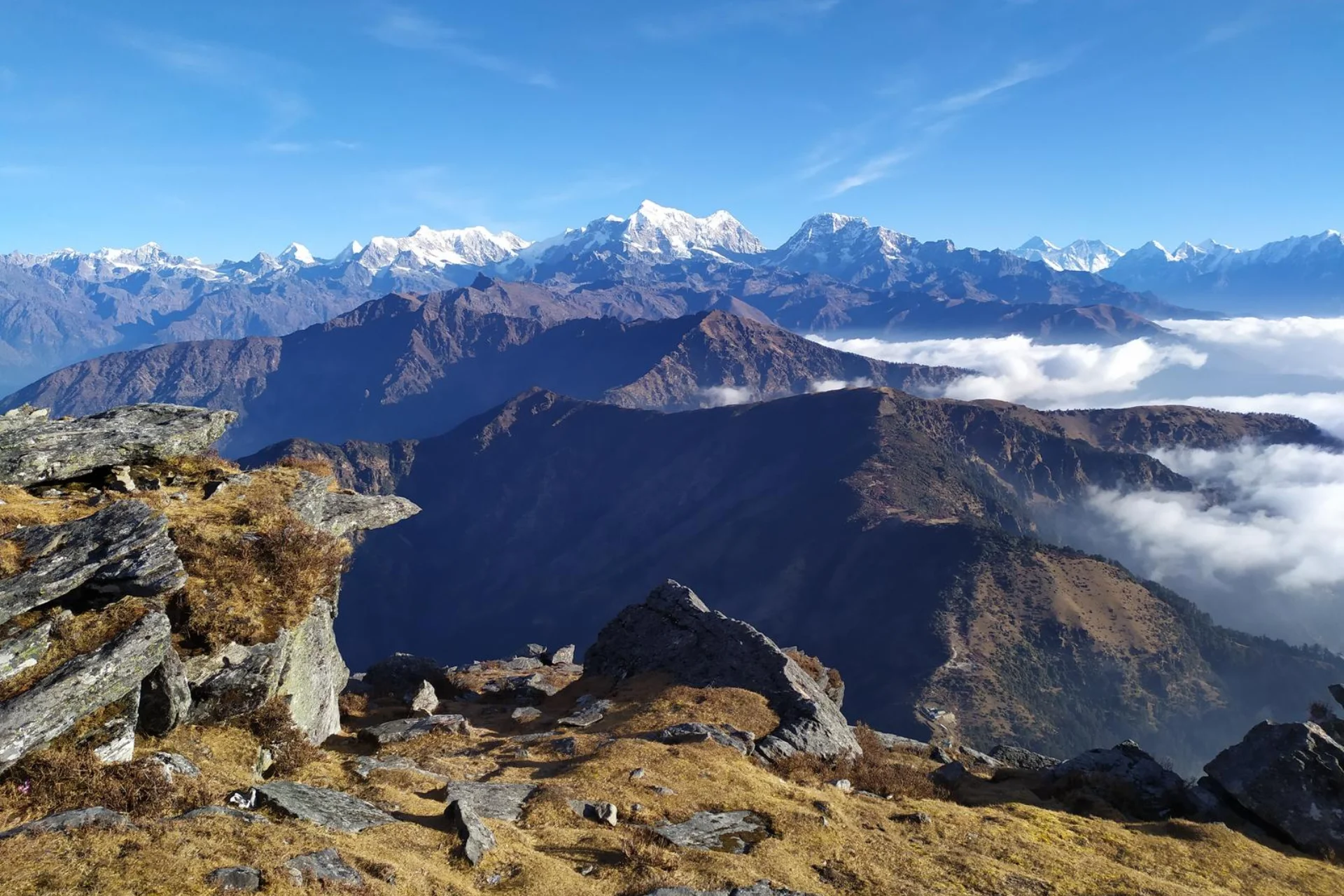
The Pikey Peak trek is a hidden gem in the Solu region of Nepal, offering trekkers a unique combination of breathtaking mountain views, rich cultural encounters and diverse landscapes. This trek is particularly renowned for its panoramic views of the Himalayas including a stunning perspective of Mount Everest, Makalu, Lhotse and Kanchenjunga. Standing at an altitude of 4,065 meters, Pikey Peak itself serves as a spectacular vantage point, especially during sunrise and sunset when the peaks are bathed in golden hues, creating a truly magical experience.
The Pikey Peak trek is off the beaten path allowing for a more tranquil and intimate trekking experience. The trail winds through traditional Sherpa villages, providing trekkers with the opportunity to immerse themselves in the local culture and traditions. The region is considered the cultural heartland of the Sherpa people. Along the way, you can visit ancient monasteries, chortens and stupas which offer a glimpse into the deeply rooted Buddhist practices of the area.
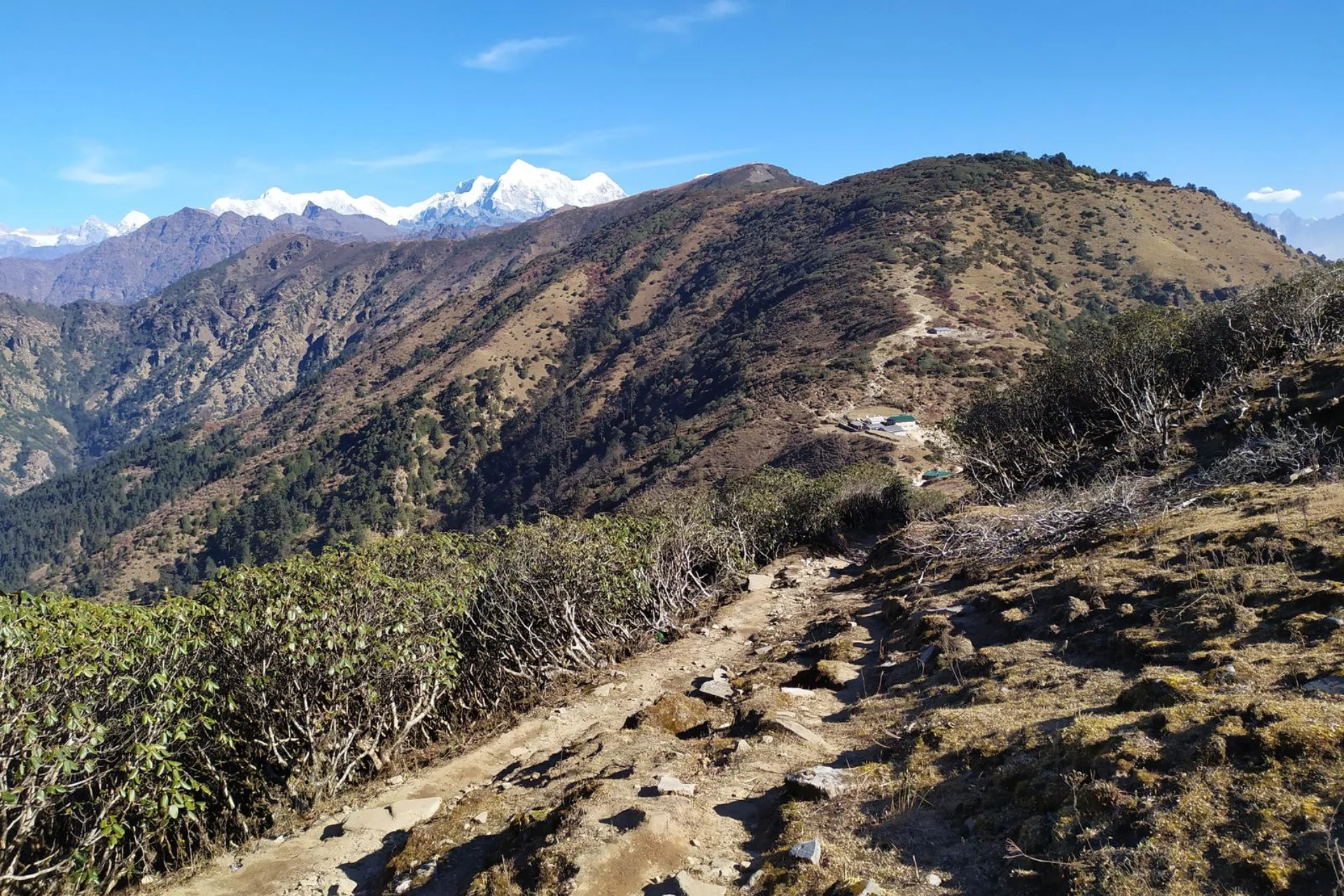
The trek is not just about the majestic mountains; it also takes you through a variety of landscapes, from lush rhododendron forests and terraced farmlands to alpine meadows and rocky ridges. This diversity in terrain makes the Pikey Peak trek particularly engaging as the scenery changes with each passing day. The route is also home to a rich array of flora and fauna, making it a rewarding experience for nature enthusiasts and bird watchers.
Despite its moderate difficulty, the trek requires a reasonable level of fitness but it is manageable for most trekkers. The Pikey Peak trek is a perfect blend of natural beauty, cultural richness and adventure. It offers a peaceful and less commercialized alternative to the more popular trekking routes in Nepal, making it an excellent choice for those seeking a more authentic and serene Himalayan experience.
- Panoramic Views of the Himalayas
- Cultural Experience
- Off-the-Beaten-Path
- Diverse Landscapes
- Accessibility
- Pikey Peak
Cost Includes:
- Trekking Permits
- Transportation
- Accommodation during trek *
- Guide and Porter
- Meals during trek *
- First Aid Kit
- Taxes and Fees
- Insurance for Guide And Porter
- Airport pick up and drop off
Cost Excludes:
- International Flights
- Visa fees
- Travel Insurance
- Personal Expenses
- Additional Services
- Alcoholic Beverages
- Extra Accommodation
- Cost Due To Unforeseen Events
* The cost for each trip may vary based on the selected itinerary, the duration of the trip, and any personal preferences you may have. During treks, your package includes accommodation with breakfast, lunch, and dinner. However, for your stay in major cities, accommodation is provided at a hotel where only breakfast is included, served by the hotel itself.
Trekking Permits
To trek Pikey Peak, you need to obtain the Gaurishankar Conservation Area Permit (GCAP) and a Trekkers’ Information Management System (TIMS) card.
Best Time to Trek
The best time to trek Pikey Peak is during the spring (March to May) and autumn (September to November) seasons, when the weather is clear, the skies are bright and the mountain views are at their most spectacular.
Difficulty Level
The Pikey Peak trek is of moderate difficulty, making it suitable for trekkers with a reasonable level of fitness and some previous trekking experience.
Accommodation and Meals
Accommodation on the Pikey Peak trek is provided in basic teahouses, offering simple rooms and shared facilities, with meals typically consisting of traditional Nepali dishes like dal bhat, noodles and potatoes.
Altitude Considerations
While the Pikey Peak trek doesn’t reach extreme altitudes, it’s important to be mindful of altitude sickness, especially as you approach the peak at 4,065 meters, acclimatize properly, stay hydrated and ascend gradually.
Clothing
Layered clothing to manage the changing temperatures. Include a warm jacket, thermal base layers, trekking pants, a hat, gloves and good-quality trekking boots.
Gear
A backpack, trekking poles, a headlamp, a sleeping bag (for higher altitudes) and a reusable water bottle with water purification tablets or a filter.
First Aid
Carry a personal first-aid kit with essentials like band-aids, antiseptic, pain relievers, altitude sickness medication and blister care.
Documents
Keep your permits, TIMS card, passport and extra passport photos in a waterproof bag.
Hydration
Drink plenty of water to stay hydrated that helps altitude adjustment. Avoid drinking untreated water from streams.
Sun Protection
Use sunscreen, wear a hat and sunglasses to protect from the strong sun at higher altitudes.
Local Customs
Respect local customs and traditions. Dress modestly and ask for permission before taking photos of people or religious sites.
Leave No Trace
Pack out all your trash and dispose it properly. Avoid using single-use plastics and carry a reusable water bottle.
Respect Wildlife
Do not disturb or feed wildlife. Stick to designated trails to minimize your impact on the environment.
Trekking Insurance
Ensure you have travel insurance that covers high-altitude trekking, emergency evacuation (by helicopter) and medical treatment.
Respect Sacred Sites
Always walk clockwise around stupas and mani walls. Remove your shoes before entering monasteries or homes.
Language
Learning a few basic phrases in Nepali or the Sherpa language can enhance your interactions with locals.
What is the Pikey Peak Trek?
The Pikey Peak Trek is a scenic and culturally rich trek in the Solu region of Nepal, offering panoramic views of the Himalayas, including Mount Everest and an authentic experience of Sherpa culture.
How long is the Pikey Peak Trek?
The trek typically takes 7 to 9 days, depending on your pace and itinerary.
What is the highest point of the trek?
The highest point of the trek is Pikey Peak, which stands at 4,065 meters (13,336 feet).
Do I need prior trekking experience for Pikey Peak?
While prior trekking experience is beneficial, the Pikey Peak trek is of moderate difficulty, making it suitable for trekkers with a reasonable level of fitness.
What permits do I need for the trek?
You need the Gaurishankar Conservation Area Permit (GCAP) and a Trekkers’ Information Management System (TIMS) card.
What is the best time to trek Pikey Peak?
The best time to trek Pikey Peak is during the spring (March to May) and autumn (September to November) seasons when the weather is clear and stable.
What type of accommodation is available on the trek?
Accommodation is provided in basic teahouses, which offer simple rooms and shared facilities.
Is altitude sickness a concern on this trek?
While the Pikey Peak trek does not reach extreme altitudes, there is still a risk of altitude sickness, especially as you approach the peak. Proper acclimatization and hydration are essential.
What should I pack for the Pikey Peak trek?
Essential items include layered clothing, a warm jacket, trekking poles, a sleeping bag, a first-aid kit and a reusable water bottle with purification tablets or a filter.
Are there any cultural considerations I should be aware of?
Yes, it’s important to respect local customs dress modestly, walk clockwise around stupas and mani walls and ask for permission before taking photos of people or religious sites.
Is travel insurance necessary?
Yes, comprehensive travel insurance that covers high-altitude trekking, medical emergencies and evacuation is highly recommended.
Trip Start & End | Kathmandu – Kathmandu | Meals | Breakfast, Lunch and Dinner |
Maximum Altitude | 4065m, Pikey Peak | Difficulty Level | Moderate |
Transportation | Car, Jeep | Best season | Sept-Nov, Mar-May |
Accommodation | Hotels, Tea Houses | Trip Area | Lower Khumbu Region |
Day 1: Arrival in Kathmandu (1,400m)
→ Activities: Arrive in Kathmandu and transfer to your hotel. Spend the day exploring the vibrant city, visiting cultural sites like Swayambhunath (Monkey Temple) or Durbar Square.
→ Overnight: Hotel in Kathmandu.
Day 2: Drive from Kathmandu to Dhap (2,900m)
→ Duration: 7-8 hours by jeep
→ Route: The drive takes you through beautiful landscapes, small towns and villages offering a glimpse of rural Nepal.
→ Overnight: Teahouse in Dhap.
Day 3: Trek from Dhap to Jhapre (2,820m)
→ Duration: 4-5 hours
→ Highlights: Start your trek with a gradual ascent through rhododendron forests and terraced fields. Jhapre offers the first views of Everest and Numbur Himal.
→ Overnight: Teahouse in Jhapre.
Day 4: Trek from Jhapre to Pikey Base Camp (3,640m)
→ Duration: 6-7 hours
→ Highlights: The trail climbs through more forests and open meadows. You’ll pass by mani walls and chortens, important symbols in the local Buddhist culture.
→ Overnight: Teahouse at Pikey Base Camp.
Day 5: Sunrise at Pikey Peak (4,065m) and Trek to Loding (2,515m)
→ Duration: 7-8 hours
→ Highlights: Early morning hike to Pikey Peak for a stunning sunrise over the Himalayas. After enjoying the views, descend to Loding through a forested path.
→ Overnight: Teahouse in Loding.
Day 6: Trek from Loding to Junbesi (2,700m)
→ Duration: 5-6 hours
→ Highlights: Continue through forests, pass small villages and across suspension bridges. Junbesi is a traditional Sherpa village with an important monastery.
→ Overnight: Teahouse in Junbesi.
Day 7: Rest Day in Junbesi or Visit Thupten Chholing Monastery (3,050m)
→ Optional Hike: 4-5 hours
→ Highlights: Spend the day exploring Junbesi or take an optional hike to Thupten Chholing Monastery, a large Tibetan Buddhist monastery with a peaceful atmosphere.
→ Overnight: Teahouse in Junbesi.
Day 8: Trek from Junbesi to Phaplu (2,469m)
→ Duration: 5-6 hours
→ Highlights: A gentle walk along the river, passing through more Sherpa villages. Phaplu is a small town with an airstrip.
→ Overnight: Teahouse in Phaplu.
Day 9: Drive from Phaplu to Kathmandu
→ Duration: 8-9 hours
→ Highlights: Drive back to Kathmandu through the mountains and valleys.
→ Overnight: Hotel in Kathmandu.
Day 10: Departure from Kathmandu
→ Depending on your flight schedule, transfer to the airport for your departure from Kathmandu.
Treks You May Like