Mera Peak

Trip Overview
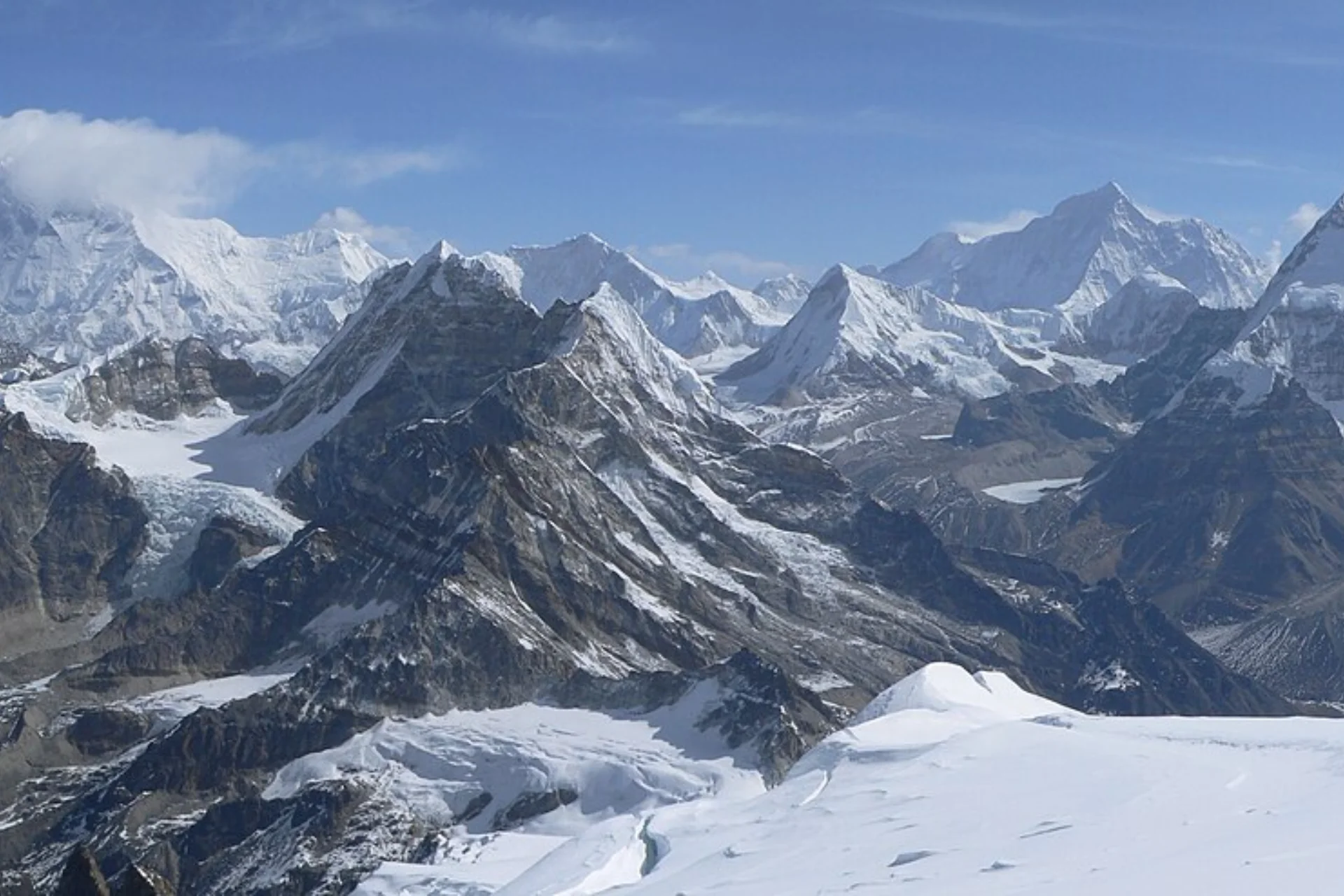
The Mera Peak Trek offers a unique blend of adventure, stunning landscapes and cultural immersion. Located in the Everest region of Nepal, this trek is renowned for its challenging ascent and breathtaking views. The journey begins with a flight from Kathmandu to Lukla, followed by a trek through the lush Hinku Valley. As you move through traditional Sherpa villages and dense forests, you’ll gradually acclimate to the increasing altitude.As you ascend, the terrain changes dramatically, leading you through alpine meadows and rocky paths to the high-altitude base camps. The trek involves several days of acclimatization. The high camps, perched amidst snow and ice, offer stunning vistas of the surrounding peaks and glaciers.
From Mera Peak you’ll be rewarded with panoramic views of some of the world’s tallest mountains including Everest, Lhotse and Makalu. The Mera Peak Trek is also a chance to experience the rich culture of the Sherpa people. The trek provides insight into their traditional lifestyle and customs particularly in the remote villages of the Hinku Valley. Overall, the trek combines physical challenge with incredible natural beauty, making it a memorable adventure for experienced trekkers and climbers.
- Spectacular Mountain Views
- Remote and Less Crowded Trails
- Beautiful Himalayan Landscapes
- Rich Sherpa Culture
- Challenging Glacier Crossing
- Acclimatization and Adventure
- Scenic High Camps
- Diverse Flora and Fauna
Cost Includes:
- Trekking Permits
- Transportation
- Accommodation during trek *
- Guide and Porter
- Meals during trek *
- First Aid Kit
- Taxes and Fees
- Insurance for Guide And Porter
- Airport pick up and drop off
Cost Excludes:
- International Flights
- Visa fees
- Travel Insurance
- Personal Expenses
- Additional Services
- Alcoholic Beverages
- Extra Accommodation
- Cost Due To Unforeseen Events
* The cost for each trip may vary based on the selected itinerary, the duration of the trip, and any personal preferences you may have. During treks, your package includes accommodation with breakfast, lunch, and dinner. However, for your stay in major cities, accommodation is provided at a hotel where only breakfast is included, served by the hotel itself.
Permits
Obtain the necessary permits, including the TIMS (Trekkers’ Information Management System)
Travel Insurance
Ensure you have comprehensive travel insurance that covers high-altitude trekking and emergency evacuation.
Physical Preparation
Prepare physically with regular cardio and strength training. Trekking or climbing experience at high altitudes is beneficial.
Accommodation
Lodging is available in teahouses or lodges on lower sections of the trek and camping is required at base camp.
Altitude Sickness
Acclimatize properly to prevent altitude sickness. Ascend gradually, stay hydrated and allow time for acclimatization.
Gear and Packing
Pack layers of clothing for varying temperatures including warm gear, waterproof items and climbing equipment such as crampons and ice axes. A good quality sleeping bag and personal gear are essential.
Weather
The best times for the trek are pre-monsoon (March to May) and post-monsoon (September to November) when weather conditions are more stable.
Cash
Bring sufficient cash in Nepali Rupees for expenses along the trek, as ATMs are not available in remote areas.
Health and Safety
Carry a basic first aid kit and any personal medications. Follow safety guidelines and listen to your body.
Respect Local Culture
Respect local customs and traditions. Seek permission before photographing people and respect religious sites.
Environment
Adhere to Leave No Trace principles to minimize environmental impact. Properly dispose of waste and avoid disturbing wildlife.
How difficult is the Mera Peak Trek?
The Mera Peak Trek is considered challenging due to its high altitude and glacier. It requires physical fitness, acclimatization and some previous trekking or climbing experience.
What is the best time to trek Mera Peak?
The best times to trek are during the pre-monsoon (March to May) and post-monsoon (September to November) seasons when the weather is more stable and clear.
How long does the trek take?
The trek typically takes 12 days, including travel to and from Kathmandu and acclimatization. The duration can vary based on individual pace and conditions.
What permits do I need?
You need a TIMS (Trekkers’ Information Management System) card and Sagarmatha National Park permit.
What kind of accommodation can I expect?
Accommodation includes teahouses or lodges in lower areas and camping at higher altitudes, including base camp. Facilities are basic but sufficient for trekking needs.
What should I pack for the trek?
Pack layers of clothing for varying temperatures including thermal wear, waterproof gear and climbing equipment such as crampons and ice axes. Don’t forget a good quality sleeping bag and other personal gear.
Is there internet access on the trek?
Internet access is available in some lodges but can be slow and unreliable. Satellite phones can be used for emergency communication.
How do I handle altitude sickness?
Ascend gradually, stay hydrated and allow time for acclimatization. Be aware of altitude sickness symptoms and descend if they persist. Consult with a doctor before the trek.
Can I withdraw cash on the trek?
ATMs are not available in remote areas. Bring sufficient cash in Nepali Rupees for expenses along the trek, as cash withdrawal facilities are limited.
How do I prepare physically for the trek?
Engage in regular cardiovascular training including hiking, running and strength training at least a few months before the trek. Practice trekking with a loaded backpack to simulate conditions.
Is travel insurance necessary?
Yes, comprehensive travel insurance that covers high-altitude trekking, medical emergencies and evacuation is highly recommended.
Trip Start & End | Kathmandu – Kathmandu | Meals | Breakfast, Lunch and Dinner |
Maximum Altitude | 5300m, Mera Peak Base Camp | Difficulty Level | Challenging |
Transportation | Flight | Best season | Sept-Nov, Mar-May |
Accommodation | Hotels, Tea Houses | Trip Area | Sagarmatha National Park |
Day 1: Arrival in Kathmandu
→ Activity: Arrive in Kathmandu, the capital city of Nepal. Transfer to your hotel. The rest of the day is free for you to explore the vibrant streets of Thamel or to relax after your journey.
→ Overnight: Hotel in Kathmandu.
Day 2: Kathmandu Sightseeing and Trek Preparation
→ Activities: Sightseeing in Kathmandu including visits to Swayambhunath (Monkey Temple), Boudhanath Stupa and Pashupatinath Temple. Trek preparation and briefing.
→ Overnight: Hotel in Kathmandu.
Day 3: Fly to Lukla and Trek to Chutok
→ Activities: Fly from Kathmandu to Lukla . Trek to Chutok, passing through lush forest and traditional Sherpa villages.
→ Duration: 3-4 hours.
→ Overnight: Lodge in Chutok.
Day 4: Trek from Chutok to Kothe
→ Activities: Trek through the beautiful Hinku Valley to Kothe, with views of the surrounding peaks.
→ Duration: 5-6 hours.
→ Overnight: Lodge in Kothe.
Day 5: Trek from Kothe to Thangnak
→ Activities: Continue ascending to Thangnak, passing through a rugged landscape and crossing the river.
→ Duration: 3-4 hours.
→ Overnight: Lodge in Thangnak.
Day 6: Acclimatization Day in Thangnak
→ Activities: Acclimatization hike to nearby ridges or explore the glacier area around Thangnak.
→ Overnight: Lodge in Thangnak.
Day 7: Trek from Thangnak to Khare
→ Activities: Trek to Khare, the trail offers spectacular views of the mountains.
→ Duration: 3-4 hours.
→ Overnight: Lodge in Khare.
Day 8: Trek from Khare to Mera Base Camp
→ Activities: Trek to Mera Base Camp (5,300m).
→ Duration: 4-5 hours.
→ Overnight: Camping at Mera Base Camp.
Day 9: Trek from Mera Base Camp to Kothe
→ Activities: Descend from Mera Base Camp back to Kothe, retracing your steps through the Hinku Valley.
→ Duration: 5-6 hours.
→ Overnight: Lodge in Kothe.
Day 10: Trek from Kothe to Lukla
→ Activities: Trek back to Lukla. Enjoy your final evening in the Everest region with a celebration.
→ Duration: 6-7 hours.
→ Overnight: Lodge in Lukla.
Day 11: Fly from Lukla to Kathmandu
→ Activities: Fly back to Kathmandu. Spend the day relaxing, shopping, or exploring the city.
→ Overnight: Hotel in Kathmandu.
Day 12: Departure
→ Transfer to Tribhuvan International Airport for departure or extend your stay in Kathmandu.
Treks You May Like

