Lumbini Tour
Trip Overview
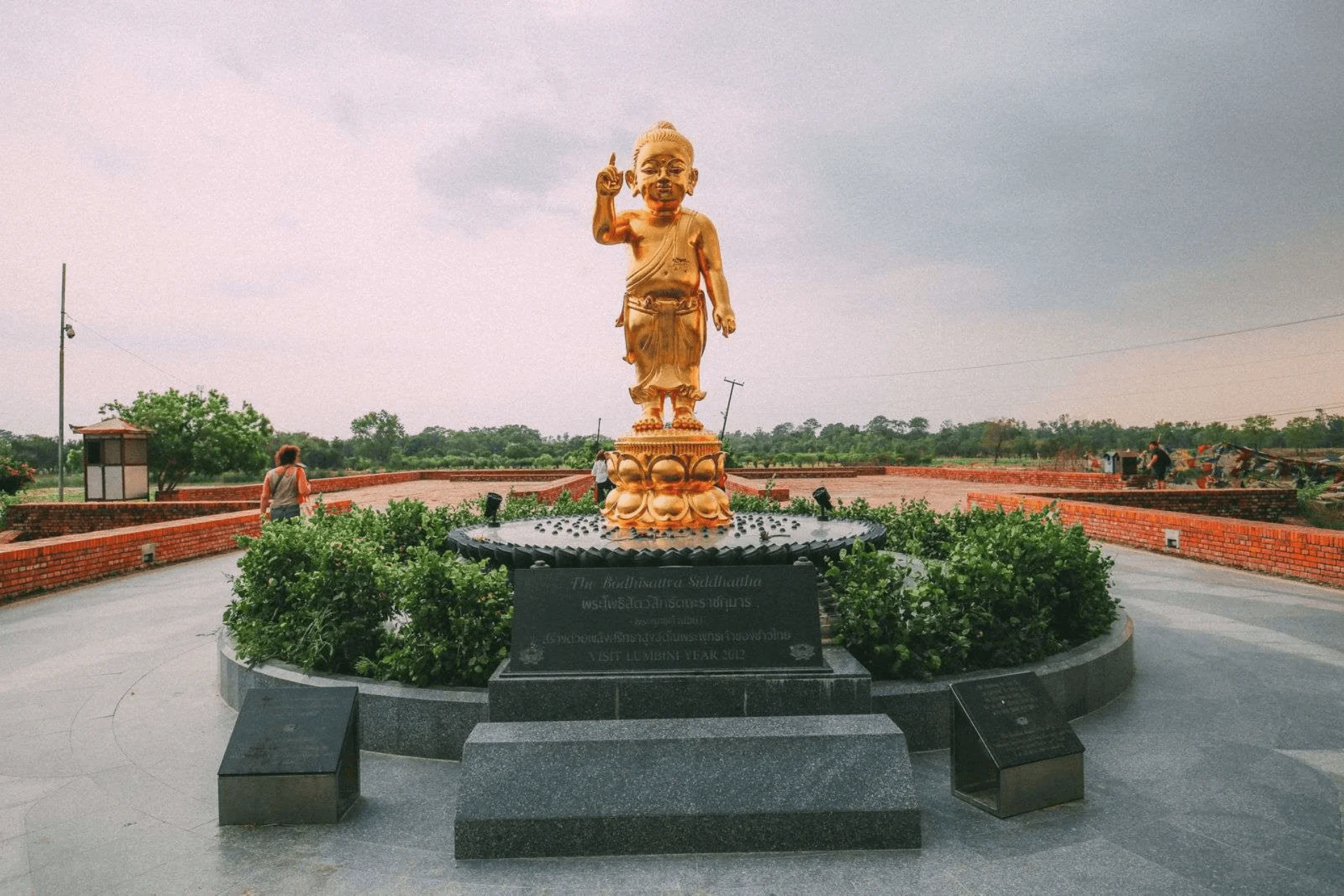
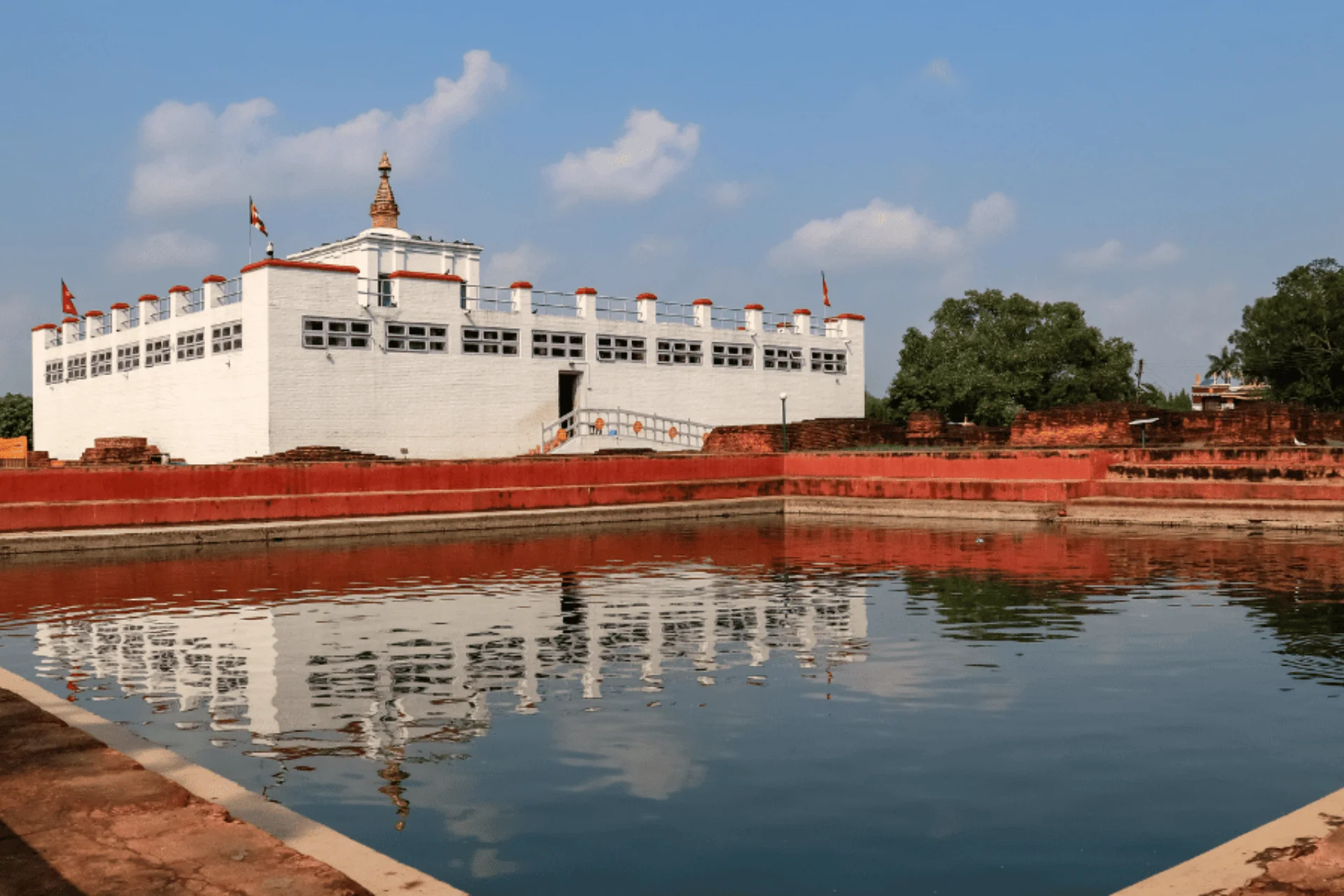
Lumbini, the birthplace of Siddhartha Gautama, who later became known as the Buddha, is a city of immense spiritual and historical significance. Located in the Rupandehi district of Nepal, near the Indian border, Lumbini is a UNESCO World Heritage Site that attracts thousands of pilgrims and tourists from around the world. A tour of Lumbini offers a profound journey through the early life of the Buddha, a rich tapestry of Buddhist culture and serene natural beauty. The pilgrimage to Lumbini typically starts with a visit to the sacred Lumbini Garden which houses the key sites associated with the birth of Buddha. The most important landmark here is the Maya Devi Temple, named after Buddha’s mother. This ancient temple marks the exact spot where Queen Maya Devi gave birth to Siddhartha Gautama around 563 BCE. Within the temple, visitors can see the precise birthplace marked by a stone slab and the sacred pond where Queen Maya Devi is believed to have taken a ritual dip before the birth. The serene and contemplative ambiance of the temple allows visitors to reflect on the historical and spiritual importance of the site. Adjacent to the Maya Devi Temple is the Ashoka Pillar, erected by the Emperor Ashoka of India in 249 BCE during his pilgrimage to Lumbini. The pillar bears inscriptions in Brahmi script, confirming the site as the birthplace of Buddha and showcasing Ashoka’s dedication to spreading Buddhism. The presence of this ancient monument underscores the long-standing historical recognition of Lumbini’s significance.
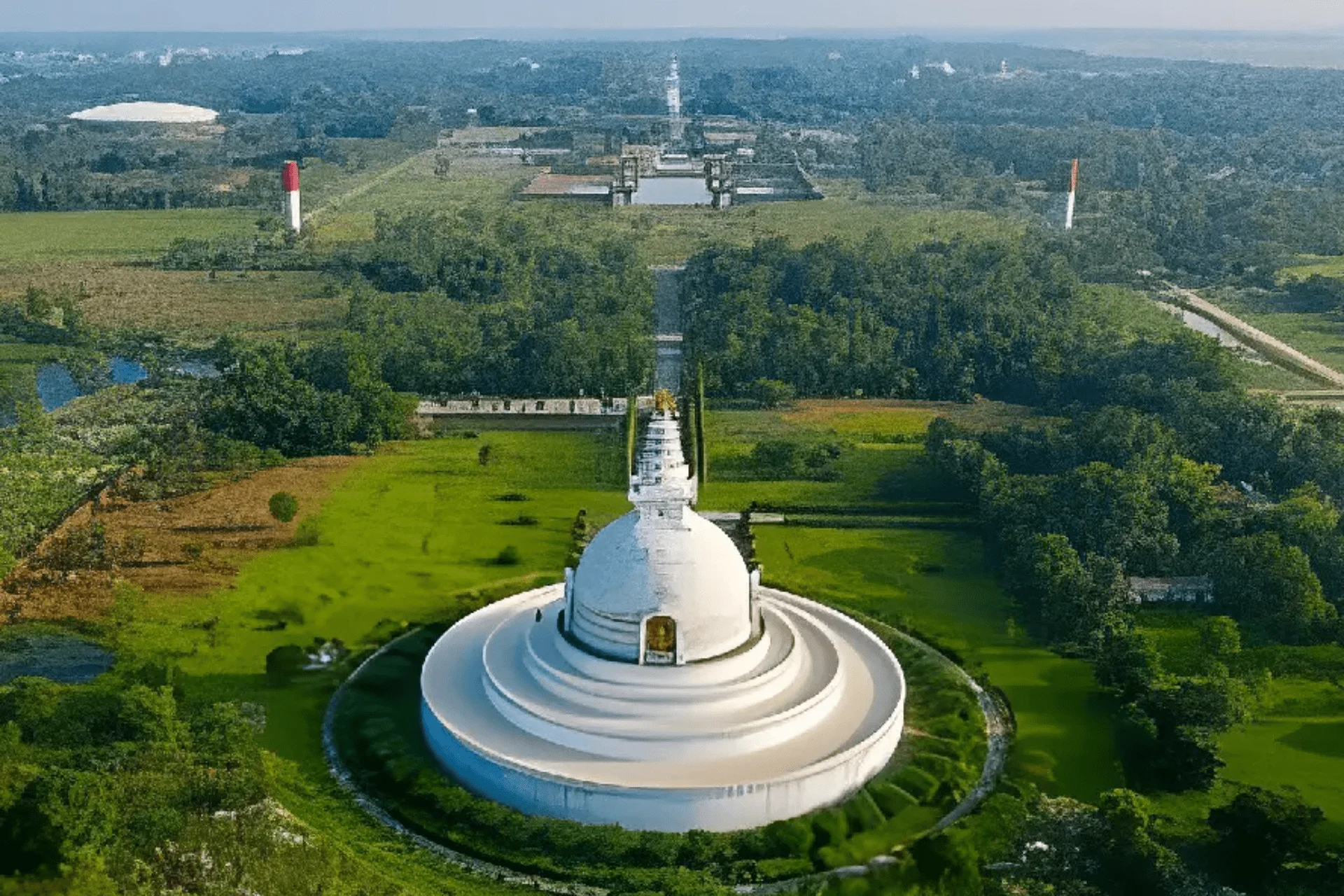
Surrounding the central complex, the Lumbini Development Zone is dotted with monasteries and temples built by Buddhist communities from various countries, each reflecting unique architectural styles and cultural elements. The impressive Thai Monastery, the serene Cambodian Monastery and the striking Korean Temple are among the many international establishments that contribute to Lumbini’s rich and diverse spiritual landscape. These monasteries not only offer a place for worship and meditation but also provide a glimpse into the global nature of Buddhism. A tranquil stroll through the Sacred Garden with its well-manicured lawns, serene water bodies and shaded pathways enhances the spiritual experience. The garden is designed to symbolize peace and enlightenment, making it an ideal place for meditation and quiet reflection. The Eternal Peace Flame located in the garden symbolizes the continuous quest for peace and harmony, resonating with the teachings of Buddha. Another significant site within Lumbini is the World Peace Pagoda, a towering white stupa built by Japanese Buddhists. This pagoda serves as a symbol of universal peace and offers panoramic views of the Lumbini area providing a peaceful spot for contemplation and offering stunning photographic opportunities.
Lumbini also features the Lumbini Museum, which houses an extensive collection of artifacts including ancient manuscripts, religious texts and relics related to the life of Buddha and the history of Buddhism. The museum provides valuable insights into the evolution of Buddhist art and culture, enhancing the educational aspect of the visit. A tour of Lumbini is a deeply enriching experience that combines spiritual reflection, historical exploration and cultural immersion. The city’s profound connection to the life of Buddha, its diverse array of international monasteries and its tranquil natural beauty make it a unique and compelling destination. Whether one is a devout pilgrim, a student of history, or simply a traveler seeking peace and inspiration, Lumbini offers a timeless journey into the heart of Buddhist heritage and the universal quest for enlightenment.
Highlights
- Maya Devi Temple
- Sacred Garden
- Pilgrimage Sites
- Ashoka Pillar
- Monastic Zone
- Lumbini Museum
- Cultural Performances
Cost Includes:
- Accommodation
- Meals
- Transportation
- Guide and Support Staff
- Sightseeing
Cost Excludes:
- International Airfare
- Visa Fees
- Personal Expenses
- Travel Insurance
- Optional Activities
- Tips and Gratuities
- Equipment and Gear
- Cost Due To Unforeseen Events
Note: The cost for each trip may vary based on the selected itinerary, the duration of the trip, and any personal preferences you may have.
Guidelines/Information
Best Time to Visit
Autumn (September to November): Pleasant weather with clear skies.
Spring (March to May): Warm temperatures and blooming flowers.
Winter (December to February): Cooler temperatures, suitable for walking and exploring.
Transportation
By Air: Fly to Gautam Buddha Airport in Bhairahawa, then take a taxi or bus to Lumbini (approximately 22 km).
By Road: Lumbini is accessible by bus or car from Kathmandu (about 260 km).
Accommodation
Hotels and Guesthouses: Various options available near the Lumbini Development Zone.
Main Attractions
- Maya Devi Temple
- Sacred Garden
- Monastic Zone
- Ashoka Pillar
- Lumbini Museum
- World Peace Pagoda
What to Pack
Clothing: Light, comfortable clothes. Modest attire for visiting religious sites. Warm clothes if visiting in winter.
Footwear: Comfortable walking shoes.
Essentials: Sunhat, sunglasses, sunscreen, insect repellent, reusable water bottle.
Health and Safety
Hydration: Drink bottled or purified water.
Medical Kit: Carry a basic first-aid kit and any personal medications.
Local Advice: Follow local guidelines and respect cultural norms.
Cultural Etiquette
Respectful Dress: Wear modest clothing, especially in temples and monasteries.
Photography: Always ask for permission before taking photos of people or inside religious buildings.
Behavior: Be quiet and respectful in sacred areas. Remove shoes when entering temples.
Environmental Responsibility
Waste Management: Dispose of waste properly and minimize the use of plastic.
Conservation: Respect the natural and historical sites; do not disturb wildlife or remove artifacts.
Travel Tips
Transport: Use rickshaws, bicycles, or walk within the Lumbini Development Zone for an eco-friendly and immersive experience.
Lumbini is the birthplace of Siddhartha Gautama, who later became known as Gautama Buddha, the founder of Buddhism. It is a UNESCO World Heritage Site and one of the most important pilgrimage destinations for Buddhists around the world.
By Air: The nearest airport is Gautam Buddha International Airport in Bhairahawa, about 22 kilometers from Lumbini. There are domestic flights from Kathmandu to Bhairahawa. From the airport, you can take a taxi or bus to Lumbini.
By Road: Lumbini is accessible by bus or car from Kathmandu. The drive from Kathmandu takes approximately 8-10 hours.
- Autumn (September-November): Pleasant weather and clear skies.
- Spring (March-May): Mild temperatures and blooming flowers.
- Avoid Monsoon (June-August): Due to heavy rains and hot, humid weather.
- Winter (December-February): Cool and dry, suitable for sightseeing.
- Lightweight and comfortable clothing
- Modest attire for visiting religious sites
- Comfortable walking shoes
- Sunscreen, sunglasses and a hat
- Reusable water bottle
- Camera or smartphone for photos
- Maya Devi Temple: The main temple marking the exact birthplace of Buddha.
- Sacred Garden: Houses the Ashokan Pillar and the sacred pond where Queen Maya Devi is believed to have bathed before giving birth.
- Lumbini Museum: Displays artifacts related to the life of Buddha and the history of Lumbini.
- World Peace Pagoda: A stupa built by Japanese Buddhists promoting peace.
- Monastic Zone: Features monasteries and temples built by Buddhist communities from around the world.
Yes, Lumbini offers a range of accommodations from budget guesthouses to mid-range hotels and a few luxury options.
Lumbini has several restaurants and cafes offering a variety of cuisines including traditional Nepali, Indian, Tibetan and international dishes.
Yes, Lumbini is suitable for all age groups. The area is generally flat and easily walkable and the tranquil environment is ideal for a peaceful visit.
- Pilgrimage and Meditation: Visit sacred sites and meditate in peaceful surroundings.
- Cultural Tours: Explore the diverse monasteries and learn about different Buddhist traditions.
- Biking: Rent a bicycle to explore the extensive monastic zone and surrounding areas.
- Bird Watching: The wetlands and gardens around Lumbini are home to various bird species.
A typical visit to Lumbini can range from one to three days, depending on your interest in exploring the sacred sites, monasteries and surrounding areas.
- Dress modestly, especially when visiting religious sites.
- Remove shoes before entering temples and monasteries.
- Be respectful and quiet in meditation areas.
- Ask for permission before taking photographs of people, especially monks and nuns.
Yes, Lumbini is safe for tourists. However, take standard travel precautions such as safeguarding your belongings and avoiding isolated areas after dark.
- Carry reusable water bottles and avoid single-use plastics.
- Follow the “Leave No Trace” principles.
- Support local businesses and purchase souvenirs from local artisans.
- Respect wildlife and natural habitats.
- Spring (March-May): Warm and pleasant.
- Summer (June-August): Hot and humid with monsoon rains.
- Autumn (September-November): Clear and mild.
- Winter (December-February): Cool and dry, with temperatures ranging from mild to cold.
Trip Start & End | Kathmandu – Kathmandu | Meals | Breakfast, Lunch and Dinner |
Maximum Altitude | 150m Lumbini | Difficulty Level | Light |
Transportation | Flight, Car, Jeep, Bus | Best season | All Seasons |
Accommodation | Hotel, Guest House | Trip Area | Rupandehi District |
→ Departure from Kathmandu or nearby city: Travel to Lumbini by road or air. The journey may take around 7-8 hours by road or a short flight, depending on your starting point.
→ Check-in: Arrive in Lumbini and check into your hotel or accommodation.
→ Lunch: Have lunch at a local restaurant or your hotel.
→ Orientation: Get acquainted with the surroundings and the layout of Lumbini, as well as the historical and cultural significance of the site.
→ Explore Lumbini Park: Take a leisurely walk through Lumbini Park, a beautifully landscaped area surrounding the main pilgrimage site.
→ Dinner: Enjoy dinner at your hotel or a nearby restaurant.
→ Overnight: Lumbini
→ Maya Devi Temple: Start your day by visiting the Maya Devi Temple, the most sacred site in Lumbini, marking the exact spot where Lord Buddha was born. Explore the temple and its surroundings including the marker stone and the ancient ruins.
→ Ashoka Pillar: See the Ashoka Pillar, erected by Emperor Ashoka in the 3rd century BCE to commemorate his visit to Lumbini and his support for Buddhism.
→ Lumbini Museum: Visit the Lumbini Museum to learn about the history of Buddhism, the life of Lord Buddha and the archaeological discoveries in the area.
→ World Peace Pagoda: Explore the World Peace Pagoda, built by Japanese Buddhists which symbolizes peace and harmony.
→ Lunch: Have lunch at a local restaurant.
→ Explore Monasteries: Visit the various monasteries built by different countries in the International Monastic Zone, each showcasing unique architectural styles and cultural traditions.
→ Dharma Swami Maharaja Buddha Vihar: Explore this beautiful monastery, which houses a large prayer hall and beautiful gardens.
→ Sunset Meditation: Find a serene spot in Lumbini Park to meditate and reflect as the sun sets, soaking in the peaceful atmosphere.
→ Dinner: Enjoy dinner at your hotel or a nearby restaurant.
→ Overnight: Lumbini
→ Leisure Time: Spend the morning at your leisure, perhaps taking a final stroll through Lumbini Park or visiting any sites you may have missed.
→ Souvenir Shopping: Explore the local shops for Buddhist artifacts, souvenirs and handicrafts.
→ Departure: Check out from your hotel and depart from Lumbini.
→ Return to Kathmandu or Next Destination: Travel back to Kathmandu or your next destination by road or air, depending on your itinerary.
→ Overnight: Depending on your travel plans, you may stay in Kathmandu or your next destination.
Related Trips