Gosainkunda: The Sacred Lake of Spiritual Renewal
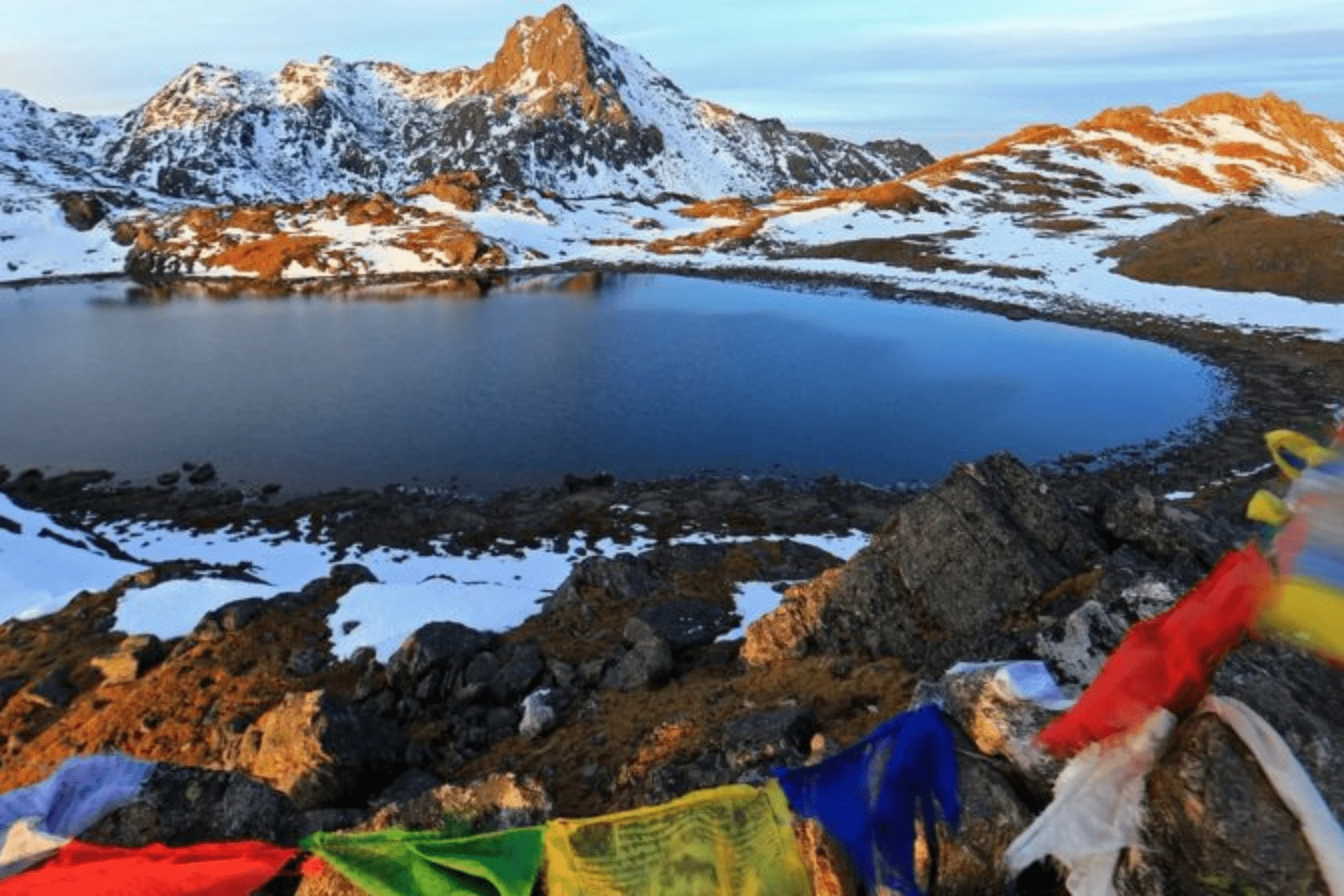
High in the majestic Langtang Himalayas of Nepal, nestled amidst towering peaks and alpine meadows, lies Gosainkunda, a sacred glacial lake revered by both Hindus and Buddhists. This mystical destination surrounded by rugged beauty and spiritual ambiance draws pilgrims and trekkers alike on a journey of faith, exploration, and inner peace.
The history of Gosainkunda is steeped in ancient mythology and folklore with tales of its creation intertwined with Hindu and Buddhist scriptures. According to Hindu mythology, the lake was formed by Lord Shiva himself, who thrust his trident into the ground to quench his thirst after swallowing poison during the churning of the cosmic ocean. The lake, which emerged from the depths of the earth became a sacred pilgrimage site and is believed to be the abode of Lord Shiva and his consort, Goddess Parvati.
Architecturally, Gosainkunda is a masterpiece of nature’s design with its crystal-clear waters reflecting the snow-capped peaks that surround it. The lake is surrounded by rugged cliffs, alpine meadows and rhododendron forests creating a breathtaking panorama that captivates the soul. Pilgrims and trekkers alike are drawn to its pristine beauty, seeking solace and spiritual renewal amidst the tranquility of the Himalayan wilderness.
The journey to Gosainkunda is both a physical and spiritual odyssey, as pilgrims undertake a challenging trek through rugged terrain and high mountain passes to reach the sacred lake. Along the way, they encounter ancient temples, monasteries and sacred shrines each imbued with the essence of devotion and reverence. The trek is seen as an act of faith and devotion with devotees seeking blessings and purification in the icy waters of the lake.
Gosainkunda is a center of religious activity throughout the year with festivals and rituals that draw crowds of devotees and pilgrims from across Nepal and beyond. The most significant festival celebrated at the lake is Janai Purnima, which falls on the full moon day of the Nepali month of Shrawan (July-August). During this festival, devotees gather at Gosainkunda to bathe in its holy waters, perform rituals and pay homage to Lord Shiva and Goddess Parvati.
A unique aspect of Gosainkunda is its role as a place of spiritual rejuvenation and healing. The icy waters of the lake are believed to possess medicinal properties and devotees often take holy dips to cleanse themselves of sins and ailments. This tradition of ritual bathing, known as “snan,” is an integral part of the pilgrimage experience at Gosainkunda and is believed to bring physical and spiritual well-being.
Gosainkunda is a sacred sanctuary of faith, devotion and spiritual renewal. Its pristine beauty, ancient legends and cultural significance make it a cherished symbol of Nepal’s spiritual heritage. As a haven of peace and tranquility amidst the towering peaks of the Himalayas, Gosainkunda continues to inspire and uplift, offering solace and spiritual fulfillment to all who seek its divine blessings.
Highlights
- Gosainkunda Lake
- Panoramic Mountain Views
- Scenic Landscapes
- Wildlife Encounters
- Cultural Festivals
- Cultural Immersion
Cost Includes:
- Accommodation
- Meals
- Transportation
- Guiding Service
Cost Excludes:
- Personal Equipments
- Travel Insurance
- Additional Snacks/Drinks
- Miscellaneous Personal Expenses
- Cost due to unforeseen Events
→ Drive from Kathmandu to Dhunche (approx. 6-7 hours). Enjoy the scenic drive along the Trishuli River.
→ Arrive in Dhunche. Check into a guesthouse.
→ Briefing about the trek and acclimatization.
→ Overnight stay in Dhunche.
→ Begin your trek with a gradual ascent through forests of oak, fir and rhododendron.
→ Reach Chandanbari (Sing Gompa). Visit the local cheese factory and Sing Gompa Monastery.
→ Rest and acclimatize.
→ Overnight stay in Chandanbari/Sing Gompa.
→ Continue trekking upwards. The trail offers panoramic views of the Langtang Himalayas.
→ Pass through Lauribina Yak, a good spot for acclimatization.
→ Arrive at Gosainkunda. Explore the sacred lake and nearby areas.
→ Trek back to Sing Gompa.
→ Overnight stay in Sing Gompa.
→ After breakfast, start your descent back to Dhunche.
→ Enjoy the downhill trek through the same scenic route.
→ Arrive in Dhunche. Relax and celebrate the successful pilgrimage.
→ Overnight stay in Dhunche.
→ After breakfast, drive back to Kathmandu.
→ Arrive in Kathmandu. Check into your hotel.
→ Free time to explore Kathmandu or rest.
The best time to visit Gosainkunda is during the spring (March to May) and autumn (September to November) seasons. The weather is usually clear, offering stunning views of the mountains and comfortable trekking conditions.
The Gosainkunda trek is considered to be of moderate difficulty. It involves steep ascents and descents with some high-altitude trekking. A reasonable level of fitness and some prior trekking experience are recommended.
- Clothing: Layered clothing, warm jacket, trekking pants, thermal wear, gloves, hat and rain gear.
- Footwear: Comfortable and sturdy trekking boots, woolen socks.
- Accessories: Sunglasses, sunblock, trekking poles, water bottle, headlamp and first-aid kit.
- Other Essentials: Sleeping bag, snacks, personal toiletries and any necessary medications.
Accommodation during the trek is typically in teahouses or guesthouses which provide basic amenities. Rooms are usually shared and facilities might be limited in remote areas. In Kathmandu, accommodation will be in hotels with more comfortable amenities.
Yes, you need two permits for the Gosainkunda trek
- Langtang National Park Entry Permit
- TIMS (Trekkers’ Information Management System) Card
Gosainkunda Lake is at an altitude of 4,380 meters (14,370 feet). Altitude sickness can be a concern at this elevation. It is essential to acclimatize properly, stay hydrated and ascend gradually. If you experience symptoms of altitude sickness, inform your guide immediately.
Teahouses and guesthouses along the trekking route offer a variety of meals including traditional Nepali dishes, Tibetan bread, soups, rice and noodles. Vegetarian options are widely available. It is advisable to carry some snacks and energy bars.
Mobile network coverage is limited and unreliable in higher altitudes and remote areas. It is best to inform your family and friends about potential communication blackouts during the trek.
- Get a thorough medical check-up before the trek.
- Carry a first-aid kit and any personal medications.
- Stay hydrated and avoid alcohol.
- Follow your guide’s advice and acclimatization schedules.
- Purchase travel insurance that covers high-altitude trekking and emergency evacuation.
Yes, most trekking agencies offer customizable itineraries to suit your preferences, fitness level and time constraints. Discuss your requirements with the agency to create a tailored itinerary.