Upper Mustang Trek
Trip Overview
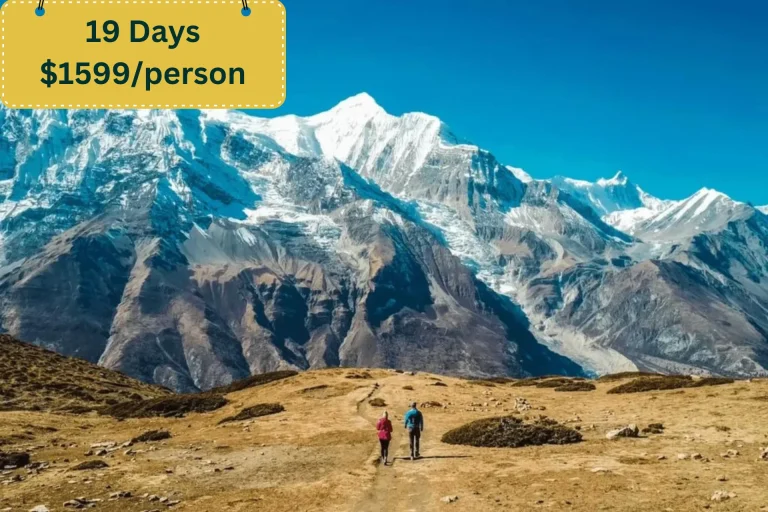
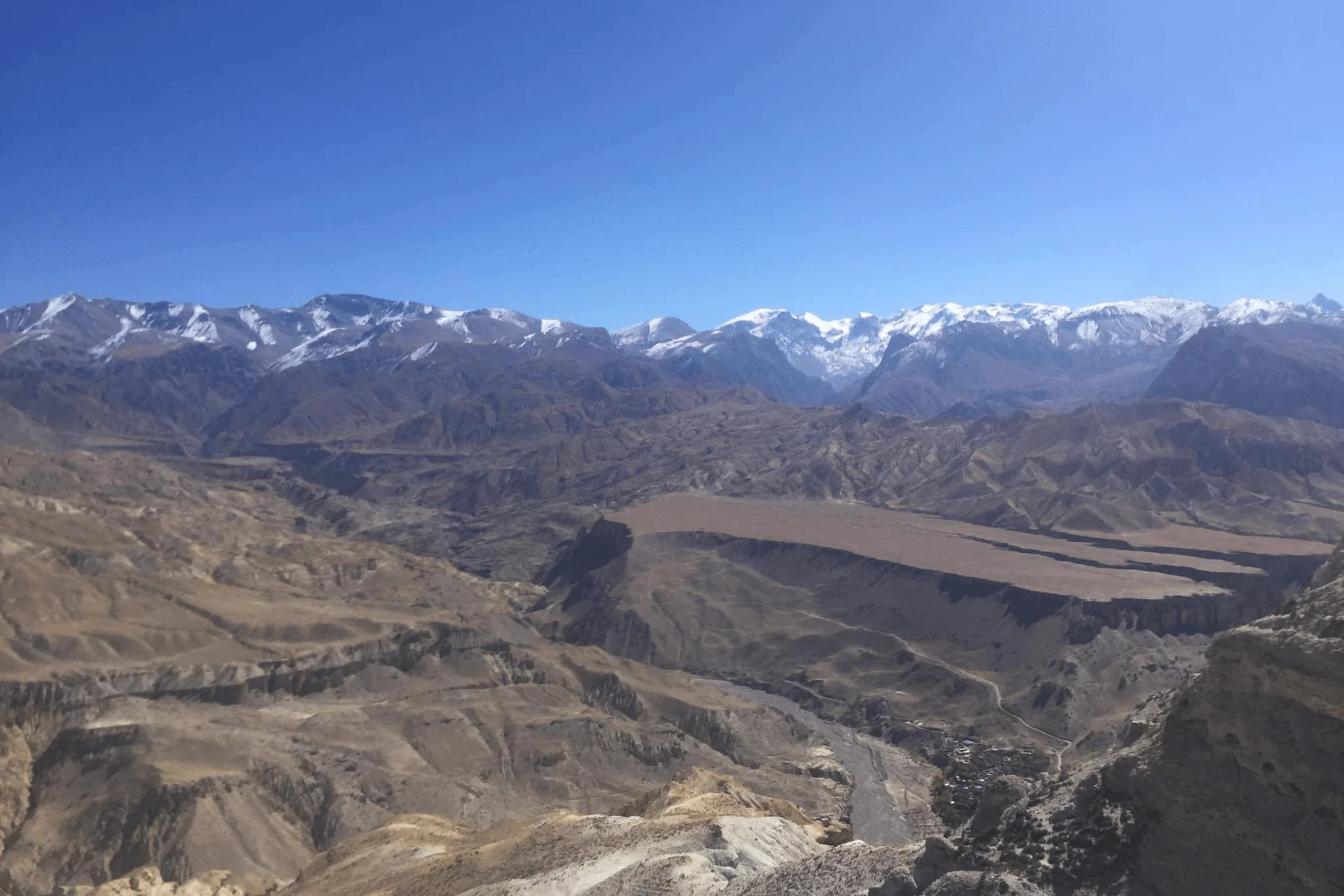
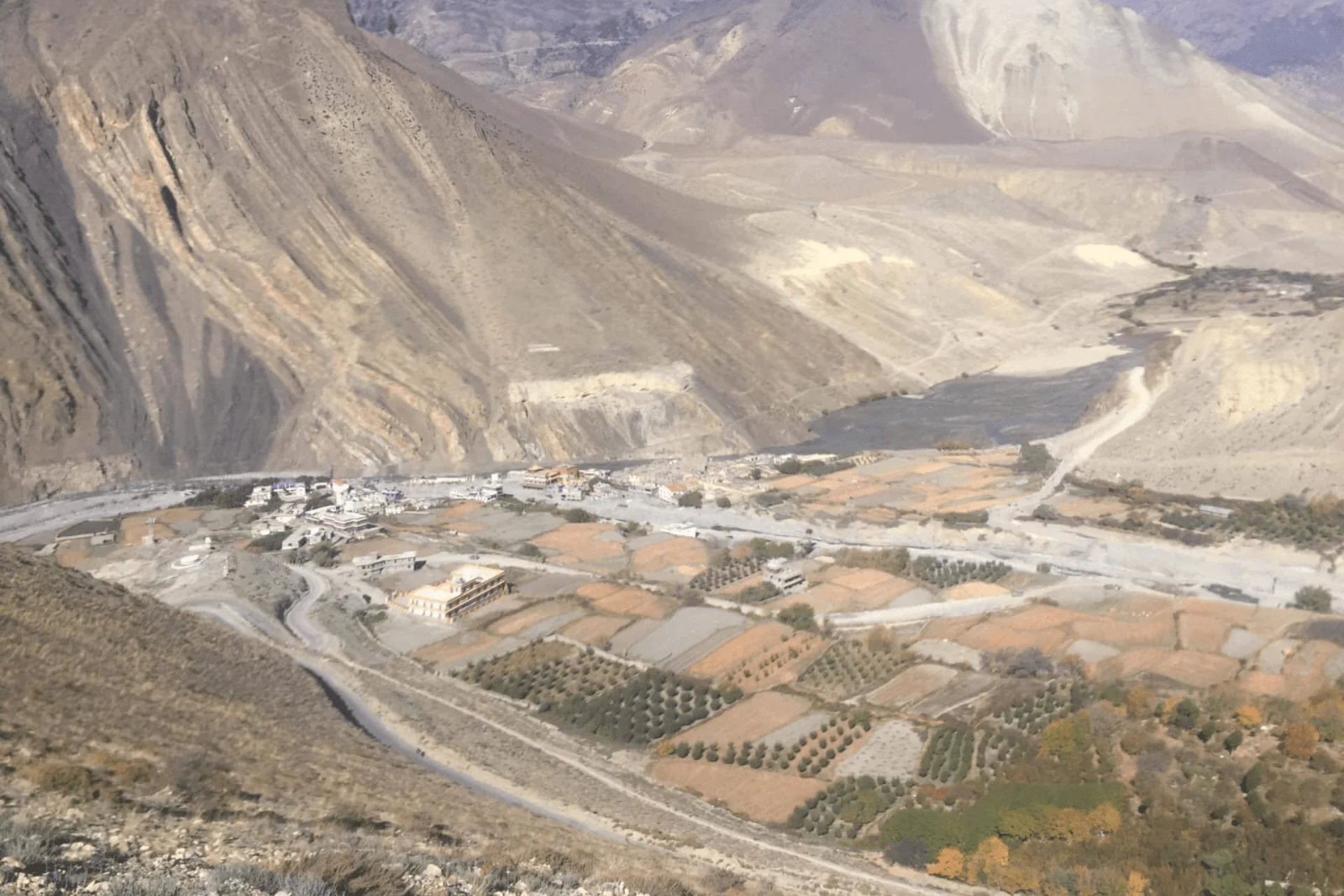
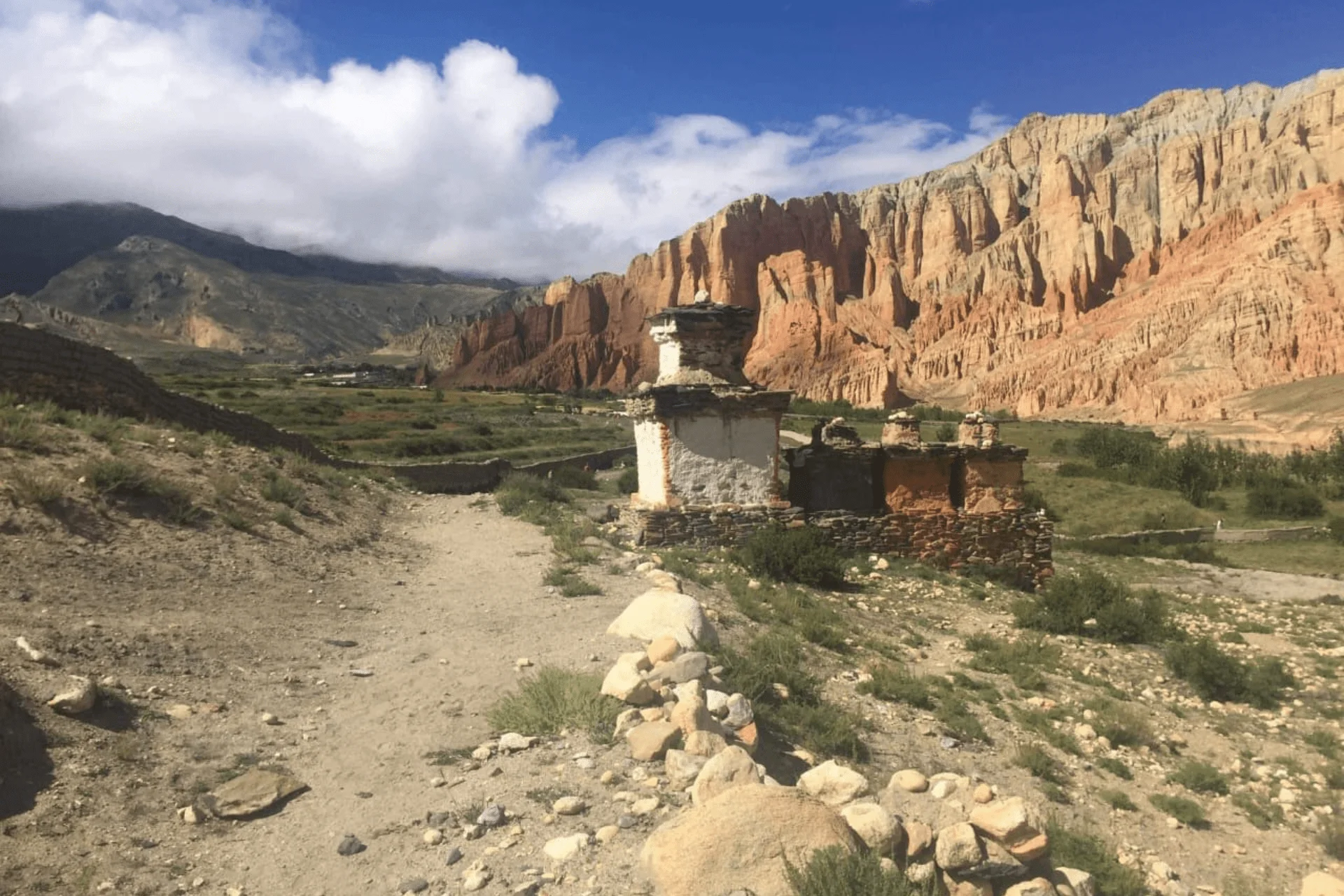
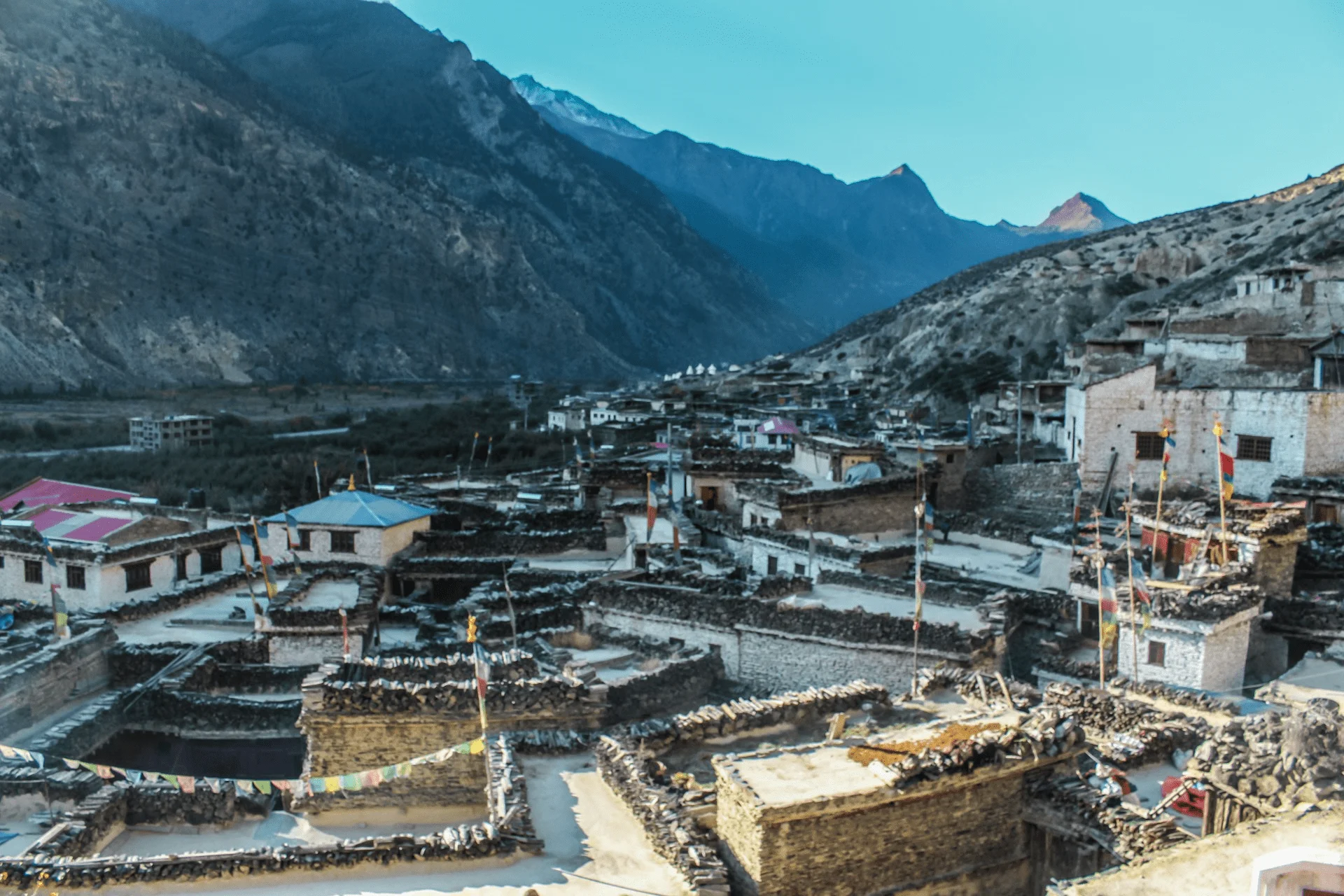
The Upper Mustang Trek offers a unique and culturally rich journey through the remote and mystical region of Mustang, nestled in the rain shadow of the Annapurna and Dhaulagiri mountain ranges in Nepal. This trek provides a rare opportunity to explore a landscape reminiscent of Tibet with its stark, arid terrain, ancient monasteries and traditional Tibetan Buddhist culture. Restricted until 1992 and still requiring a special permit, Upper Mustang retains its aura of mystique and isolation, making it a truly off-the-beaten-path destination for intrepid trekkers. The trek typically begins with a scenic flight from Pokhara to Jomsom, a bustling town in the Kali Gandaki Valley. From here, the trail follows the ancient salt caravan route, passing through windswept valleys, barren cliffs and rugged terrain dotted with picturesque villages. Along the way, trekkers are treated to breathtaking views of snow-capped peaks including Nilgiri, Annapurna and Dhaulagiri, towering in the distance. The cultural highlights of the trek include visit to traditional Tibetan villages such as Kagbeni, Lo Manthang and Tsarang where ancient monasteries, chortens and whitewashed mud-brick houses adorned with prayer flags offer glimpses into a bygone era. Trekkers have the opportunity to interact with friendly locals, learn about their unique customs and traditions and witness colorful festivals and religious ceremonies that have been celebrated for centuries.
One of the most iconic landmarks along the trek is the walled city of Lo Manthang, the former capital of the Kingdom of Mustang. This ancient fortress town is to the imposing Mustang Palace as well as several centuries-old monasteries including the Thubchen Gompa and Jampa Lhakhang, adorned with exquisite murals, statues and religious artifacts. The trek culminates with a visit to the secluded village of Drakmar, renowned for its unique landscape of red cliffs and rock formations, before looping back to Jomsom via Ghiling and Kagbeni. Throughout the journey, trekkers are immersed in the timeless beauty and cultural heritage of Upper Mustang, creating memories that will last a lifetime. The Upper Mustang Trek offers a truly unforgettable adventure for those seeking to explore a hidden gem of the Himalayas, where ancient traditions, breathtaking landscapes and warm hospitality converge to create an experience unlike any other.
Highlights
- Lo Manthang
- Tibetan Culture
- Panoramic Views
- Ancient Cave Dwellings
- Restricted Area
- Local Hospitality
- Challenges and Rewards
- Photographic Opportunities
Cost Includes:
- Trekking Permits
- Transportation
- Accommodation during trek *
- Guide and Porter
- Meals during trek *
- First Aid Kit
- Taxes and Fees
- Insurance for Guide And Porter
- Airport pick up and drop off
Cost Excludes:
- International Flights
- Visa fees
- Travel Insurance
- Personal Expenses
- Additional Services
- Alcoholic Beverages
- Extra Accommodation
- Cost Due To Unforeseen Events
* The cost for each trip may vary based on the selected itinerary, the duration of the trip, and any personal preferences you may have. During treks, your package includes accommodation with breakfast, lunch, and dinner. However, for your stay in major cities, accommodation is provided at a hotel where only breakfast is included, served by the hotel itself.
Permits
Obtain the necessary permits for the trek. You will need the Restricted Area Permit for Upper Mustang, which can be obtained through a registered trekking agency in Kathmandu or Pokhara. You will also need the Annapurna Conservation Area Permit (ACAP) and the Trekker’s Information Management System (TIMS) card.
Itinerary
Plan your itinerary carefully considering factors like your fitness level, acclimatization needs and time constraints. The standard Upper Mustang Trek usually takes about 10 to 14 days, depending on the specific route and side trips. It’s essential to include rest/acclimatization days to prevent altitude sickness.
Season
The best time to trek in Upper Mustang is during the spring (March to May) and autumn (September to November) seasons when the weather is generally stable and the skies are clear. These months offer optimal trekking conditions and breathtaking views of the mountains.
Accommodation
Along the Upper Mustang Trek, you’ll find basic teahouses (lodges) and camping grounds. Teahouses offer simple accommodation and meals, while camping gives you more flexibility but requires carrying additional camping gear. Since this is a remote trekking route, be prepared for basic facilities and limited options.
Food and Water
Stay hydrated by drinking plenty of purified water throughout the trek. While bottled water is available at teahouses, it’s more environmentally friendly to use water purification tablets or a portable water filter. Enjoy hearty meals at teahouses, which typically serve a variety of local and international dishes.
Responsible Trekking
Practice responsible trekking by minimizing your environmental impact. Carry out all your trash and dispose of it properly at designated waste collection points. Respect local culture, customs and wildlife along the trail.
Altitude Acclimatization
Proper acclimatization is crucial for avoiding altitude sickness. Upper Mustang Trek involves significant altitude gain so ascend gradually, drink plenty of water and take breaks as needed. Familiarize yourself with the symptoms of altitude sickness and know when to seek medical assistance if necessary.
Physical Fitness
The Upper Mustang Trek is considered moderate in terms of difficulty involving long days of hiking with some steep ascents and descents. Prior physical fitness preparation including regular cardio exercises, strength training and hiking with a loaded backpack will help you endure the challenging terrain.
Packing
Pack light but smartly carrying essential items such as sturdy hiking boots, a down jacket, thermal layers, gloves, a hat, sunglasses, sunscreen, a first aid kit and a reusable water bottle. It’s also advisable to pack lightweight, quick-drying clothing and trekking poles for added stability.
Emergency Preparedness
Familiarize yourself with emergency procedures and evacuation routes. Carry a fully charged phone with emergency contacts saved and consider purchasing travel insurance that covers trekking at high altitudes.
The Upper Mustang Trek is a unique trekking route in the Mustang region of Nepal, offering a fascinating journey into the remote and culturally rich Tibetan-influenced landscapes of the former Kingdom of Lo. It is known for its stark desert-like terrain, ancient cave dwellings, monasteries and unique Tibetan Buddhist culture.
The typical duration for the Upper Mustang Trek is around 10 to 14 days, depending on the specific itinerary and acclimatization needs. However, shorter or longer itineraries are possible depending on your preferences.
The best time to trek in Upper Mustang is during the pre-monsoon (March to May) and post-monsoon (September to November) seasons. These months offer stable weather, clear skies and comfortable temperatures making for ideal trekking conditions.
Yes, trekking in Upper Mustang requires special permits due to its restricted area status. You will need the Restricted Area Permit, Annapurna Conservation Area Permit (ACAP) and Trekkers Information Management System(TIMS) card which can be obtained through a registered trekking agency in Kathmandu.
The Upper Mustang Trek is considered moderately challenging. While the trek itself involves moderate hiking with some gradual ascents and descents, the challenge lies in the high altitude and remote terrain. Good physical fitness and prior trekking experience are recommended.
Accommodation along the Upper Mustang Trek mainly consists of basic teahouses (lodges) in the villages along the trail. Teahouses provide simple lodging and meals including traditional Tibetan and Nepali cuisine.
Altitude sickness is a potential risk when trekking at high altitudes. It’s important to acclimatize properly, stay hydrated and be aware of the symptoms of altitude sickness. The trek itinerary typically includes rest/acclimatization days to minimize these risks.
Essential items to pack for the Upper Mustang Trek include sturdy hiking boots, warm clothing layers, a down jacket, gloves, a hat, sunglasses, sunscreen, a first aid kit, trekking poles and a reusable water bottle. Additionally, carry any personal medication and a camera to capture the stunning landscapes.
Preparation for the Upper Mustang Trek involves physical conditioning including cardiovascular exercises, strength training and hiking practice with a loaded backpack. Familiarize yourself with the trek itinerary, altitude considerations and essential trekking gear to ensure a safe and enjoyable experience.
Yes, comprehensive travel insurance that covers high-altitude trekking, medical emergencies and evacuation is highly recommended.
Trip Start & End | Kathmandu – Kathmandu | Meals | Breakfast, Lunch and Dinner |
Maximum Altitude | 3840m Lo Manthang | Difficulty Level | Moderate |
Transportation | Flight, Jeep, Bus | Best season | Sept-Nov, Mar-May |
Accommodation | Hotels, Resorts & Lodges | Trip Area | Gandaki Province |
→ Activity: Arrive in Kathmandu and transfer to the hotel.
→ Overnight: Stay in Kathmandu.
→ Activity: Guided sightseeing tour of Kathmandu’s UNESCO World Heritage Sites such as Pashupatinath Temple, Swayambhunath Stupa, Boudhanath Stupa and Kathmandu Durbar Square. Briefing and trek preparation.
→ Overnight: Stay in Kathmandu.
→ Travel: Fly from Kathmandu to Pokhara (25 minutes). Drive from Kathmandu to Pokhara (6-7 hours)
→ Activity: Explore Pokhara, visit Phewa Lake, and enjoy views of the Annapurna range.
→ Overnight: Stay in Pokhara.
→ Travel: Fly from Pokhara to Jomsom (20 minutes).
→ Trek: Trek from Jomsom to Kagbeni (3-4 hours).
→ Overnight: Stay in Kagbeni.
→ Trek: Trek from Kagbeni to Chele (5-6 hours).
→ Overnight: Stay in Chele.
→ Trek: Trek from Chele to Syanbochen (6-7 hours).
→ Overnight: Stay in Syanbochen.
→Trek: Trek from Syanbochen to Ghaymi (5-6 hours).
→ Overnight: Stay in Ghaymi.
→ Trek: Trek from Ghaymi to Charang (4-5 hours).
→ Overnight: Stay in Charang.
→ Trek: Trek from Charang to Lo Manthang (4-5 hours).
→ Overnight: Stay in Lo Manthang.
→ Activity: Rest and exploration day in Lo Manthang.
→ Overnight: Stay in Lo Manthang.
→ Trek: Trek from Lo Manthang to Drakmar (6-7 hours).
→ Overnight: Stay in Drakmar.
→ Trek: Trek from Drakmar to Ghiling (5-6 hours).
→ Overnight: Stay in Ghiling.
→ Trek: Trek from Ghiling to Chhuksang (5-6 hours).
→ Overnight: Stay in Chhuksang.
→ Trek: Trek from Chhuksang to Jomsom (6-7 hours).
→ Overnight: Stay in Jomsom.
→ Travel: Fly from Jomsom to Pokhara (20 minutes).
→ Activity: Relax and explore Pokhara.
→ Overnight: Stay in Pokhara.
→ Travel: Drive (6-7 hours) or fly (25 minutes) from Pokhara to Kathmandu.
→ Activity: Enjoy a farewell dinner in Kathmandu.
→ Overnight: Stay in Kathmandu.
→ Depending on your flight schedule, transfer to the airport for your departure from Kathmandu.
Related Treks