Manaslu Tsum Valley
Trip Overview
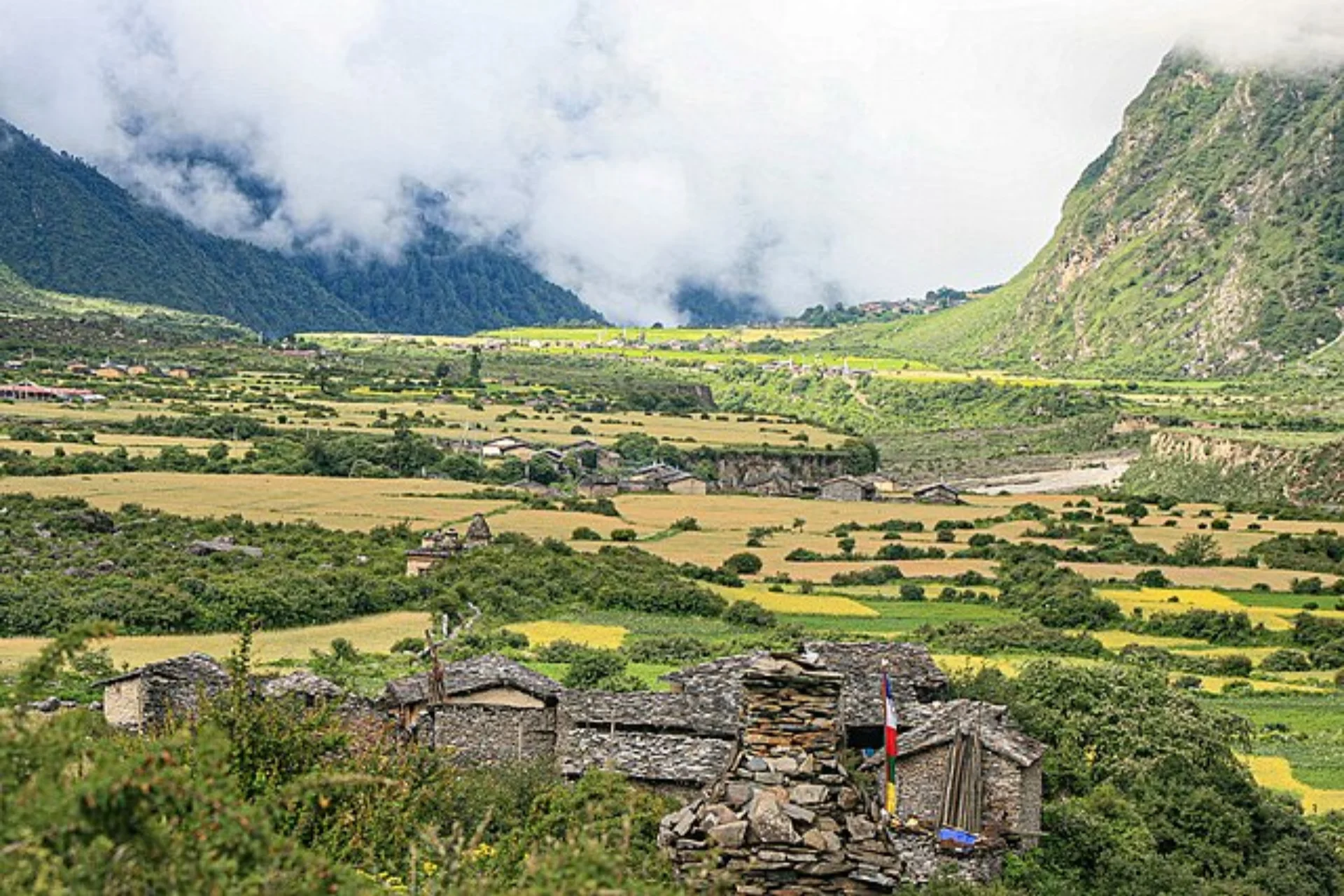
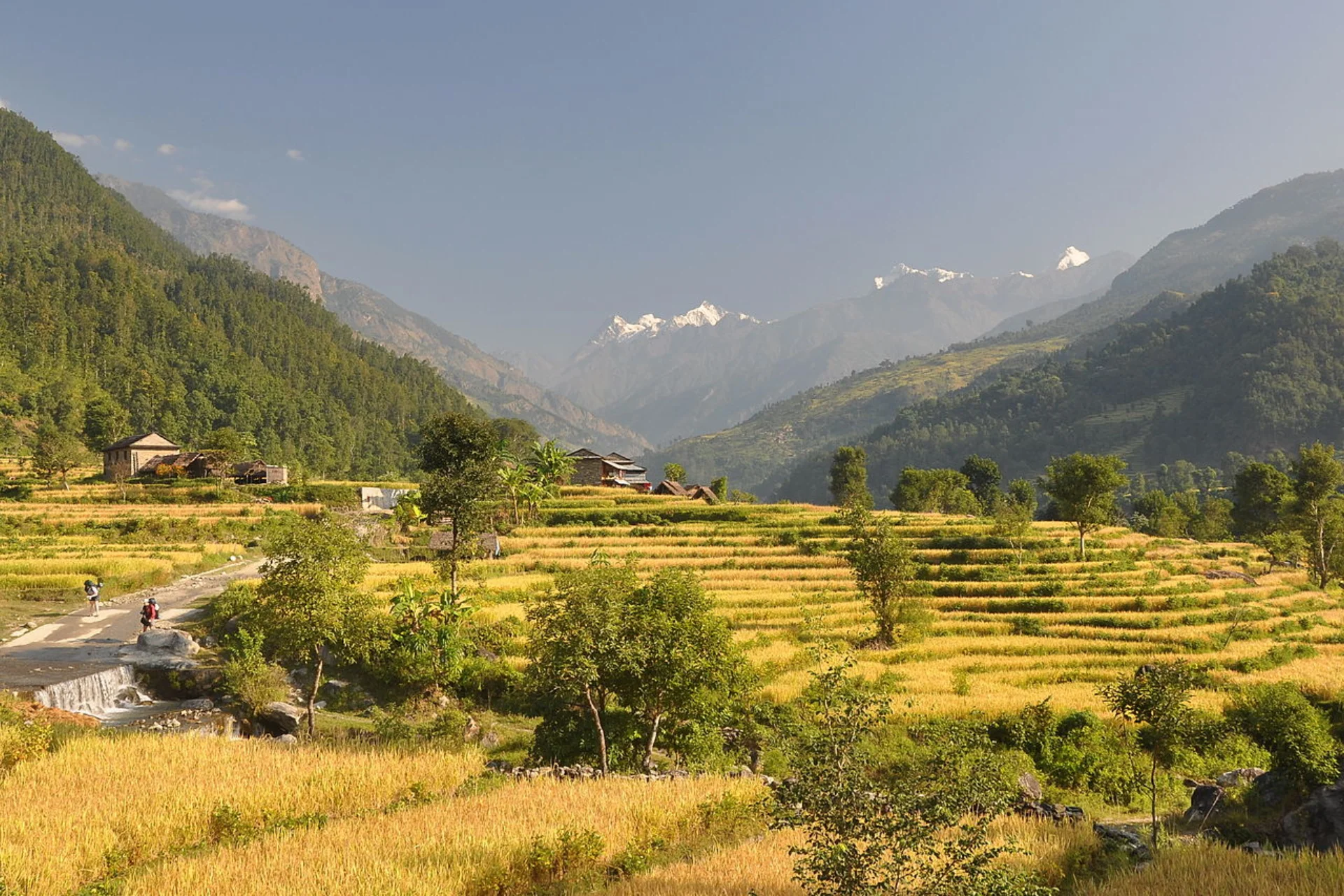
The Manaslu Tsum Valley Trek is a captivating journey through one of Nepal’s less-visited but incredibly scenic and culturally rich regions. This trek combines the dramatic mountain landscapes of the Manaslu region with the remote and tranquil beauty of the Tsum Valley. Beginning in the town of Arughat, the trek follows a trail that gradually ascends through lush forests and terraced fields, offering breathtaking views of the Ganesh Himal and surrounding peaks. As the path climbs higher, trekkers are greeted with awe-inspiring vistas of Mount Manaslu, the eighth-highest peak in the world. The trek meanders through charming villages where traditional Tibetan culture is preserved and the local inhabitants follow ancient customs and practices.
One of the highlights of the trek is the Tsum Valley. This hidden valley, often referred to as a “cultural jewel,” provides a rare glimpse into a way of life that has changed little over the centuries. Visitors can explore ancient monasteries such as Mu Gompa and Rachen Gompa which are integral to the valley’s spiritual life. The valley’s peaceful atmosphere and stunning landscapes, characterized by high-altitude meadows and rugged terrain offer a tranquil contrast to the more frequented trekking routes.
The trek also includes a challenging yet rewarding ascent to Manaslu Base Camp, where trekkers can enjoy panoramic views of the towering Manaslu massif and its surrounding peaks. Crossing the high passes of the trek such as the Larkya La Pass, adds an adventurous element to the journey providing breathtaking vistas and a sense of achievement. Overall, the Manaslu Tsum Valley Trek is a memorable experience that combines natural beauty, cultural richness and a sense of adventure, making it a standout trek in the Himalayas.
- Scenic Beauty
- Cultural Experience
- Manaslu Base Camp
- Tsum Valley
- Buddhist Monasteries
- Wildlife and Flora
- Adventure and Challenge
Cost Includes:
- Trekking Permits
- Transportation
- Accommodation during trek *
- Guide and Porter
- Meals during trek *
- First Aid Kit
- Taxes and Fees
- Insurance for Guide And Porter
- Airport pick up and drop off
Cost Excludes:
- International Flights
- Visa fees
- Travel Insurance
- Personal Expenses
- Additional Services
- Alcoholic Beverages
- Extra Accommodation
- Cost Due To Unforeseen Events
* The cost for each trip may vary based on the selected itinerary, the duration of the trip, and any personal preferences you may have. During treks, your package includes accommodation with breakfast, lunch, and dinner. However, for your stay in major cities, accommodation is provided at a hotel where only breakfast is included, served by the hotel itself.
Permits
You need the Manaslu Conservation Area Permit (MCAP), the Annapurna Conservation Area Permit (ACAP), the Tsum Valley Restricted Area Permit and (Trekkers Information Management System) card. Ensure you obtain these permits before starting the trek.
Best Time to Trek
The ideal seasons for this trek are spring (March to May) and autumn (September to November), when the weather is generally stable and clear.
Altitude Acclimatization
Acclimatization is crucial due to the high altitude. Follow the itinerary closely, allowing for rest days and gradual ascent to minimize the risk of altitude sickness.
Physical Fitness
This trek requires a good level of physical fitness. Prepare with regular cardiovascular and strength training exercises before your trip.
Weather Conditions
Weather can be unpredictable, especially in high-altitude areas. Be prepared for cold temperatures and possible snow or rain and pack appropriate clothing.
Packing List
Essential items include warm clothing, a good quality sleeping bag, trekking boots, rain gear, sun protection (hat, sunglasses, sunscreen) and a first aid kit. Also, bring enough water purification tablets or a filter.
Accommodation
Lodging is typically in teahouses or guesthouses along the trek. Facilities are basic but comfortable with communal dining and sleeping areas.
Food and Water
Meals are generally provided at guesthouses with a variety of local and some international dishes. Ensure you drink only boiled or purified water to avoid waterborne illnesses.
Respect Local Culture
The Tsum Valley has a rich Tibetan culture. Be respectful of local customs, traditions and religious practices. Always ask for permission before taking photographs of people.
Communication
Mobile phone coverage is limited in remote areas.
Travel Insurance
Comprehensive travel insurance that covers high-altitude trekking and medical evacuation is essential. Ensure it covers all potential risks associated with the trek.
Health Precautions
Carry personal medications and be aware of the symptoms of altitude sickness. Consult your doctor before the trek and follow health advice.
Environmental Responsibility
Practice Leave No Trace principles. Dispose of waste properly, minimize environmental impact and respect the natural surroundings.
Local Regulations
Adhere to all local regulations and guidelines provided by your trekking agency and the authorities to ensure a safe and respectful trekking experience.
Do I need a guide for the Manaslu Tsum Valley Trek?
Yes, a guide is mandatory for the Manaslu Tsum Valley Trek due to the restricted nature of the area. A guide can also enhance your trekking experience by providing valuable insights into the local culture and assisting with navigation.
What permits do I need for the trek?
You need several permits: the Manaslu Conservation Area Permit (MCAP), the Annapurna Conservation Area Permit (ACAP), and the Tsum Valley Restricted Area Permit. These can be arranged through a trekking agency
How difficult is the Manaslu Tsum Valley Trek?
The trek is considered moderate to challenging due to its high altitude and rugged terrain. It involves significant elevation gains and some high-altitude passes, so good physical fitness and acclimatization are crucial.
What is the best time to go on the trek?
The best times are during spring (March to May) and autumn (September to November). During these periods, the weather is generally stable with clear skies and moderate temperatures.
How should I prepare physically for the trek?
Prepare by engaging in regular cardiovascular exercises, strength training and endurance activities. Hiking, running and stair climbing can help build the stamina needed for the trek.
What should I pack for the trek?
Essential items include warm clothing, a good quality sleeping bag, trekking boots, rain gear, sun protection (hat, sunglasses, sunscreen) and a first aid kit. Also, bring personal toiletries, water purification tablets and a camera.
Is it possible to get internet or mobile coverage during the trek?
Mobile phone coverage is limited in remote areas. Some guesthouses may offer Wi-Fi, but it’s often slow and unreliable. Consider carrying a satellite phone if you need reliable communication.
How can I ensure safety during the trek?
Follow the guide’s instructions, acclimatize properly, stay hydrated and watch for symptoms of altitude sickness. Carry a personal first aid kit and be aware of the nearest medical facilities.
What type of accommodation can I expect?
Accommodation is typically in teahouses or guesthouses along the trail. These are basic but comfortable offering shared dining and sleeping areas.
Can I use credit cards on the trek?
Credit card facilities are generally not available in remote areas. It’s best to carry enough cash for your expenses and purchases along the trail.
Are there any environmental guidelines I should follow?
Yes, practice Leave No Trace principles. Avoid littering, dispose of waste properly and respect the natural environment and wildlife.
Trip Start & End | Kathmandu – Kathmandu | Meals | Breakfast, Lunch and Dinner |
Maximum Altitude | 3530m, Sama Gaon | Difficulty Level | Moderate |
Transportation | Jeep or Bus | Best season | Sept-Nov, Mar-May |
Accommodation | Tea House | Trip Area | Manaslu Conservation Area |
Day 1: Arrival in Kathmandu
→ Activity: Arrive in Kathmandu, the capital city of Nepal. Transfer to your hotel. The rest of the day is free for you to explore the vibrant streets of Thamel or to relax after your journey.
→ Overnight: Hotel in Kathmandu.
Day 2: Kathmandu Sightseeing and Trek Preparation
→ Activities: Visit key sites like Swayambhunath (Monkey Temple), Boudhanath Stupa and Pashupatinath Temple. Trek briefing and equipment check in the evening.
→ Accommodation: Hotel in Kathmandu
Day 3: Drive from Kathmandu to Arughat
→ Activities: Drive through scenic landscapes and rural areas to Arughat, the starting point of the trek.
→ Accommodation: Guesthouse in Arughat
Day 4: Trek from Arughat to Soti Khola
→ Activities: Trek through terraced fields and dense forests to Soti Khola. Enjoy views of the Budi Gandaki River.
→ Accommodation: Guesthouse in Soti Khola
Day 5: Trek from Soti Khola to Machha Khola
→ Activities: Continue trekking along the Budi Gandaki River, crossing suspension bridges and passing through small villages.
→ Accommodation: Guesthouse in Machha Khola
Day 6: Trek from Machha Khola to Jagat
→ Activities: Ascend through terraced fields and forests, crossing a few suspension bridges before reaching Jagat.
→ Accommodation: Guesthouse in Jagat
Day 7: Trek from Jagat to Deng
→ Activities: Trek through forested areas and cross several small streams. Enjoy views of the surrounding mountains.
→ Accommodation: Guesthouse in Deng
Day 8: Trek from Deng to Namrung
→ Activities: Continue trekking through traditional villages with increasing views of the Manaslu range. Reach Namrung, where the Tibetan influence begins to be more apparent.
→ Accommodation: Guesthouse in Namrung
Day 9: Trek from Namrung to Lho
→ Activities: Trek to Lho, passing through picturesque landscapes and traditional Tibetan villages. Enjoy views of Mount Manaslu.
→ Accommodation: Guesthouse in Lho
Day 10: Trek from Lho to Samagaon
→ Activities: Continue to Samagaon, a significant village with beautiful views of Manaslu and surrounding peaks. Explore the village and acclimatize.
→ Accommodation: Guesthouse in Samagaon
Day 11: Acclimatization Day in Samagaon
→ Activities: Acclimate by exploring nearby areas, such as the Manaslu Base Camp or the Pungyen Gompa. Rest and prepare for the upcoming trek.
→ Accommodation: Guesthouse in Samagaon
Day 12: Trek from Samagaon to Lho
→ Activities: Descend back to Lho, retracing your steps through the beautiful landscapes of the Manaslu region.
→ Accommodation: Guesthouse in Lho
Day 13: Trek from Lho to Tsum Valley
→ Activities: Enter the Tsum Valley, passing through traditional villages and ancient monasteries. Enjoy the unique cultural atmosphere of the valley.
→ Accommodation: Guesthouse in Tsum Valley
Day 14: Trek in Tsum Valley
→ Activities: Explore the Tsum Valley, visiting significant sites such as Mu Gompa and Rachen Gompa. Immerse yourself in the local culture and environment.
→ Accommodation: Guesthouse in Tsum Valley
Day 15: Return Trek from Tsum Valley to Deng
→ Activities: Trek back from Tsum Valley to Deng, enjoying the reverse views of the landscapes.
→ Accommodation: Guesthouse in Deng
Day 16: Trek from Deng to Soti Khola
→ Activities: Continue your trek back through familiar terrain, returning to Soti Khola.
→ Accommodation: Guesthouse in Soti Khola
Day 17: Trek from Soti Khola to Arughat and Drive to Kathmandu
→ Activities: Trek from Soti Khola to Arughat, then drive back to Kathmandu. Enjoy a final night in the capital city.
→ Accommodation: Hotel in Kathmandu
Day 18: Departure from Kathmandu
→ Depending on your flight schedule, transfer to the airport for your departure from Kathmandu.
Treks You May Like

