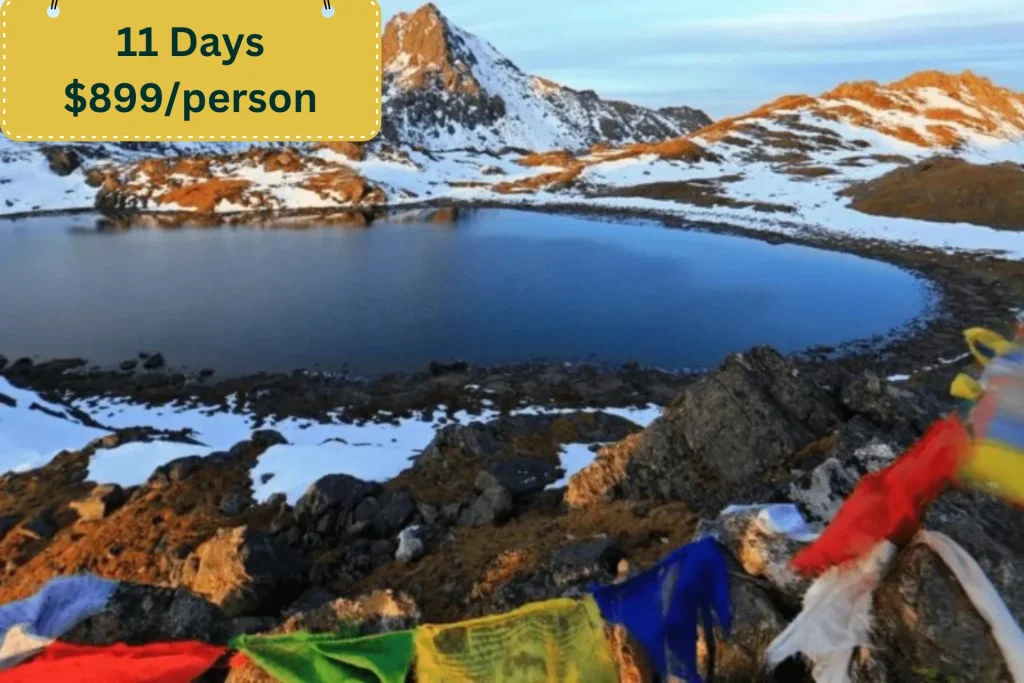
Langtang Valley Trek


Trip Overview
The Langtang Valley Trek is a captivating journey through one of Nepal’s most beautiful and culturally rich regions. Nestled between the Himalayan peaks and Tibetan border, this trek offers a perfect blend of natural beauty, rich cultural heritage and a relatively quiet trail making it an excellent choice for those seeking a more off-the-beaten-path experience.
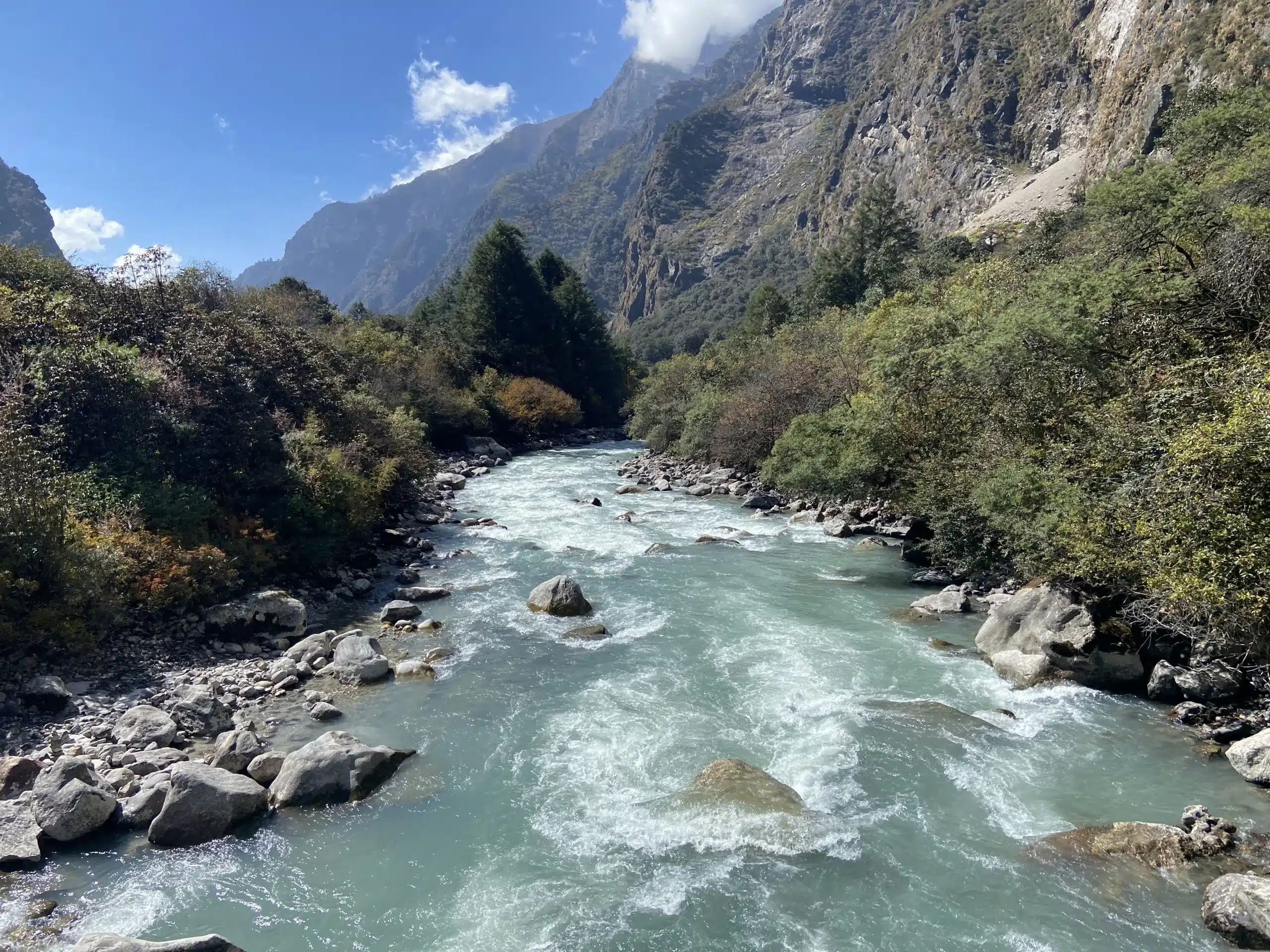
Starting with a scenic drive from Kathmandu to Syabrubesi, the trek begins by following the Langtang River through dense forests of rhododendron, bamboo and pine. These forests are home to diverse wildlife including the elusive red panda and offer a tranquil setting as you ascend through the lower reaches of the valley. The trail gradually climbs through terraced fields and small villages where trekkers can witness the traditional lifestyle of the Tamang people.The trek leads to Langtang Village. Here, you can immerse yourself in the local culture, visiting the village’s small monasteries and interacting with the friendly residents.
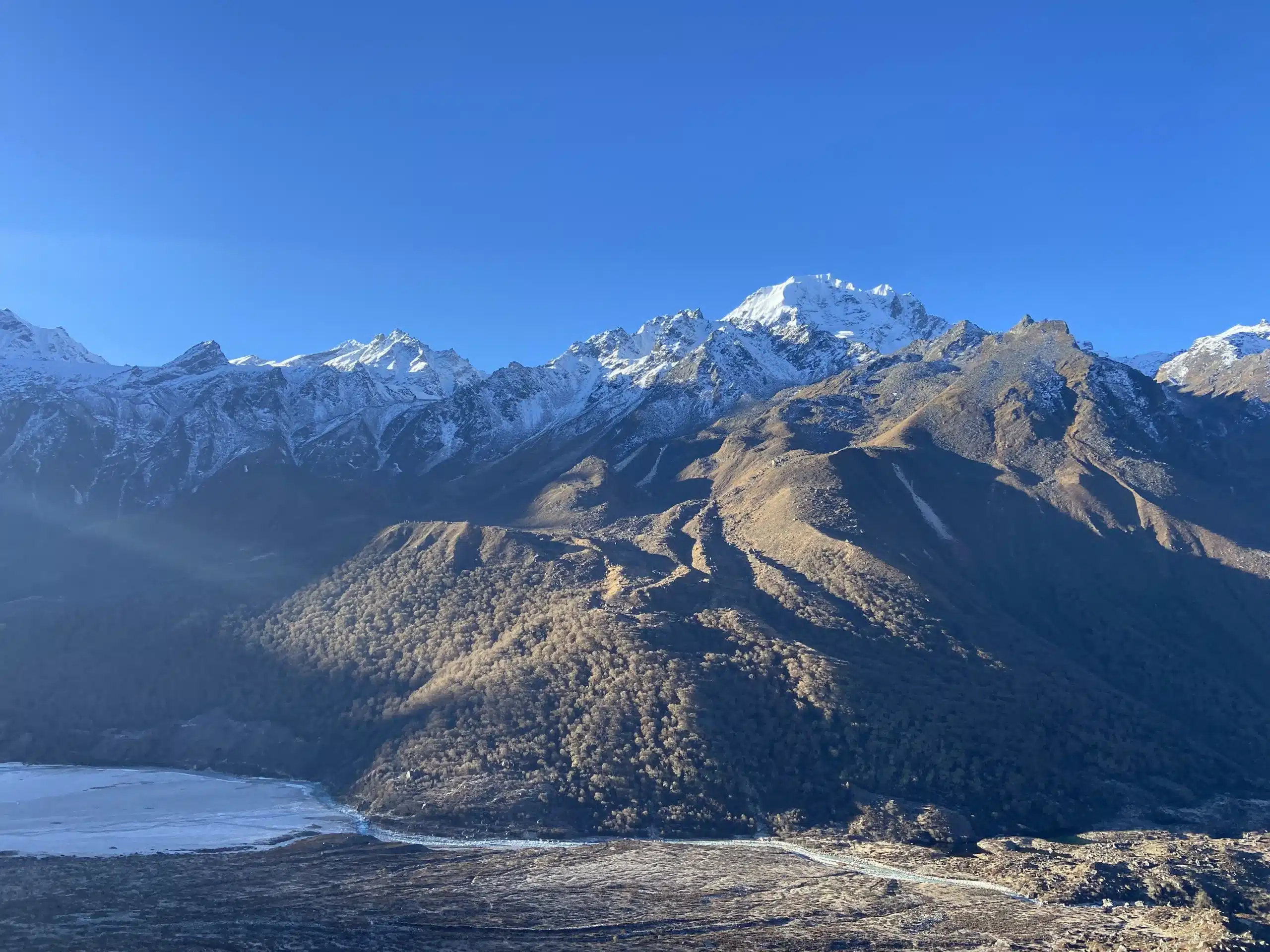
The journey continues to Kyanjin Gompa, the highest point of the trek, located at 3,870 meters. This remote village is nestled beneath some of the most stunning peaks in the region including Langtang Lirung and Dorje Lakpa. The serene environment of Kyanjin Gompa, coupled with the awe-inspiring mountain vistas, makes this part of the trek particularly memorable. Throughout the trek, you’ll experience the unique culture and hospitality of the local Tamang and Sherpa communities. The Langtang Valley Trek is not just a journey through stunning landscapes but also an exploration of the rich spiritual and cultural traditions that have flourished in this remote Himalayan region. Despite its relative proximity to Kathmandu, the Langtang Valley Trek remains less crowded offering a peaceful and rewarding adventure for trekkers of all levels.
- Scenic Drive from Kathmandu to Syabrubesi
- Langtang National Park
- Exploration of Langtang Village
- Kyanjin Gompa
- Panoramic Views from Kyanjin Ri
- Glacial Sightseeing
- Tamang and Sherpa Culture
- Rhododendron and Bamboo Forests
- Stunning Mountain Views
- Tranquil River Valleys
- Less Crowded Trails
Cost Includes:
- Trekking Permits
- Transportation
- Accommodation during trek *
- Guide and Porter
- Meals during trek *
- First Aid Kit
- Taxes and Fees
- Insurance for Guide And Porter
- Airport pick up and drop off
Cost Excludes:
- International Flights
- Visa fees
- Travel Insurance
- Personal Expenses
- Additional Services
- Alcoholic Beverages
- Extra Accommodation
- Cost Due To Unforeseen Events
* The cost for each trip may vary based on the selected itinerary, the duration of the trip, and any personal preferences you may have. During treks, your package includes accommodation with breakfast, lunch, and dinner. However, for your stay in major cities, accommodation is provided at a hotel where only breakfast is included, served by the hotel itself.
Fitness Level
Moderate physical fitness is required as the trek involves walking 5–7 hours a day at high altitudes.
Altitude Sickness
Acclimatization is crucial. Be aware of symptoms like headaches, dizziness or nausea and inform your guide immediately if they occur.
Best Time to Trek
The ideal seasons are spring (March to May) and autumn (September to November) for clear views and stable weather.
Packing Essentials
Bring warm clothing, a good-quality sleeping bag, sturdy trekking boots, trekking poles and a headlamp.
Permits
You will need a Langtang National Park entry permit and a TIMS (Trekkers’ Information Management System) card.
Accommodation
Lodging is in teahouses which offer basic amenities like beds and meals; conditions may become more basic at higher altitudes.
Hydration
Drink plenty of water and avoid alcohol to stay hydrated and help prevent altitude sickness.
Respect Local Culture
The region is home to the Tamang and Sherpa communities; respect their customs, traditions and religious practices.
Cash and ATMs
Carry enough Nepalese Rupees for the entire trek, as ATMs are not available in the Langtang Valley.
Travel Insurance
Ensure you have comprehensive travel insurance that covers high-altitude trekking and helicopter evacuation.
Safety Measures
Follow your guide’s instructions, especially when crossing rivers and rocky paths and be cautious of your footing on steep terrain.
Environmental Responsibility
Practice Leave No Trace principles by packing out all trash and avoiding single-use plastics to preserve the pristine environment.
How difficult is the Langtang Valley Trek?
The Langtang Valley Trek is of moderate difficulty. It involves walking 5–7 hours per day on varying terrain. While prior trekking experience is not necessary, a reasonable level of fitness is required.
What is the best time to trek in Langtang Valley?
The best times to trek are during the spring (March to May) and autumn (September to November) seasons. These periods offer clear skies, moderate temperatures and stable weather conditions.
Do I need a permit for the Langtang Valley Trek?
Yes, you need a Langtang National Park entry permit and a TIMS (Trekkers’ Information Management System) card. These are arranged by your trekking agency.
What kind of accommodation is available on the trek?
Accommodation is in teahouses which are basic lodges offering beds, meals and sometimes hot showers. The facilities become more basic as you ascend in altitude.
Is acclimatization necessary for this trek?
Yes, acclimatization is crucial to avoid altitude sickness, especially as you reach higher altitudes like Kyanjin Gompa. The itinerary includes acclimatization days to help you adjust.
What should I pack for the trek?
Essential items include warm clothing, a good-quality sleeping bag, sturdy trekking boots, a down jacket, trekking poles, a first-aid kit and a headlamp. Also, pack layers for varying temperatures.
What is the highest point on the Langtang Valley Trek?
The highest point on the standard trek is Kyanjin Ri (4,773 meters / 15,655 feet) or Tserko Ri (4,984 meters / 16,349 feet), both of which are optional day hikes from Kyanjin Gompa.
How do I manage altitude sickness?
Acclimatize properly, stay hydrated and ascend slowly. If you experience symptoms like headaches, nausea or dizziness, inform your guide immediately and consider descending.
What kind of food is available on the trek?
Teahouses offer a variety of meals including traditional Nepali dishes (such as dal bhat), pasta, rice, noodles and soups. Vegetarian options are widely available.
Is there mobile network coverage on the trek?
Mobile network coverage is available in some areas but it can be unreliable and patchy. Some teahouses offer Wi-Fi for an additional fee.
Can I charge my electronic devices during the trek?
Yes, most teahouses offer charging facilities, but there may be a small fee. It’s advisable to carry a power bank as a backup.
Is travel insurance necessary?
Yes, comprehensive travel insurance that covers high-altitude trekking, medical emergencies, and helicopter evacuation is essential for this trek.
Trip Start & End | Kathmandu – Kathmandu | Meals | Breakfast, Lunch and Dinner |
Maximum Altitude | 4773m, Kyanjin Ri | Difficulty Level | Moderate |
Transportation | Car, Jeep or Bus | Best season | Sept-Nov, Mar-May |
Accommodation | Hotels, Tea Houses | Trip Area | Langtang National Park |
Day 1: Arrival in Kathmandu
→ Activity: Arrive in Kathmandu, Nepal’s capital. Transfer to your hotel and rest. In the evening, there will be a briefing about the trek.
→ Overnight: Hotel in Kathmandu.
Day 2: Drive from Kathmandu to Syabrubesi
→ Drive Duration: 7–8 hours.
→ Activity: Begin with a scenic drive from Kathmandu to Syabrubesi, the starting point of the trek. The journey offers views of terraced fields, small villages and the Trishuli River.
→ Overnight: Lodge in Syabrubesi.
Day 3: Trek from Syabrubesi to Lama Hotel
→ Trek Duration: 6–7 hours.
→ Activity: Start your trek by crossing a suspension bridge over the Bhote Koshi River. The trail gradually ascends through dense forests of oak, rhododendron and bamboo, home to the red panda. You’ll pass through small settlements and follow the Langtang River before reaching Lama Hotel.
→ Overnight: Lodge in Lama Hotel.
Day 4: Trek from Lama Hotel to Langtang Village
→ Trek Duration: 6–7 hours.
→ Activity: Continue ascending through lush forests with occasional glimpses of Langtang Lirung (7,227 meters / 23,711 feet). You’ll reach Langtang Village, a settlement that is being rebuilt after the 2015 earthquake.
→ Overnight: Lodge in Langtang Village.
Day 5: Trek from Langtang Village to Kyanjin Gompa
→ Trek Duration: 3–4 hours.
→ Activity: A short trek to Kyanjin Gompa passing through yak pastures, small streams and prayer wheels. The trail is surrounded by spectacular mountain views. Upon arrival in Kyanjin Gompa, visit the ancient monastery and explore the village.
→ Overnight: Lodge in Kyanjin Gompa.
Day 6: Acclimatization Day in Kyanjin Gompa
→ Activity: Spend the day exploring the area and acclimatizing to the altitude. A popular option is to hike up to Kyanjin Ri (4,773 meters / 15,655 feet) or Tserko Ri (4,984 meters / 16,349 feet) for stunning panoramic views of Langtang Lirung, Dorje Lakpa and other surrounding peaks.
→ Overnight: Lodge in Kyanjin Gompa.
Day 7: Trek from Kyanjin Gompa to Lama Hotel
→ Trek Duration: 6–7 hours.
→ Activity: Retrace your steps back to Lama Hotel, descending through the same picturesque trail you ascended. The descent is faster and you’ll have time to appreciate the lush forests and river views along the way.
→ Overnight: Lodge in Lama Hotel.
Day 8: Trek from Lama Hotel to Syabrubesi
→ Trek Duration: 4–5 hours.
→ Activity: Continue descending through forests and small settlements back to Syabrubesi. Enjoy the final day of trekking as you make your way back to the starting point.
→ Overnight: Lodge in Syabrubesi.
Day 9: Drive from Syabrubesi to Kathmandu
→ Drive Duration: 7–8 hours.
→ Activity: Take the scenic drive back to Kathmandu. Upon arrival, transfer to your hotel. The rest of the day is free to explore Kathmandu, shop for souvenirs, or relax.
→ Overnight: Hotel in Kathmandu.
Day 10: Departure from Kathmandu
→ Depending on your flight schedule, transfer to the airport for your departure from Kathmandu.
Treks You May Like