Khopra Trek
Trip Overview
The Khopra Trek offers an exceptional trekking experience in Nepal’s Annapurna region combining stunning mountain vistas, diverse landscapes and authentic cultural encounters. This trek is renowned for its breathtaking panoramic views of the Annapurna and Dhaulagiri ranges, providing trekkers with some of the most picturesque scenes in the Himalayas.
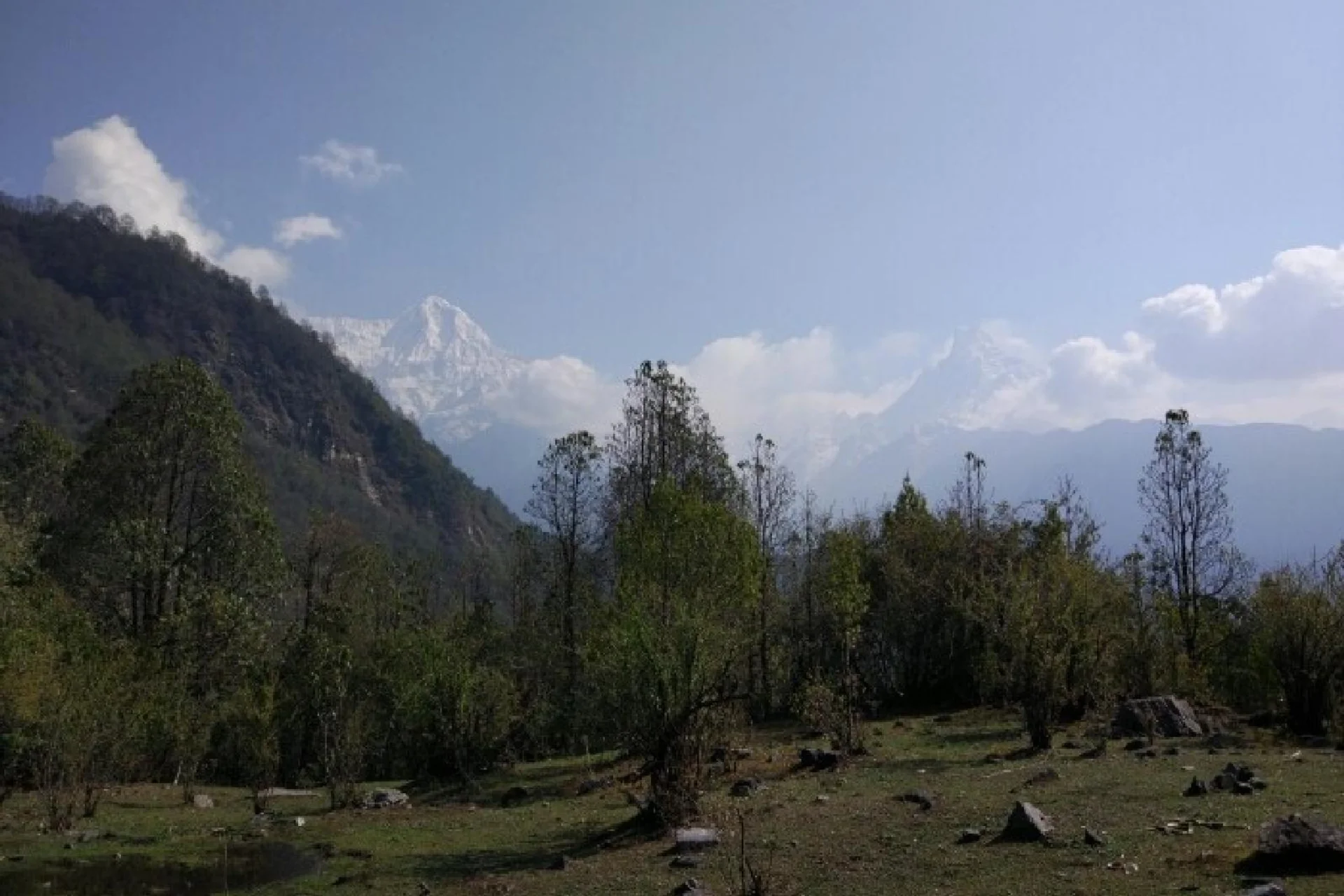
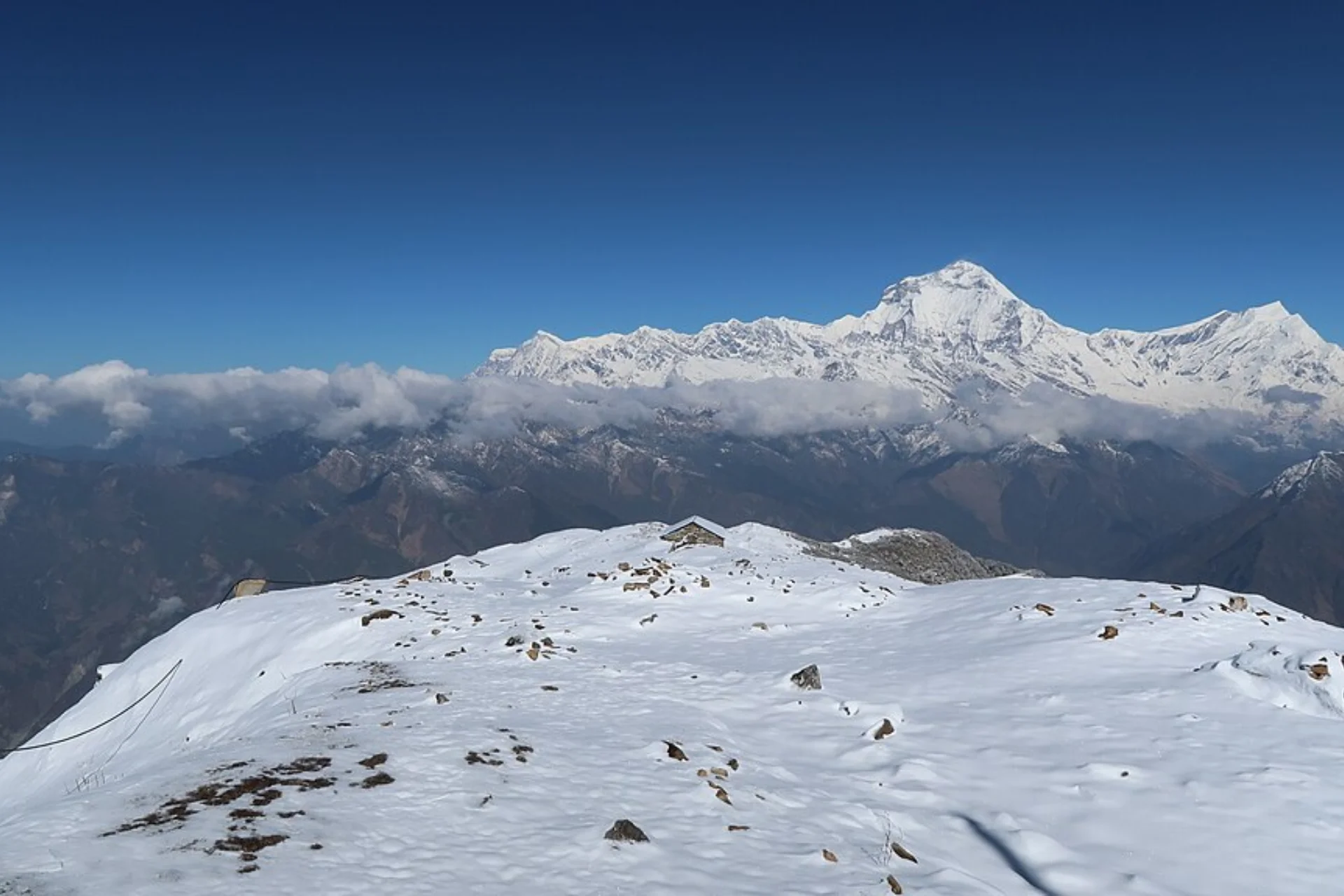
Starting from the lively city of Pokhara, the trek takes you through lush forests and terraced fields, gradually ascending to the Khopra Ridge. This ridge is celebrated for its unobstructed views of Annapurna South, Dhaulagiri and Machapuchare (Fishtail), making it a prime spot for observing the grandeur of the Himalayas. The serene environment and stunning scenery offer a peaceful retreat away from the more crowded trails in the region.
The trek also includes an optional side trip to Khayer Lake, a sacred high-altitude lake situated at 4,600 meters (15,091 feet). This lake, surrounded by dramatic peaks and glaciers, holds cultural significance for the local communities and adds an extra layer of adventure to the trek. The journey to Khayer Lake involves a challenging ascent but rewards trekkers with exceptional views and a sense of accomplishment.
Throughout the trek, you’ll pass through traditional Gurung and Magar villages where you can experience the rich local culture and warm hospitality. These communities provide insight into rural Himalayan life with opportunities to observe traditional farming practices, festivals and crafts. The Khopra Trek is an ideal choice for those seeking a blend of spectacular mountain views, cultural experiences and serene trekking routes. Its relatively lesser-known status means you can enjoy the natural beauty and cultural richness of Nepal’s Himalayas without the usual crowds.
- Spectacular Mountain Views
- Khopra Ridge
- Diverse Landscapes
- Unique Cultural Experience
- Less Crowded Trails
- Hike to Khayer Lake
- Beautiful Sunrise and Sunset Views
- Varied Flora and Fauna
- Cultural Interactions
Cost Includes:
- Trekking Permits
- Transportation
- Accommodation during trek *
- Guide and Porter
- Meals during trek *
- First Aid Kit
- Taxes and Fees
- Insurance for Guide And Porter
- Airport pick up and drop off
Cost Excludes:
- International Flights
- Visa fees
- Travel Insurance
- Personal Expenses
- Additional Services
- Alcoholic Beverages
- Extra Accommodation
- Cost Due To Unforeseen Events
* The cost for each trip may vary based on the selected itinerary, the duration of the trip, and any personal preferences you may have. During treks, your package includes accommodation with breakfast, lunch, and dinner. However, for your stay in major cities, accommodation is provided at a hotel where only breakfast is included, served by the hotel itself.
Physical Fitness
Moderate fitness is required, as the trek involves 5–7 hours of walking daily with some steep ascents. Regular exercise and prior trekking experience are beneficial.
Altitude Acclimatization
Ensure proper acclimatization to avoid altitude sickness. Symptoms may include headaches, dizziness and nausea. If you experience these, inform your guide and consider descending if necessary.
Best Time to Trek
The best times for trekking are during the spring (March to May) and autumn (September to November). These seasons offer stable weather, clear skies and comfortable temperatures.
Required Permits
You will need an Annapurna Conservation Area Permit (ACAP) and a TIMS (Trekkers’ Information Management System) card. These can be arranged through a trekking agency.
Clothing
Bring layered clothing suitable for variable weather conditions. Essentials include a warm jacket, waterproof outer layers, trekking boots and comfortable hiking clothes.
Gear
Pack trekking poles, a good-quality sleeping bag, a headlamp or flashlight, a hat, gloves and sunglasses.
First-Aid Kit
Include basic items like bandages, pain relievers, altitude sickness medication and personal medications.
Accommodation
Accommodation is in basic teahouses along the trek providing beds, meals and occasionally hot showers. Facilities become more basic as you ascend.
Meals
Teahouses offer a variety of meals including local Nepali dishes and some Western options. Vegetarian meals are widely available.
Hydration
Drink plenty of water and use water purification methods (such as purification tablets or a filter) to avoid waterborne illnesses.
Respect Local Customs
The trek takes you through traditional Gurung and Magar villages. Show respect for local customs, religious practices and community life.
Photography
Always ask permission before taking photos of people, especially in local villages.
Environmental Responsibility
Follow Leave No Trace principles by packing out all trash and minimizing your impact on the environment. Avoid single-use plastics and support local conservation efforts.
Mobile Coverage
Mobile network coverage is limited in remote areas. Some teahouses may offer Wi-Fi for a fee, but it can be unreliable.
Travel Insurance
Ensure you have comprehensive travel insurance that covers high-altitude trekking, medical emergencies and helicopter evacuation if needed.
Weather Awareness
Be prepared for changing weather conditions, especially in higher altitudes. Check weather forecasts regularly and be ready to adjust your plans if necessary.
How challenging is the Khopra Trek?
The trek is moderately challenging. It involves several hours of walking each day, with some steep ascents and high-altitude sections. Good physical fitness and prior trekking experience are beneficial.
What is the best time to do the Khopra Trek?
The ideal times to trek are during the spring (March to May) and autumn (September to November). These seasons offer stable weather, clear skies and moderate temperatures.
Do I need any permits for the Khopra Trek?
Yes, you need an Annapurna Conservation Area Permit (ACAP) and a TIMS (Trekkers’ Information Management System) card. These can be obtained through a trekking agency.
What kind of accommodation can I expect on the trek?
Accommodation is in basic teahouses along the trek. These teahouses offer simple amenities like beds and meals. The facilities may become more basic as you ascend.
How do I manage altitude sickness?
Acclimatize properly by ascending slowly and staying hydrated. Be aware of symptoms like headaches, dizziness and nausea. If you experience any symptoms, inform your guide and consider descending if needed.
How do I manage altitude sickness?
Acclimatization days are built into the itinerary to help you adjust to the altitude. It’s important to recognize symptoms like headaches, nausea and dizziness. If symptoms persist, descent is the best remedy. Staying hydrated and avoiding alcohol can also help.
What should I pack for the Khopra Trek?
Pack layered clothing for varying weather conditions, sturdy trekking boots, trekking poles, a good-quality sleeping bag and essentials like a headlamp, hat, gloves and sunglasses. Include a first-aid kit and water purification supplies.
Can I find Wi-Fi or mobile coverage on the trek?
Mobile coverage is limited in remote areas, and Wi-Fi may be available in some teahouses for a fee but can be unreliable.
Are there any special health precautions I should take?
Ensure you have comprehensive travel insurance that covers high-altitude trekking, medical emergencies and helicopter evacuation. Carry a basic first-aid kit and any personal medications.
Is it possible to hike to Khayer Lake on this itinerary?
Yes, Khayer Lake is an optional side trip from Khopra Ridge. The hike is challenging and requires good acclimatization. It is recommended for those seeking additional adventure.
What is the weather like on the trek?
Weather conditions can vary. In spring and autumn, temperatures range from mild to cold, with potential for rain or snow at higher altitudes. Be prepared for changing weather conditions.
Trip Start & End | Kathmandu – Kathmandu | Meals | Breakfast, Lunch and Dinner |
Maximum Altitude | 3900m, Khopra Ridge | Difficulty Level | Moderate |
Transportation | Flight, Car, Jeep or Bus | Best season | Sept-Nov, Mar-May |
Accommodation | Hotels, Tea Houses & Lodges | Trip Area | Annapurna Conservation Area |
Day 1: Arrival in Kathmandu
→ Activity: Arrive in Kathmandu, Nepal’s capital. Transfer to your hotel and rest. In evening, there will be a briefing about the trek.
→ Overnight: Hotel in Kathmandu.
Day 2: Drive from Kathmandu to Pokhara
→ Travel: Drive (6-7 hours) from Kathmandu to Pokhara.
→ Activities: Explore Pokhara, a scenic lakeside city.
→ Overnight: Stay in Pokhara.
Day 3: Drive from Pokhara to Nayapul, Trek to Tikhedhunga
→ Drive Duration: 1.5–2 hours from Pokhara to Nayapul.
→ Trek Duration: 3–4 hours.
→ Activity: From Nayapul, begin your trek through terraced fields and local villages. The trail follows the Modi River and ascends gradually to Tikhedhunga.
→ Overnight: Lodge in Tikhedhunga.
Day 4: Trek from Tikhedhunga to Ghorepani
→ Trek Duration: 6–7 hours.
→ Activity: Begin the trek with a challenging ascent over a series of stone steps to Ulleri, a Magar village. From Ulleri, continue through oak and rhododendron forests, passing through several small villages before reaching Ghorepani.
→ Overnight: Lodge in Ghorepani.
Day 5: Trek from Ghorepani to Khopra Ridge
→ Trek Duration: 6–7 hours.
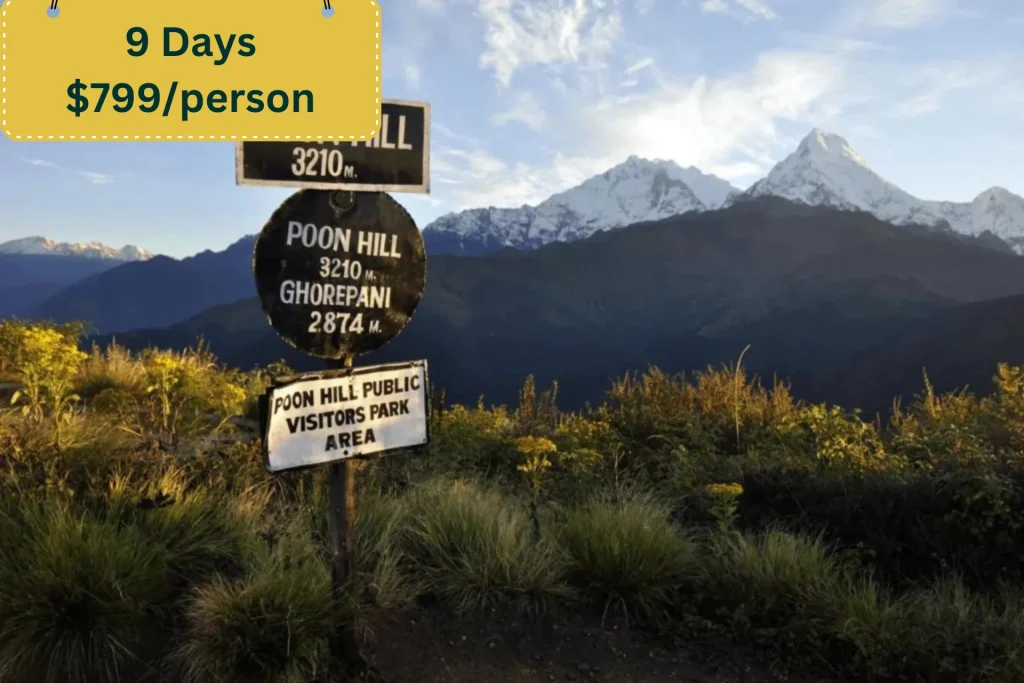
→ Activity: Start early to climb to Poon Hill (3,210 meters / 10,531 feet) for sunrise views over the Himalayas. Afterward, descend back to Ghorepani for breakfast and then continue the trek towards Khopra Ridge.
→ Overnight: Lodge in Khopra Ridge.
Day 6: Explore Khopra Ridge or Hike to Khayer Lake
→ Activity: Explore Khopra Ridge, which offers stunning panoramic views of Annapurna South, Dhaulagiri and Machapuchare. For those seeking additional adventure, take a day hike to Khayer Lake. Note that the hike to Khayer Lake is challenging and requires good acclimatization.
→ Overnight: Lodge in Khopra Ridge.
Day 7: Trek from Khopra Ridge to Nayapul, Drive back to Pokhara
→ Trek Duration: 6–7 hours.
→ Drive Duration: 1.5–2 hours from Nayapul to Pokhara.
→ Activity: Begin your descent from Khopra Ridge to Nayapul. From Nayapul, take a drive back to Pokhara. Upon arrival, you can relax and explore Pokhara, enjoying in lakeside.
→ Overnight: Hotel in Pokhara.
Day 8: Drive from Pokhara to Kathmandu
→ Travel: Drive (6-7 hours) from Pokhara to Kathmandu.
→ Activity: Explore Kathmandu or relax before departure.
→ Overnight: Hotel in Kathmandu.
Day 9: Departure from Kathmandu
→ Depending on your flight schedule, transfer to the airport for your departure from Kathmandu.
Treks You May Like