Everest Three Passes Trek


Trip Overview
The Khumbu 3 Passes Trek with Everest Base Camp and Gokyo Lakes is a thrilling 17-day adventure that takes trekkers deep into the heart of the Everest region, offering a comprehensive and challenging exploration of one of the most iconic mountain landscapes in the world. This trek is perfect for those seeking both physical challenge and unparalleled natural beauty as it combines high mountain passes, breathtaking viewpoints and culturally rich villages.
The journey begins in the bustling town of Lukla often referred to as the gateway to the Everest region. The trek ascend through the lush forests and traditional Sherpa villages gradually acclimatizing to the altitude as they reach Namche Bazaar, the vibrant trading hub of the Khumbu region. Namche Bazaar offers the first stunning views of the surrounding peaks including the mighty Everest and serves as an essential acclimatization stop.
As the trek progresses, adventurers face the first of the three high passes, Kongma La, which stands at 5,535 meters (18,159 feet). The ascent is challenging but rewarding with panoramic views of the towering peaks of Makalu, Lhotse and Nuptse. Following the successful crossing of Kongma La, the trek continues towards Everest Base Camp where climbers from around the world prepare for their summit attempts. This section of the trek also includes a visit to Kala Patthar a renowned vantage point offering one of the best close-up views of Mount Everest.
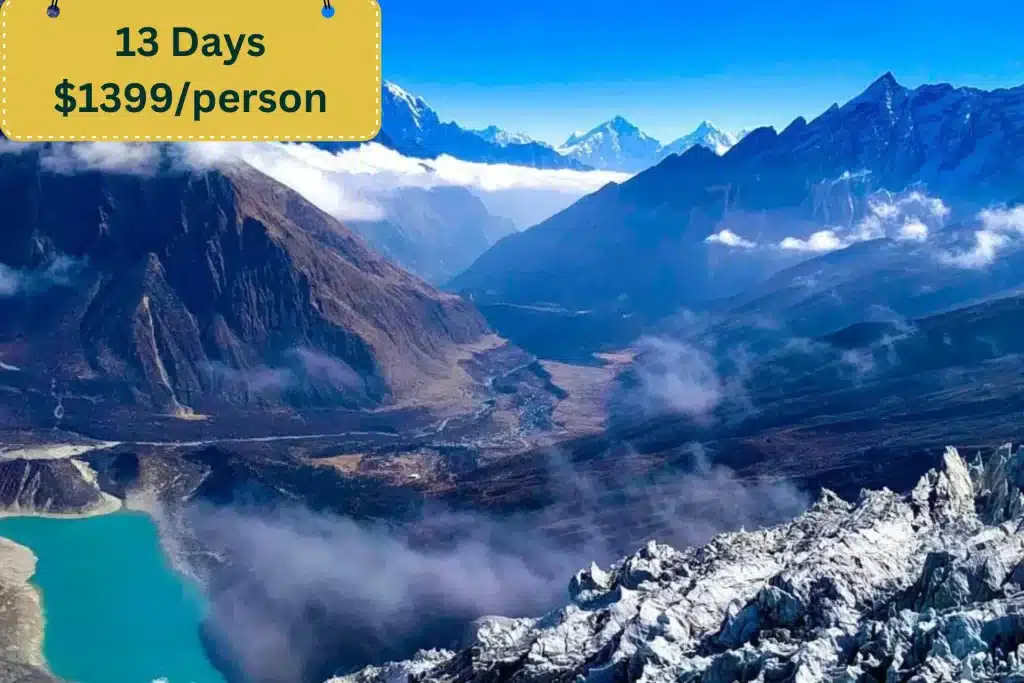
The journey then leads trekkers across the second high pass, Cho La, which connects the Everest Base Camp route with the serene Gokyo Valley. The trek through the Gokyo Valley is a highlight in itself featuring the stunning Gokyo Lakes a series of pristine, turquoise glacial lakes set amidst rugged terrain. From Gokyo Ri, trekkers can enjoy a panoramic view that includes Everest, Cho Oyu and other towering peaks.
The final challenge is the crossing of Renjo La, the third high pass at 5,360 meters (17,585 feet), which offers breathtaking vistas of the Everest region and beyond. The trek then descends back through the Khumbu Valley passing through picturesque villages and monasteries including the famous Tengboche Monastery set against the backdrop of Ama Dablam.
Throughout the trek, adventurers are immersed in the rich culture of the Sherpa people with opportunities to visit traditional villages, interact with locals and experience the unique spiritual and cultural heritage of the region. The trek concludes with a return to Lukla, where trekkers can reflect on their incredible journey through one of the most challenging and rewarding trekking routes in the world.
- Kongma La Pass (5,535 meters/18,159 feet)
- Cho La Pass (5,420 meters/17,782 feet)
- Renjo La Pass (5,360 meters/17,585 feet)
- Everest Base Camp (5,364 meters/17,598 feet)
- Kala Patthar (5,545 meters/18,192 feet)
- Gokyo Lakes (4,700-5,000 meters/15,420-16,404 feet)
- Namche Bazaar (3,440 meters/11,286 feet)
- Tengboche Monastery (3,867 meters/12,687 feet)
- Diverse Landscapes and Cultures
- Wildlife and Flora
- Breathtaking Mountain Views
- Physical Challenge and Acclimatization
- Sunrise and Sunset Views
Cost Includes:
- Trekking Permits
- Transportation
- Accommodation during trek *
- Guide and Porter
- Meals during trek *
- First Aid Kit
- Taxes and Fees
- Insurance for Guide And Porter
- Airport pick up and drop off
Cost Excludes:
- International Flights
- Visa fees
- Travel Insurance
- Personal Expenses
- Additional Services
- Alcoholic Beverages
- Extra Accommodation
- Cost Due To Unforeseen Events
* The cost for each trip may vary based on the selected itinerary, the duration of the trip, and any personal preferences you may have. During treks, your package includes accommodation with breakfast, lunch, and dinner. However, for your stay in major cities, accommodation is provided at a hotel where only breakfast is included, served by the hotel itself.
Fitness Level
This trek is challenging and requires a good level of physical fitness. Prior trekking experience in high altitudes is recommended.
Altitude Sickness
Acclimatization is crucial to avoid altitude sickness. The itinerary includes acclimatization days but it’s essential to recognize symptoms and communicate with your guide.
Weather Conditions
The best times to trek are from March to May and September to November. Weather can be unpredictable, so be prepared for sudden changes especially at higher altitudes.
Permits
You’ll need a Sagarmatha National Park entry permit a Khumbu Pasang Lhamu Rural Municipality permit and Trekkers Information Management System Card. These are arranged by your trekking agency.
Packing
Pack light but ensure you have warm clothing, a good-quality sleeping bag, sturdy trekking boots and essential gear like trekking poles and a headlamp.
Hydration
Drink plenty of water and avoid alcohol to stay hydrated, which is vital for preventing altitude sickness.
Respect Local Culture
The Khumbu region is home to the Sherpa people, and it’s important to respect their customs, traditions and religious practices.
Travel Insurance
Comprehensive travel insurance covering high-altitude trekking and helicopter evacuation is essential for this trek.
Trekking Permits and TIMS Card
Ensure you have the necessary trekking permits and a TIMS (Trekkers’ Information Management System) card before starting your trek.
Safety Measures
Always follow your guide’s instructions especially when crossing high passes and be cautious of your footing on rocky and icy terrain.
How difficult is the Khumbu 3 Passes Trek?
The trek is considered challenging due to its length, high altitude and the three high mountain passes. Prior trekking experience and good physical fitness are highly recommended.
What is the best time of year to do the trek?
The best times to trek are during the pre-monsoon (March to May) and post-monsoon (September to November) seasons when the weather is more stable and the views are clear.
Do I need prior trekking experience?
Yes, this trek is suitable for experienced trekkers. Familiarity with high-altitude trekking is beneficial due to the demanding nature of the route.
What are the accommodation options during the trek?
Accommodation is typically in teahouses which offer basic amenities such as beds, meals and hot showers (for an additional cost). Conditions become more basic as you ascend.
What permits are required for this trek?
You need a Sagarmatha National Park entry permit and a Khumbu Pasang Lhamu Rural Municipality permit. A TIMS (Trekkers’ Information Management System) card is also required.
How do I manage altitude sickness?
Acclimatization days are built into the itinerary to help you adjust to the altitude. It’s important to recognize symptoms like headaches, nausea and dizziness. If symptoms persist, descent is the best remedy. Staying hydrated and avoiding alcohol can also help.
Is travel insurance necessary?
Yes, comprehensive travel insurance that covers high-altitude trekking, medical emergencies and helicopter evacuation is essential.
What kind of food is available on the trek?
Teahouses typically offer a variety of meals including traditional Nepali dishes (like dal bhat), pasta, rice, noodles, soup and some Western dishes. Vegetarian options are widely available.
Can I charge my electronic devices on the trek?
Yes, most teahouses offer charging facilities but they may charge a fee. It’s advisable to bring extra batteries or a portable power bank.
How should I prepare for the trek?
Engage in regular cardiovascular training including hiking, running and strength training at least a few months before the trek. Practice trekking with a loaded backpack to simulate conditions.
Are there any ATMs available on the trek?
The last reliable ATMs are in Namche Bazaar. It’s advisable to carry enough cash (Nepalese Rupees) for the entire trek.
What should I pack for the trek?
Essential items include warm clothing, a good-quality sleeping bag, sturdy trekking boots, a down jacket, trekking poles, a headlamp, a first-aid kit and personal hygiene items.
How safe is the Khumbu 3 Passes Trek?
The trek is generally safe if done with proper preparation and acclimatization. However, the high altitude and challenging passes require caution. Always follow your guide’s advice and be mindful of weather conditions.
Trip Start & End | Kathmandu – Kathmandu | Meals | Breakfast, Lunch and Dinner |
Maximum Altitude | 5535m, Kongma La | Difficulty Level | Challenging |
Transportation | Flight | Best season | Sept-Nov, Mar-May |
Accommodation | Hotels, Tea Houses | Trip Area | Sagarmatha National Park |
Day 1: Arrival in Kathmandu
→ Activity: Arrive in Kathmandu, the capital city of Nepal. Transfer to your hotel. The rest of the day is free for you to explore the vibrant streets of Thamel or to relax after your journey. In the evening, there will be a briefing about the trek.
→ Overnight: Hotel in Kathmandu.
Day 2: Fly to Lukla and Trek to Phakding
→ Flight Duration: 30–40 minutes.
→ Trek Duration: 3–4 hours.
→ Activity: Early morning flight from Kathmandu to Lukla, offering breathtaking views of the Himalayas. Start trekking from Lukla, descending towards Phakding, passing through small villages, crossing suspension bridges, and following the Dudh Koshi River.
→ Overnight: Lodge in Phakding.
Day 3: Trek from Phakding to Namche Bazaar
→ Trek Duration: 6–7 hours.
→ Activity: Follow the Dudh Koshi River, crossing several suspension bridges, including the famous Hillary Suspension Bridge. The trail gradually ascends, leading you to the bustling Sherpa town of Namche Bazaar, the gateway to the Everest region.
→ Overnight: Lodge in Namche Bazaar.
Day 4: Acclimatization Day in Namche Bazaar
→ Activity: Spend the day acclimatizing to the higher altitude. Take a short hike to the Everest View Hotel for stunning views of Everest, Lhotse, and Ama Dablam. Visit the Sherpa Museum and explore the local markets.
→ Overnight: Lodge in Namche Bazaar.
Day 5: Trek from Namche Bazaar to Tengboche
→ Trek Duration: 5–6 hours.
→ Activity: Trek through rhododendron forests with spectacular views of Everest, Lhotse and Ama Dablam. Arrive in Tengboche, home to the famous Tengboche Monastery, the largest in the Khumbu region.
→ Overnight: Lodge in Tengboche.
Day 6: Trek from Tengboche to Dingboche
→ Trek Duration: 5–6 hours.
→ Activity: The trail descends through lush forests before crossing the Imja Khola. The path then gradually ascends to Dingboche, a village known for its extensive yak pastures and stunning views of the surrounding peaks.
→ Overnight: Lodge in Dingboche.
Day 7: Acclimatization Day in Dingboche
→ Activity: Take a day to acclimatize and explore the area. A popular acclimatization hike is to Nagarjun Hill (5,100 meters/16,732 feet), which offers breathtaking views of Makalu, Lhotse and other surrounding peaks.
→ Overnight: Lodge in Dingboche.
Day 8: Trek from Dingboche to Chhukung and Acclimatization
→ Trek Duration: 3–4 hours.
→ Activity: A short trek to the small village of Chhukung, situated at the base of the Imja Tse (Island Peak). The afternoon can be spent acclimatizing with a hike to Chhukung Ri (5,550 meters/18,209 feet) for stunning views of the surrounding mountains.
→ Overnight: Lodge in Chhukung.
Day 9: Cross Kongma La Pass and Trek to Lobuche
→ Trek Duration: 7–9 hours.
→ Activity: The day begins with a challenging ascent to the Kongma La Pass, offering panoramic views of the Khumbu region. After crossing the pass, descend towards the Khumbu Glacier and continue to the village of Lobuche.
→ Overnight: Lodge in Lobuche.
Day 10: Trek from Lobuche to Everest Base Camp via Gorak Shep
→ Trek Duration: 7–8 hours.
→ Activity: Trek to Gorak Shep, the last settlement before Everest Base Camp. After a short rest, continue to Everest Base Camp, where you can take in the iconic view of the Khumbu Icefall. Return to Gorak Shep for the night.
→ Overnight: Lodge in Gorak Shep.
Day 11: Hike to Kala Patthar and Trek to Dzongla
→ Trek Duration: 6–7 hours.
→ Activity: Start early for a sunrise hike to Kala Patthar, known for its unparalleled views of Mount Everest and surrounding peaks. After returning to Gorak Shep, trek to Dzongla, passing through rugged terrain with spectacular mountain views.
→ Overnight: Lodge in Dzongla.
Day 12: Cross Cho La Pass and Trek to Thagnak
→ Trek Duration: 6–7 hours.
→ Activity: Another challenging day begins with crossing the Cho La Pass, which involves traversing a glacier and ascending steep rocky trails. After the pass, descend towards Thagnak, a small settlement on the way to Gokyo.
→ Overnight: Lodge in Thagnak.
Day 13: Trek from Thagnak to Gokyo
→ Trek Duration: 3–4 hours.
→ Activity: A relatively short and gradual trek takes you to the stunning Gokyo Valley. On arrival, you can explore the Gokyo Lakes and enjoy the serene beauty of this high-altitude region.
→ Overnight: Lodge in Gokyo.
Day 14: Hike to Gokyo Ri and Trek to Marlung via Renjo La Pass
→ Trek Duration: 8–9 hours.
→ Activity: Start early to hike up to Gokyo Ri for one of the most panoramic views of the Everest region, including Everest, Cho Oyu, and the Gokyo Lakes. After descending, cross the Renjo La Pass, offering more spectacular views. Continue to Marlung for the night.
→ Overnight: Lodge in Marlung.
Day 15: Trek from Marlung to Namche Bazaar
→ Trek Duration: 5–6 hours.
→ Activity: Descend through remote villages and alpine meadows, eventually reconnecting with the main trail to Namche Bazaar. Enjoy the comforts of Namche Bazaar after several days of high-altitude trekking.
→ Overnight: Lodge in Namche Bazaar.
Day 16: Trek from Namche Bazaar to Lukla
→ Trek Duration: 6–7 hours.
→ Activity: Retrace your steps back to Lukla, with a long descent followed by a gradual ascent. Reflect on your trekking experience and celebrate your successful completion of the 3 Passes Trek.
→ Overnight: Lodge in Lukla.
Day 17: Fly from Lukla to Kathmandu
→ Flight Duration: 30–40 minutes.
→ Activity: Early morning flight back to Kathmandu. Upon arrival, transfer to your hotel. The rest of the day is free for rest, relaxation, or exploring more of Kathmandu.
→ Overnight: Hotel in Kathmandu.
Day 18: Departure from Kathmandu
→ Depending on your flight schedule, transfer to the airport for your departure from Kathmandu.
Treks You May Like